Are the UAE Preparing to Join a US-Led Military Operation in the Strait of Hormuz?.

The UAE and a Potential Military Operation in the Strait of Hormuz
According to Novyny.live: The United Arab Emirates is considering joining a US-led military effort to reopen the Strait of Hormuz following a series of Iranian attacks. Abu Dhabi has been in talks with several nations about forming a coalition to guarantee freedom of navigation in these strategic waters. If realized, this would mark the first time a Gulf state enters active combat in the region.
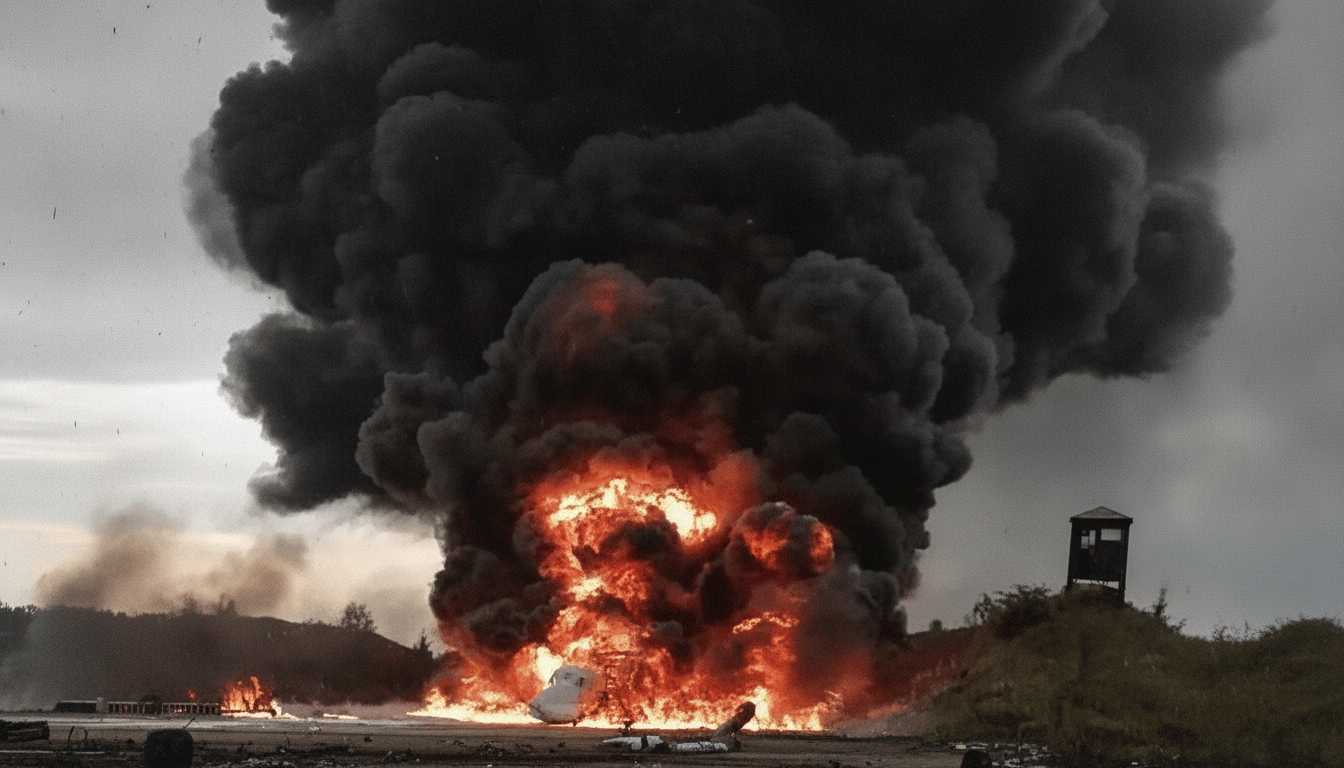
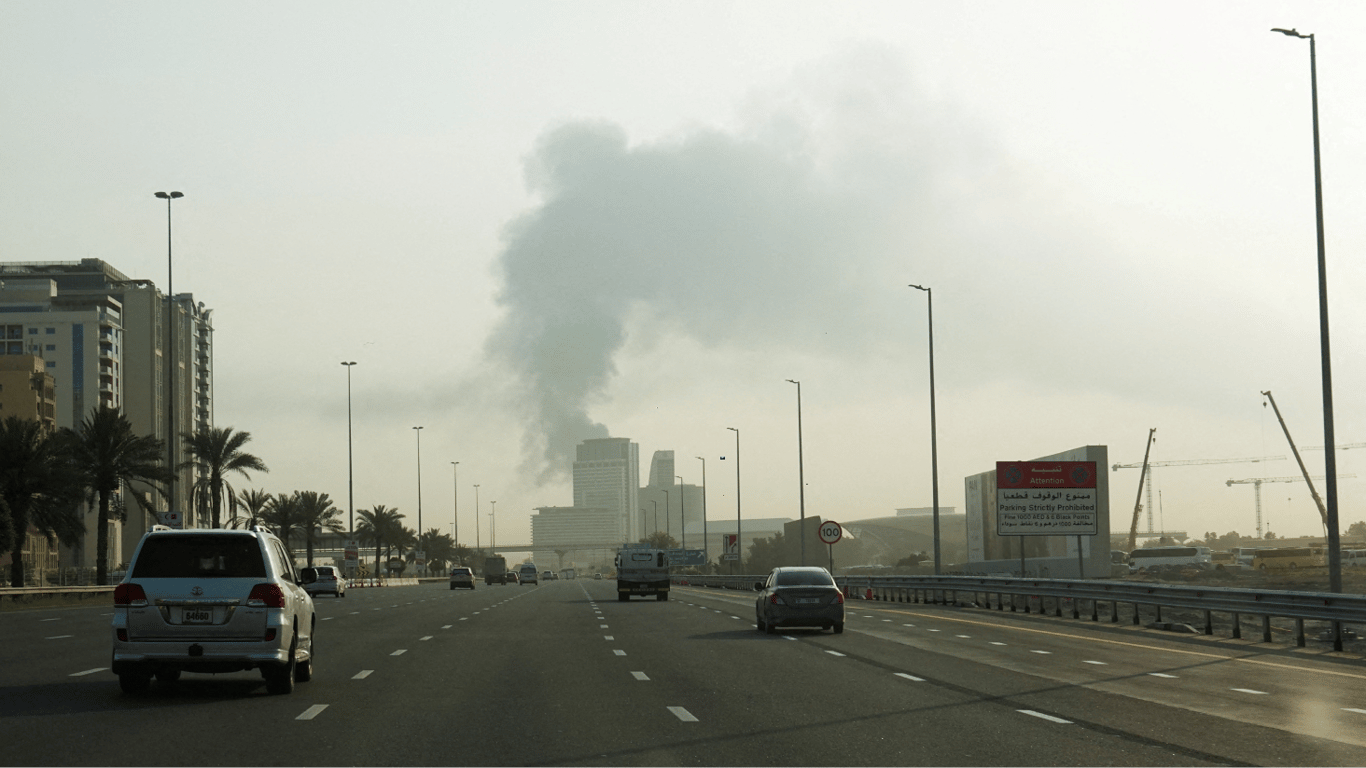
Tensions have escalated sharply after Iran launched massive strikes on Emirati territory. Tehran fired roughly 2,500 missiles and drones at the UAE, with dozens of ballistic and cruise missiles hitting the country on March 31 alone. In response, the UAE is negotiating not only with the United States but also with European and Asian partners. One option under discussion is taking control of Abu Musa Island.
International Reactions and Broader Implications
Saudi Arabia and other regional states appear to favor prolonging the confrontation. U.S. President Donald Trump has stated:
“I intend to end the war against Iran within two to three weeks” – Donald Trump
Trump also said Washington would 'stop hostilities regardless of whether Tehran agrees to a deal.' He expressed a desire to 'seize' Iranian oil and the Kharg Island facility.
As a result, the Persian Gulf remains a tinderbox, and any move by the UAE could significantly alter the trajectory of the conflict with Iran. Analysts note that backing from the international community—especially the United States—may prove decisive for regional stability.
This development highlights the escalating military activity in the Gulf, with potentially severe consequences for global security and the world economy. Should the UAE join a coalition, it could shift the balance of power in the region. The Strait of Hormuz is a critical chokepoint for global oil shipments, making any disruption there a major concern for international markets and stability.
It will also be crucial to monitor Iran’s response to these moves, as it could trigger further escalation of the conflict.
Read also
- America’s 250th Birthday Bash Stumbles: Trump’s Push for a Record Fireworks Show Raises Pollution Concerns
- Shift in Momentum: General Keith Kellogg Says Ukraine Has Gained the Upper Hand for the First Time Since 2023
- America at 250: Trump Sparks Debate on National Identity and Policy
- Trump’s Meeting with Nawrocki Signals U.S. Green Light for Military Presence in Poland
- Trump’s income quadrupled in one year: how his family earned from cryptocurrencies
- Rutte: Europe Is Becoming the Primary Shield Against Russia as US Relations Shift