The occupation of Donbas has led to a water supply crisis: the threat of epidemics is rising.

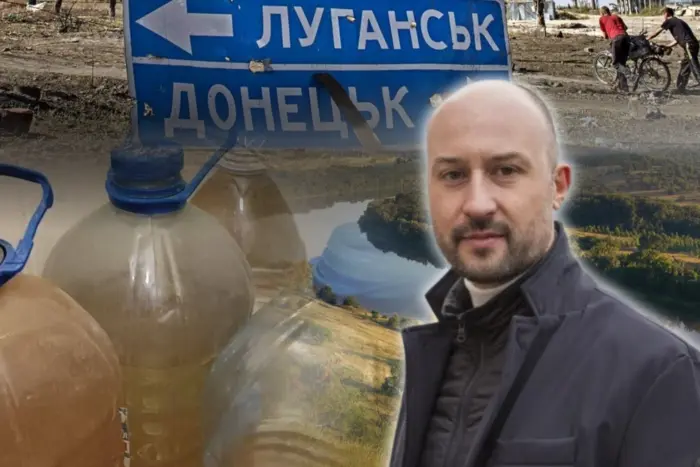
The water supply issue in occupied Donbas
According to inkorr.com: The Vice President of the 'Ukrvodokanalgeologia' association, Andriy Nikitin, emphasized that the statements of the 'DNR' leader regarding the resolution of water supply in the occupied territories are not true. He noted that even if control over the city is restored, the occupiers will not be able to provide stable water supply due to problems with infrastructure and water sources.
'Even if we imagine that the occupiers restore water withdrawal from the river, we should not forget: back in the 60s, the Siversky Donets could not meet Donbas' needs. The capacity of the canal at that time was about 42 cubic meters per second, but the river itself had only 10-12. Thus, the deficit was threefold. The canal operated at a maximum of 35-37 cubic meters, and later its actual supply fell to 24'- noted Andriy Nikitin.
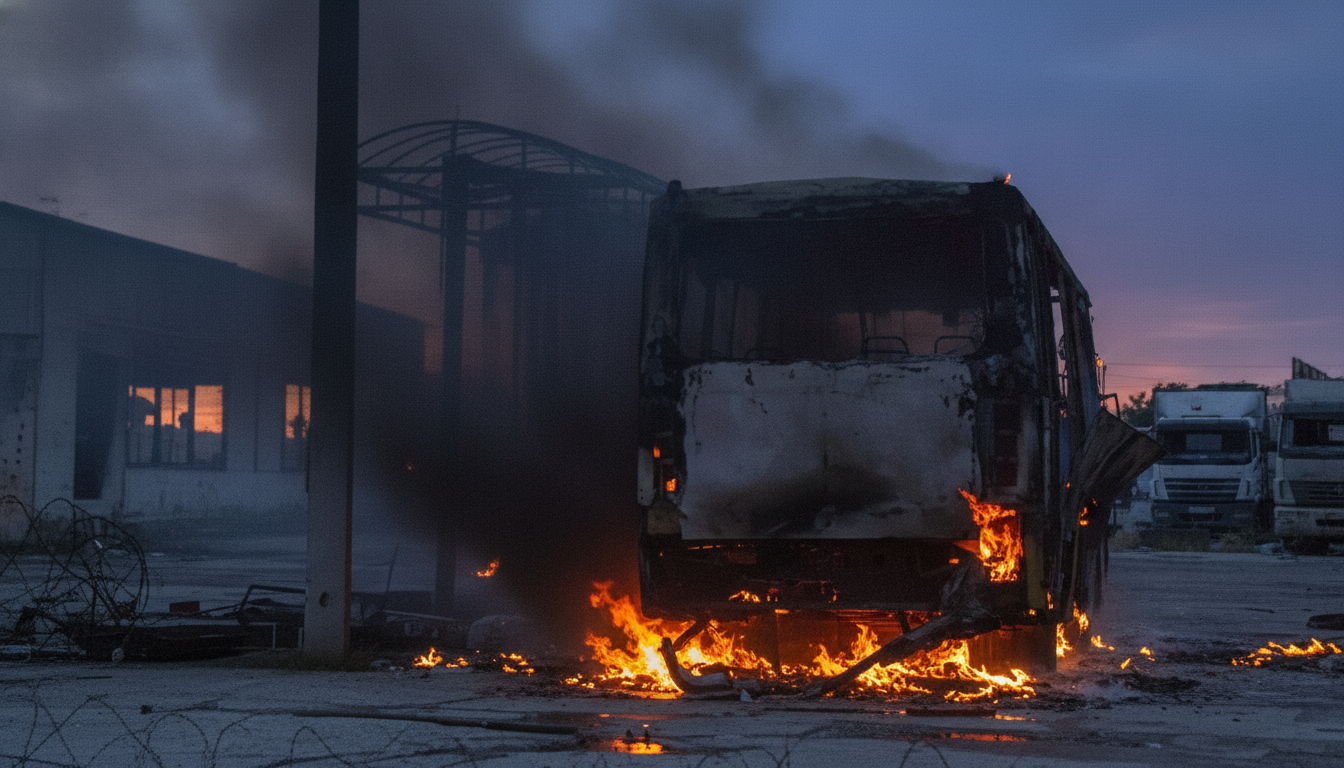
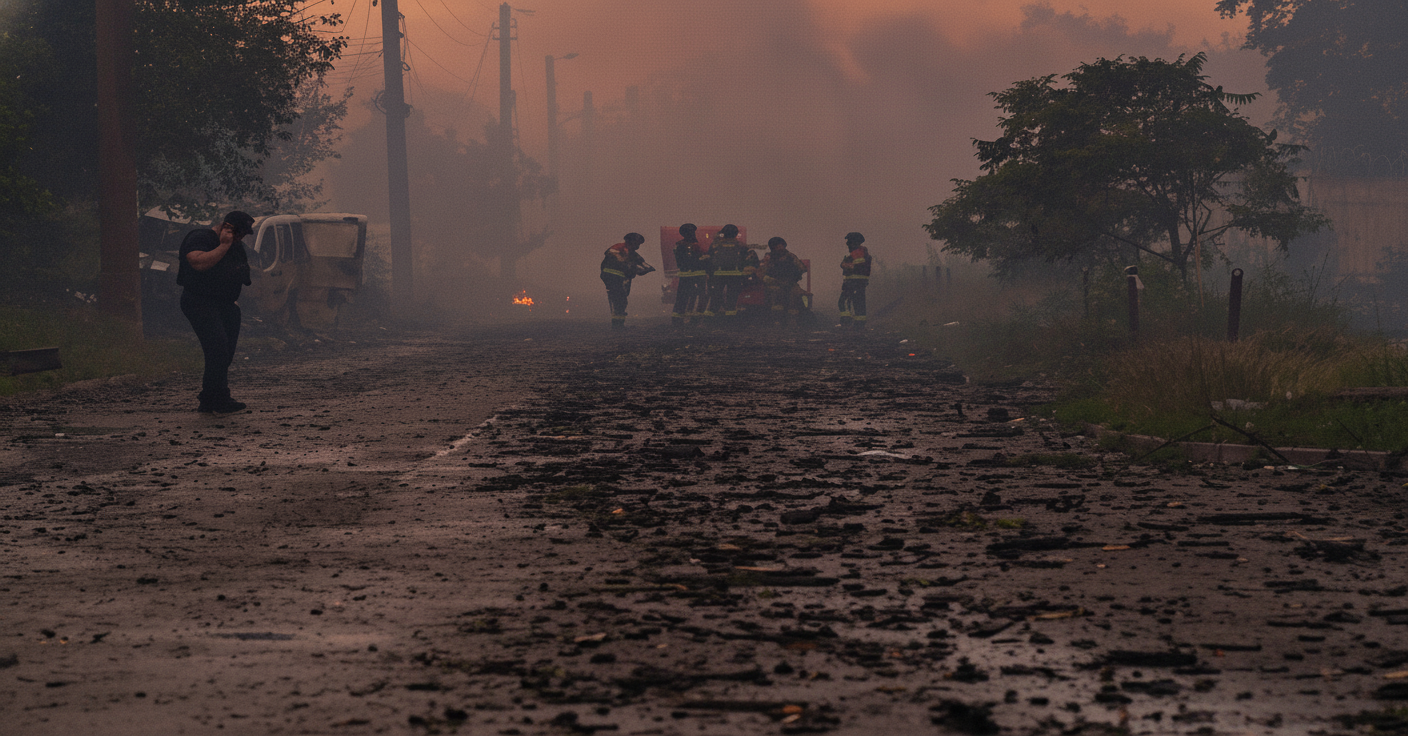
The expert also pointed out that the water supply in the occupied territories is in a critical state, and the chances of avoiding a collapse remain minimal. The main reason for water deficit is the war, as Russian troops regularly shell pumping stations and pipelines, turning water infrastructure into part of the hostilities.
The situation in the cities of Donbas
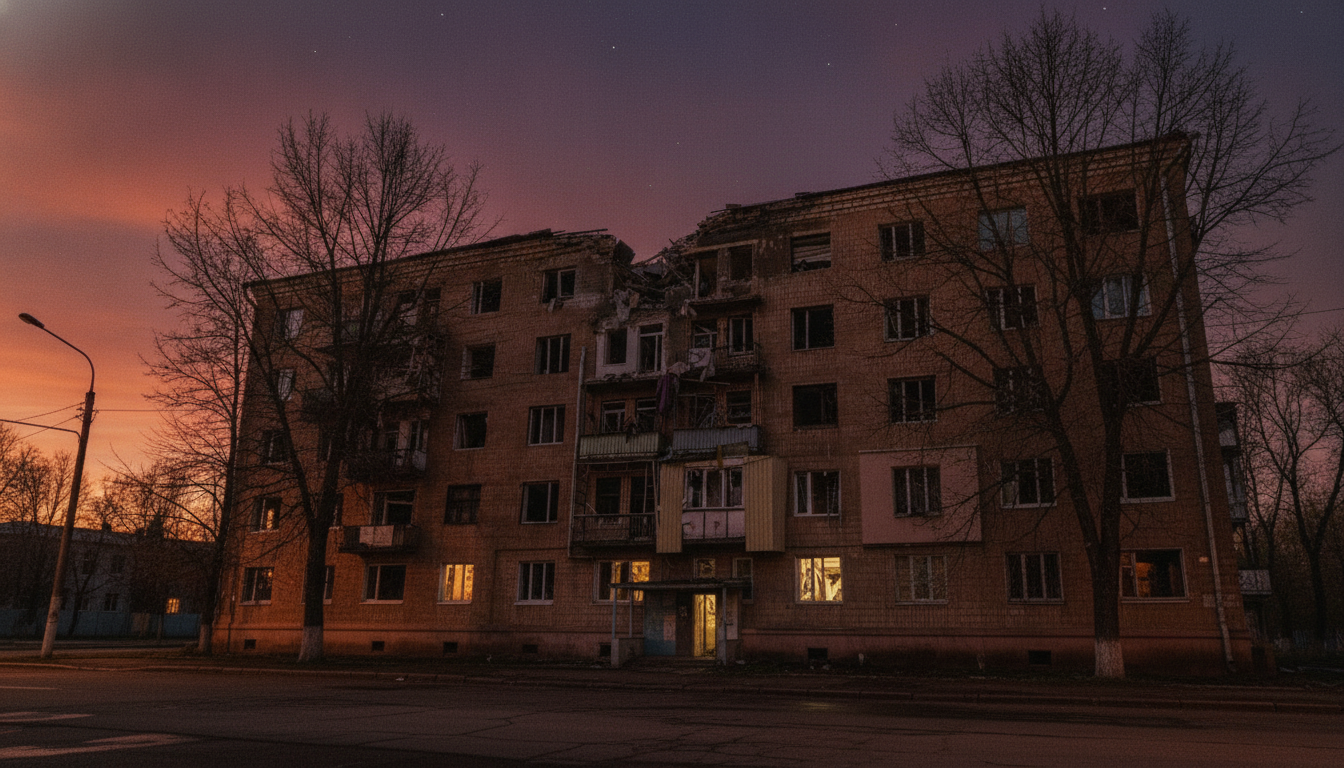
There is especially critical water supply situation in the territories of Makiyivka and Donetsk. The reservoirs have been depleted, main channels are on the front line, causing serious water supply problems and threatening epidemics due to unsanitary conditions. Local residents actively share testimonies about the critical state on social media, which could lead to a humanitarian catastrophe.
As a result of the war in occupied Donbas, the water supply situation is extremely complicated. A critical state of water resources is observed in the cities of Makiyivka and Donetsk, which may lead to serious humanitarian issues due to water shortage and the risk of epidemics due to inadequate sanitary conditions. The war continues to negatively affect the infrastructure and water sources in the region, deepening already complex ecological and humanitarian challenges.
The water supply situation in Donbas is one of the most alarming problems that requires urgent resolution. Neglecting the infrastructure may not only lead to a lack of water but also to dangerous epidemics threatening the local population. The issues of ecological and humanitarian security in the context of war remain a priority for the international community.
Read also
- Russian Drone Strikes Apartment Building in Kharkiv: Two Dead, Over 30 Injured
- SBU Expert Labels Assassination Attempt on Yermolayev a 'Dark TV Series' — What the Investigation Reveals So Far
- Odesa Rocket Attack on July 8: Two Dead, Two Injured in Strike
- Government Allocates Funds for Vyshneve’s Recovery After Missile Strike: Scope of Destruction Revealed
- Drone Strikes Devastate Kherson: Three Dead and Nine Wounded on the Morning of July 8
- Man Barricades Himself Inside Odesa Hair Salon with Customers: Police Negotiate Peaceful Resolution