Russian Forces Seize a Third of Luhansk Farmers' Fuel, Jeopardizing the Planting Season.

Agricultural Sector Plundered in Occupied Territory
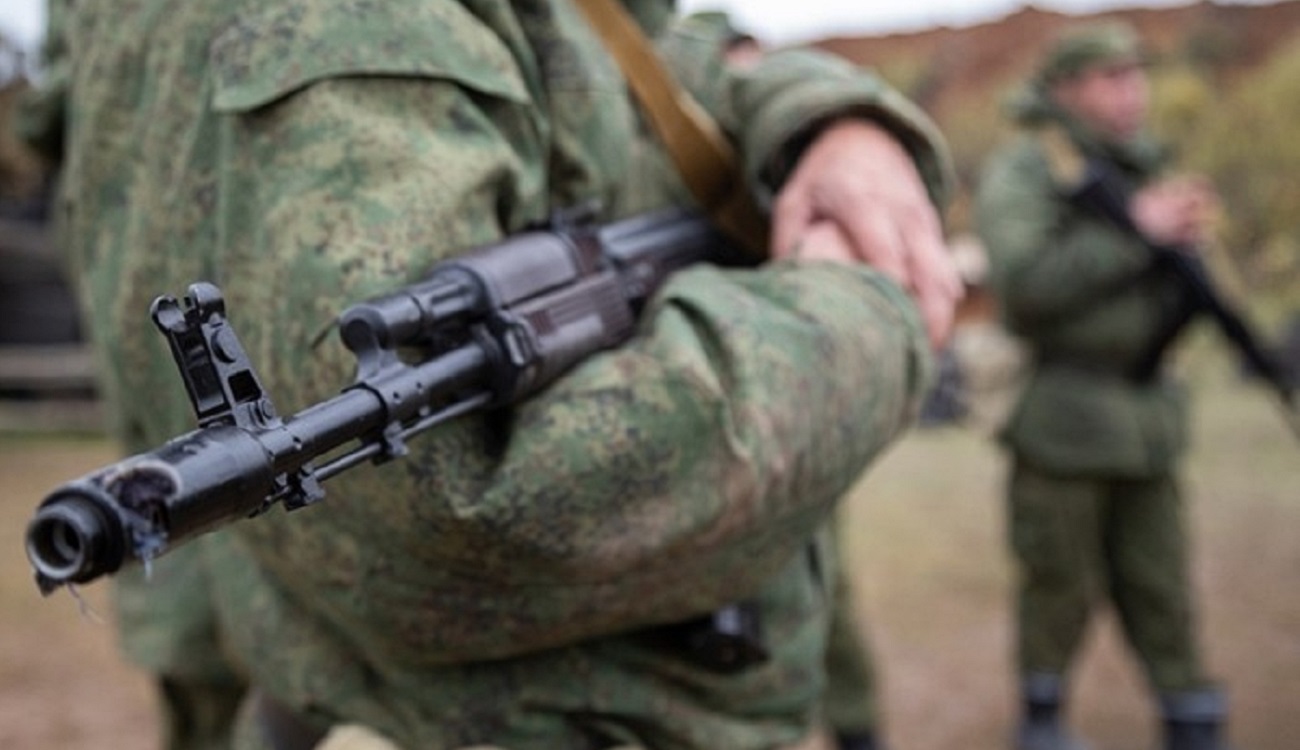
According to UATV: Russian forces occupying parts of Ukraine's Luhansk region have begun looting the agricultural sector, issuing a decree that mandates farmers surrender at least 30% of their diesel fuel reserves to the Russian military. This systematic seizure threatens to cripple the upcoming planting season and the region's food security. By confiscating a third of their fuel, farmers will be unable to operate their machinery, paralyzing their ability to cultivate the land. This action is part of a broader pattern of resource extraction by the occupying forces.
Regional Crisis Deepens
Alexey Kharchenko, head of the Luhansk Regional Military Administration, stated:
“The occupation authorities have issued a decree that effectively dooms the future planting campaign.” - Alexey Kharchenko
This highlights the severe consequences for farmers already struggling under occupation. Compounding the crisis, the region is also witnessing a rise in cancer rates, underscoring a dire and complex humanitarian situation. The agricultural heartland of eastern Ukraine is being systematically stripped of the resources needed for its own survival.
Pavel Lysyansky noted that:
“An environmental and humanitarian catastrophe is ongoing in the occupied part of Donbas.” - Pavel Lysyansky
Amid constant looting and abuses by the occupiers, the region's population faces extreme peril. Some projections suggest the population of the so-called 'DNR' and 'LNR' could die out within 70 years if the current trajectory continues. Thus, the actions of the occupation authorities are undermining not only the agricultural sector but the very prospects for long-term human survival in these territories.
These events in Luhansk Oblast reflect a sharp escalation of the humanitarian crisis in a region where agriculture is a vital economic pillar. Ensuring food security has become critically important given the growing needs of the population and the threats posed by ongoing warfare. The situation underscores an urgent need for sustained international attention and support to restore any semblance of normal life to the region.
Read also
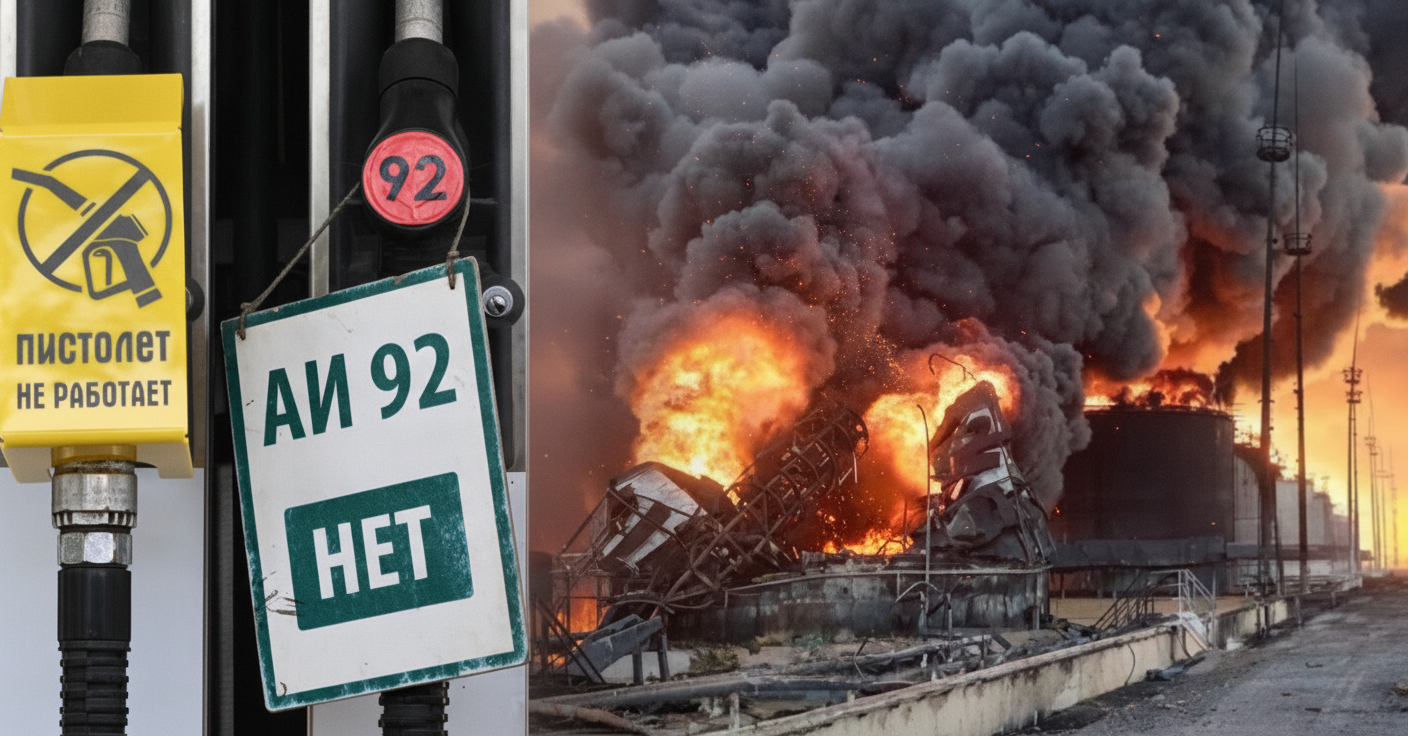
- Fuel Shortage Spreads Across Russia as Moscow Diverts Siberian Gasoline Supplies
- Russia Sells Off Gold at Record Pace: Central Bank Unloads 44 Tons in Six Months
- Russia’s Wheat Exports Set to Hit Lowest Level Since 2017 – Here’s Why
- Wildberries Warehouse Fires Cause 180 Billion Rubles in Damages: Assessing Russia's Losses
- Kazakhstan Oil Exports at Risk as Caspian Pipeline Shuts Down Operations
- Asian gasoline imports mark Russia's fuel crisis spanning 11 time zones