Analyst Predicts a Thirty-Year Systemic Conflict Between the U.S. and China.


The Forecast of Alexey Kushch
According to Novyny.live: Financial analyst Alexey Kushch has forecast a prolonged systemic war between the United States and China, which he expects to last for at least the next three decades. He anticipates that this period will be marked by numerous local conflicts across various global regions, fostering an atmosphere of worldwide instability. Kushch presented this outlook in an interview with Novyny.LIVE, emphasizing that a new global equilibrium may only be achievable after 2050. This perspective highlights a significant shift from the post-Cold War unipolar moment.
The Shifting Balance of Power
According to the expert, the United States no longer possesses the absolute power it held prior to 1991. Meanwhile, China has not yet attained the level of global control once exercised by the Soviet Union. Alexey Kushch noted that the Soviet Union exerted colossal influence over dozens of countries worldwide. Beijing, he stated, is acting more cautiously but is confidently expanding its sphere of influence.
'The United States no longer wields the absolute power it had before 1991.' Alexey Kushch
Kushch also explains why this new confrontation differs from the Cold War and underscores that global conflicts could persist for several more decades. This forecast stresses the critical importance of monitoring shifts in global politics and economics, as the influence of the U.S. and China on the world stage is set to keep growing. For policymakers and investors, this suggests an era of heightened strategic competition and economic uncertainty.
Alexey Kushch's prediction reflects the escalating tension between the world's two largest economies, which is likely to impact international relations and economic structures. Observing the evolution of these conflicts and how nations respond to the changing geopolitical landscape will be key to understanding the future international order. Prolonged instability may pose new challenges for countries striving to maintain peace and stability within their own regions.
Read also
- Massive Overnight Strike: Russia Hits Ukraine with 121 Drones and 6 Iskander Missiles
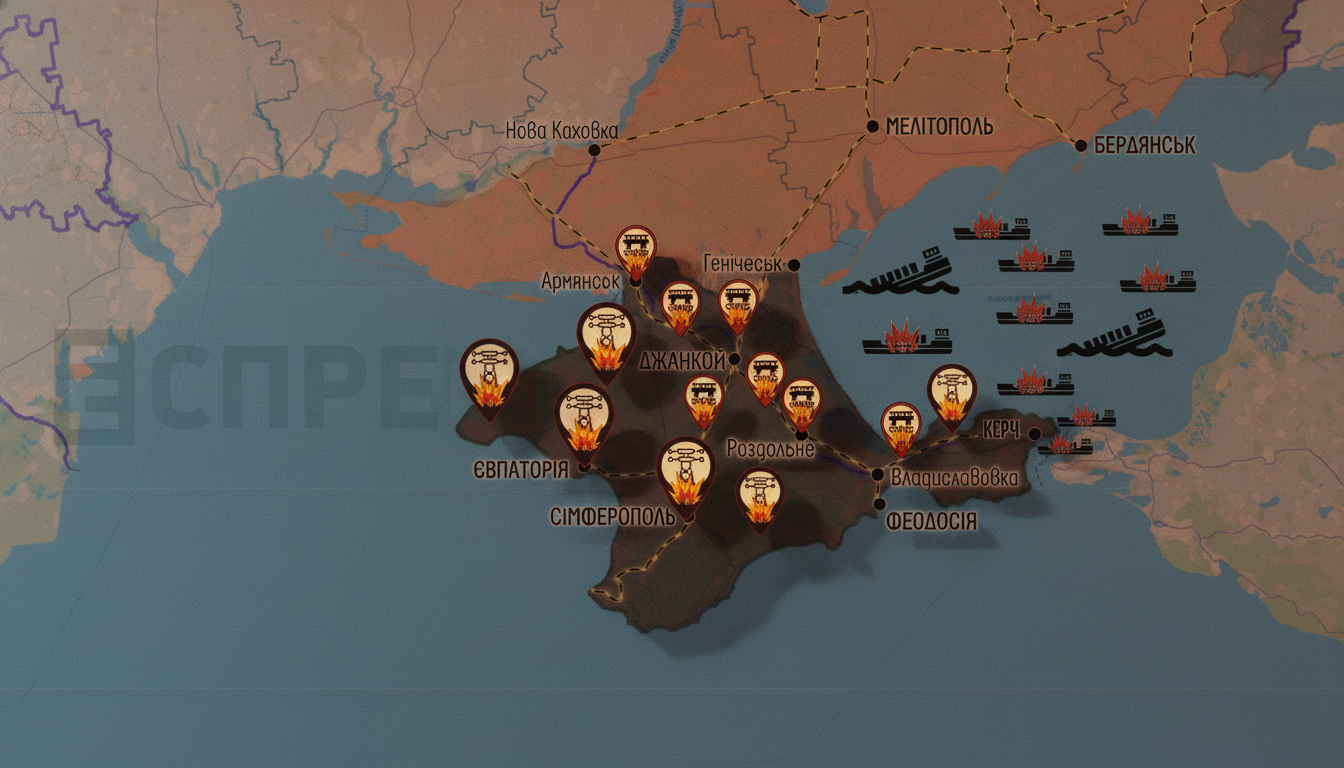
- Russia Shuts Down Azov Sea After Drone Strikes on 13 Vessels, Including 10 Oil Tankers
- Nearly 1,500 Russian Troops Eliminated in a Single Day: Ukraine’s Defense Forces Update Enemy Losses
- Over 42% of Russia's Oil Refining Halted by Ukrainian Forces: New Strikes Hit Omsk Refinery
- Ukraine's Drone Forces Destroy 13 Russian Vessels Near Crimea: Operation Details
- Ukrainian FPV Drones Destroy Riverboats, Leaving Russian Troops on Dnipro Islands in a Semi-Blockade