Orban Personally Led a Raid on Oschadbank Armored Vehicles: What We Know.

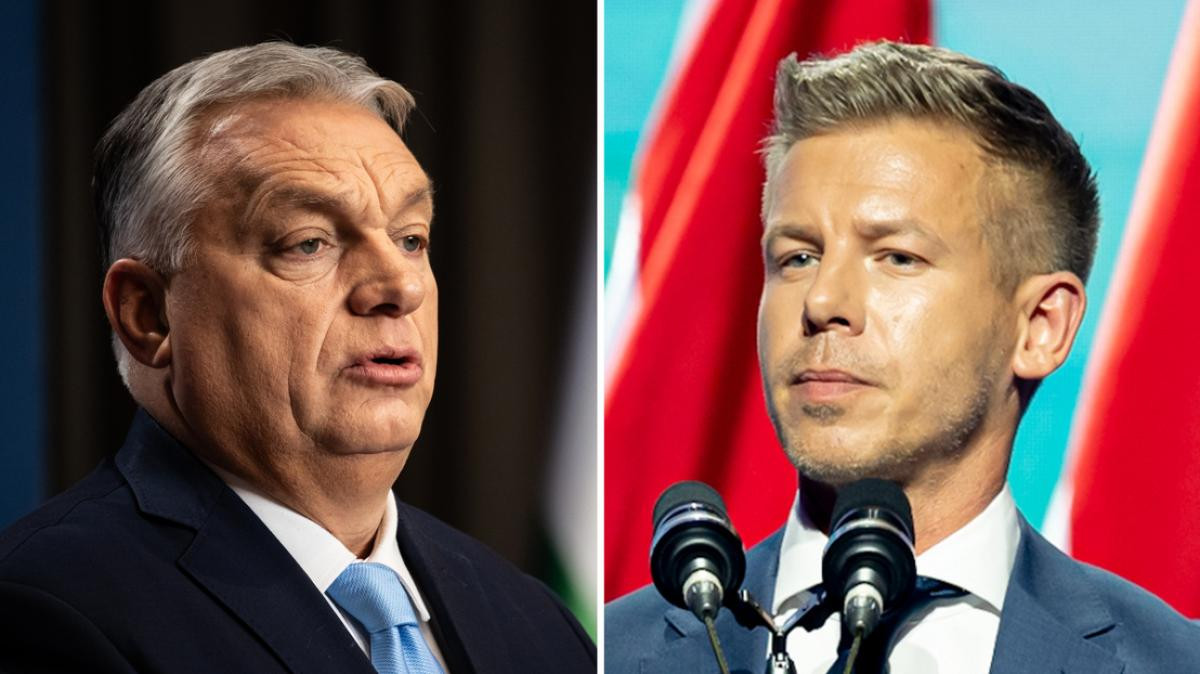
Incident in Hungary
According to Espreso.tv: On March 5, 2026, a highly unusual operation unfolded in Hungary, with Prime Minister Viktor Orban taking direct command. The raid targeted two armored vehicles belonging to Oschadbank, which were transporting a substantial cache of cash and valuables. Inside the convoy, authorities seized:
- $40 million
- €35 million
- 9 kilograms of gold
In response, Oschadbank initiated legal proceedings to recover the confiscated assets.
Aftermath and Escalation
The following day, March 6, 2026, Ukraine secured the release of seven Oschadbank employees who had been detained during the operation. Later, on March 12, Hungary returned the seized armored vehicles to Ukraine—but without the cash or gold. A key twist emerged on April 8, 2026, when Oschadbank accused Hungary’s National Tax and Customs Administration of tampering with video evidence related to the incident.
The situation took further turns: on May 6, 2026, Hungary finally returned the confiscated funds and gold to Ukraine. The case concluded on May 18, 2026, when Hungarian authorities reversed the legal decision against the seven Oschadbank couriers. Commenting on the affair, Viktor Orban stated:
“He must take responsibility!”
These events highlight the fraught nature of financial and security ties between Ukraine and Hungary. For context, this incident occurred amid broader tensions between the two nations over issues ranging from minority rights to energy policy, making the raid a flashpoint in an already strained relationship.
Beyond the immediate diplomatic fallout, the episode underscores the critical need for international cooperation in safeguarding cross-border financial operations. It also sparked debate on how to protect business interests and state assets in a volatile geopolitical environment. Rebuilding trust after such an incident will likely test the resilience of bilateral relations, which depend heavily on stability and mutual confidence.
Read also
- Hungary Moves to Cap Lawmaker Terms: Madjar Pushes 17th Constitutional Amendment
- Hungary Blocks Ukraine’s EU Accession Again—Key Milestone Delayed
- Hungary Opposes Fast-Track EU Membership for Ukraine: Key Details Emerge
- Orban Warns EU Against Rushing Ukraine Talks — Here’s What’s Wrong With the Negotiation Clusters
- EU Greenlights Accession Talks with Ukraine After Hungary's New Prime Minister Drops Veto
- Despite Election Defeat, Orban Retains Fidesz Leadership: Party Congress Decision