Ukraine Phases Out Paper Hryvnia Notes for Transit Payments.

Ukraine Implements Changes to Banknote Usage
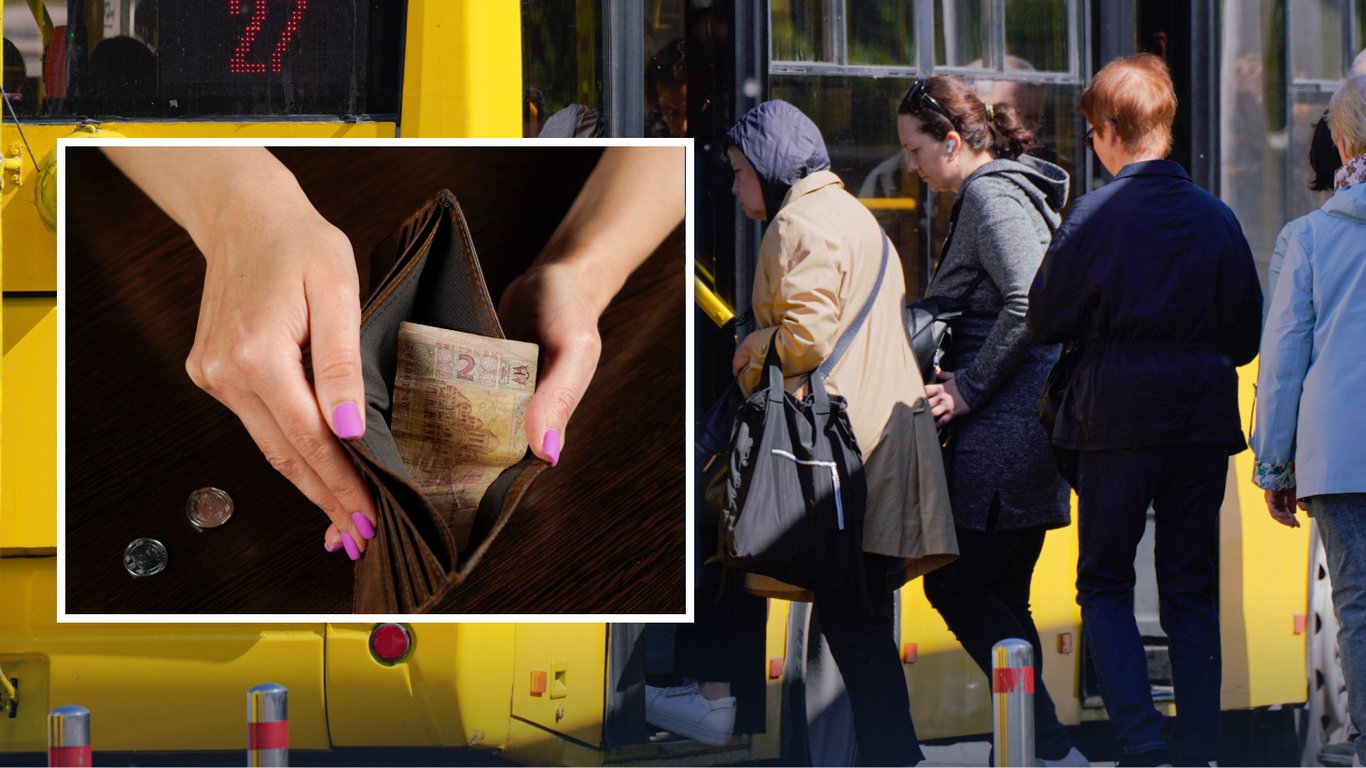
According to Novyny.live: Ukraine has officially withdrawn specific paper banknotes from circulation, rendering them invalid for paying fares on public transport. This policy affects the 1, 2, 5, and 10 hryvnia notes. All of these are older-design banknotes issued before 2007 and are no longer legal tender for everyday transactions. This move is part of a broader, ongoing effort to modernize the nation's currency.
Which Banknotes Remain Valid for Use?
The removal of the smallest denominations raises questions about cash-based payments for certain groups, such as the elderly or those without access to digital banking. It is crucial to note that the exchange of old notes for new ones will continue until February 26, 2027, allowing citizens time to convert their outdated currency. As of March 2026, the following banknotes remain legal tender:
- 20 hryvnias
- 50 hryvnias
- 100 hryvnias
- 200 hryvnias
- 500 hryvnias
- 1000 hryvnias
Consequently, passengers must use these newer banknotes or other approved modern payment methods, such as contactless cards or digital wallets, when paying for transport.
What should you do with old banknotes? Citizens are strongly advised to exchange their old notes for the current versions before the deadline. This will prevent inconveniences during transit payments and ensure seamless travel. Delaying the exchange is not recommended, as the notes will become completely worthless after the final date.
In light of these changes, all public transport users should take note of the acceptable banknote denominations to guarantee uninterrupted fare payment. Adhering to the new rules is essential to avoid misunderstandings and complications while using public transportation.
These adjustments to banknote usage reflect Ukraine's broader financial system modernization, aimed at enhancing the efficiency and security of transactions. The new transit payment rules underscore the importance of shifting toward cashless payment forms, which can simplify the public transport experience. Residents are urged to be mindful of the exchange deadline to prevent potential disruptions in their daily routines.
Read also
- Russia Sets Record in Gold Sell-Off: What It Signals for the Economy
- Putin’s Economic Claims Exposed as Manipulation by Ukraine’s Disinformation Center
- Rheinmetall to Double Gunpowder Output: What This Means for Ukraine
- Azerbaijan Steps Up as Europe's Energy Alternative: Gas Deliveries to Germany Already Underway
- IMF Demands Utility Rate Hikes as Naftogaz Debt Surges 63%
- 12 Red Flags for Shell Companies Identified by Ukraine's Central Bank: Banks Ordered to Scrutinize Importers