Paris Declaration on Peace for Ukraine: Why the USA Did Not Sign the Document.

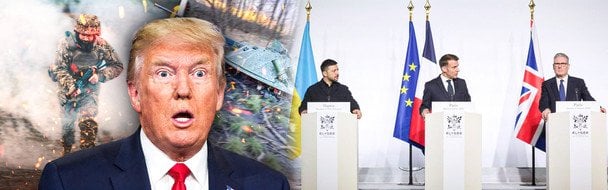
According to ТСН: Officially, the 'coalition of willing' was formed in March 2025 when the Trump administration announced that the support for Ukraine and the issues of post-conflict settlement would fall on Europe's shoulders. The USA, in turn, focused on negotiations with Russia regarding the terms for ending the war. Since November 2025, Trump has actively promoted a 'peace' plan that initially resembled Russian demands on Ukraine.
During this time, the Ukrainian side, together with European partners, significantly improved the text of the document, reducing the number of points from 28 to 20. Volodymyr Zelensky stated that the plan is 90% ready, and the security guarantees from the USA, which are to be ratified by Congress, are ensured 100%. European countries are also ready to provide their security guarantees in the form of military aid. However, the meeting of the 'coalition of willing' in Paris on January 6 sparked more questions than answers, creating an atmosphere of disappointment.
As a result of the meeting, the countries involved in the 'coalition of willing', along with Ukraine, signed a joint Paris Declaration regarding 'reliable security guarantees for a strong and lasting peace in Ukraine'. Negotiations between the Ukrainian and American delegations on territories and ZNPP continued on January 7. However, the main question remains unanswered: will Russia agree to the reached agreements?
Guarantees (In)security: The USA Did Not Sign the Declaration
The meeting of the 'coalition of willing' on January 6 in Paris gathered 27 out of 35 participating countries and was supposed to continue the previous agreements reached during the visit of the Ukrainian delegation to Trump. However, even the activity of the USA with military operations in Venezuela could not overshadow this meeting, where American representatives participated for the first time.
At a press conference, British Prime Minister Keir Starmer noted that we are closer to peace, but the hardest part is yet to come. Jared Kushner, Trump's son-in-law, emphasized the progress made, however, this does not mean an automatic end to the war. He also assured that the issues regarding security guarantees between Ukraine and the USA have been resolved.
As reported by Reuters, during the meeting in Paris, the USA for the first time expressed support for the 'coalition of willing', promising to provide security guarantees in case of a renewed Russian attack. However, according to Politico, the USA refused to sign the Paris Declaration, which, according to the Office of the President of Ukraine, does not mention USA commitments similar to NATO Article 5 on collective defense.
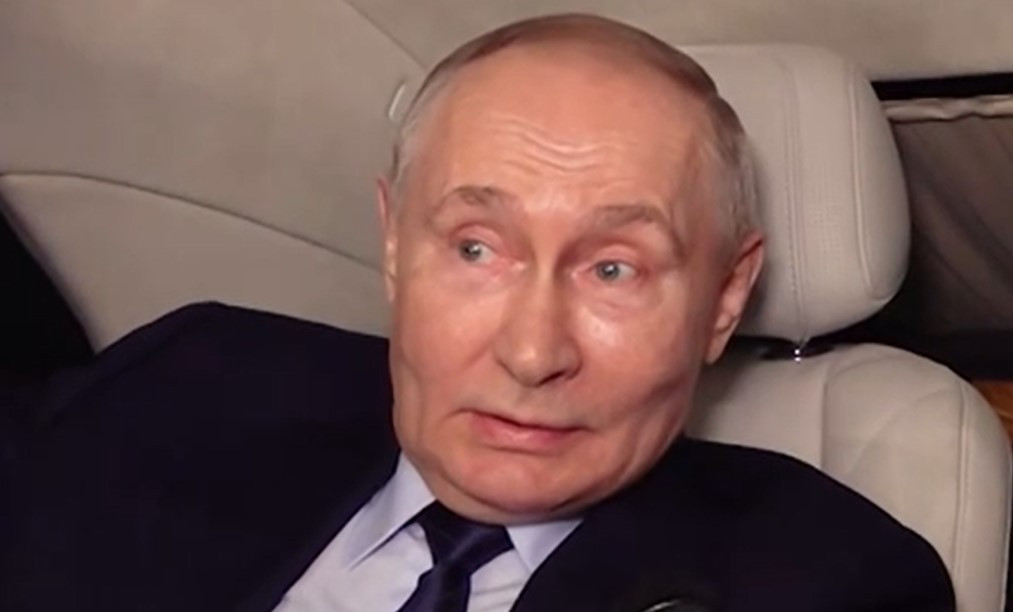
The Paris Declaration particularly emphasizes participation in the monitoring and verification mechanism of the ceasefire created by the Special Commission with the participation of the member countries of the 'coalition of willing', which will consider possible violations. However, the main question remains unresolved in the document and statements of the leaders: how to make Russia agree to a ceasefire? Judging by Putin's statements, Moscow has no intention of doing this.
Coalition (Un)willing: Russia Still Has a Veto Right
Point 3 of the Paris Declaration talks about the 'contribution' of the USA in forming multinational forces for Ukraine, which are supposed to support the restoration of the Armed Forces of Ukraine and ensure the containment of Russia. Emmanuel Macron previously stated about the readiness of 26 countries to provide troops to guarantee security. However, specific details of the American support were not clarified in the declaration.
Instead, in Paris, Zelensky, Starmer, and Macron signed a separate declaration of intent to deploy British and French troops in Ukraine. The document provides for the creation of military hubs for storing weapons and military equipment. Macron stated that several thousand French soldiers will be deployed in Ukraine after the ceasefire. Starmer also emphasized that the issue of British military participation still needs to be approved by parliament.
France and Britain are the only countries that publicly confirmed their readiness to send their troops to Ukraine after peace is established. Meanwhile, German Chancellor Friedrich Merz noted that the country is ready to consider participation in monitoring compliance with the ceasefire regime.
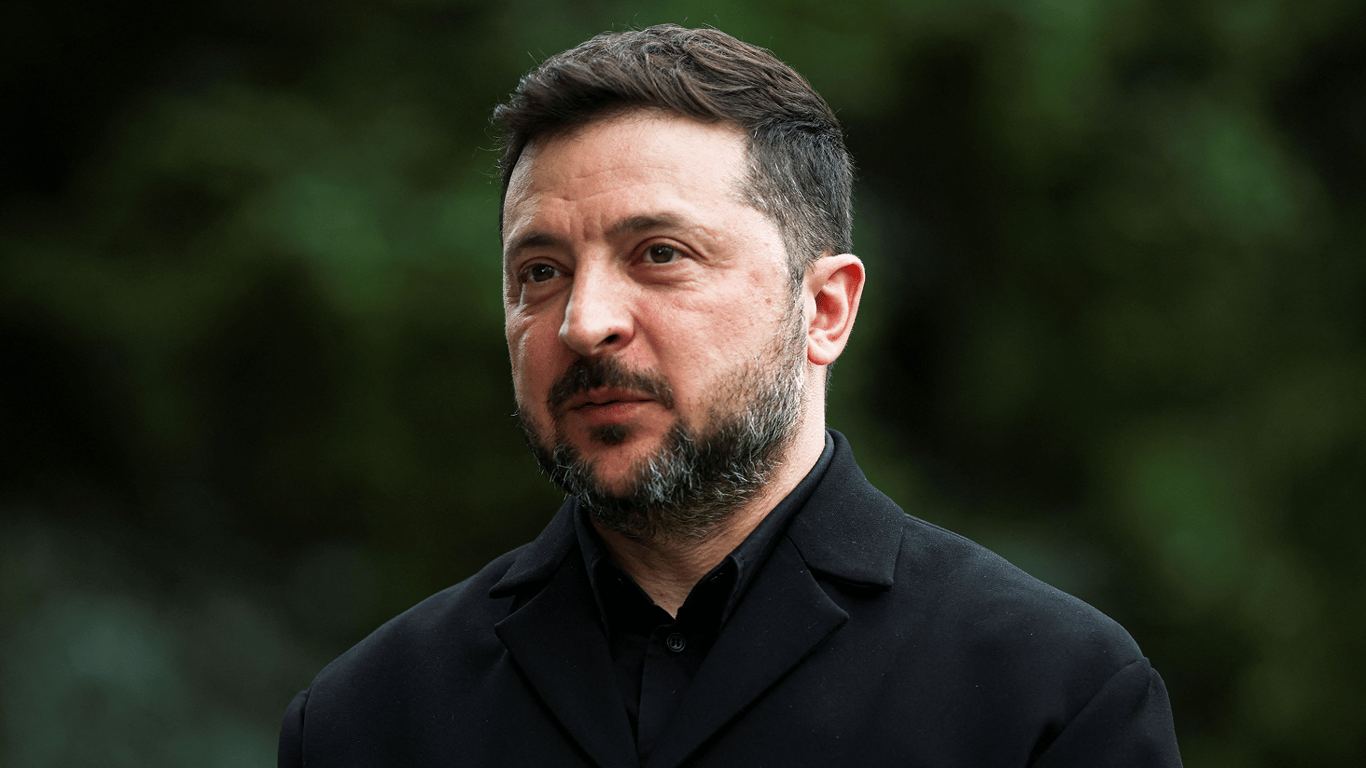
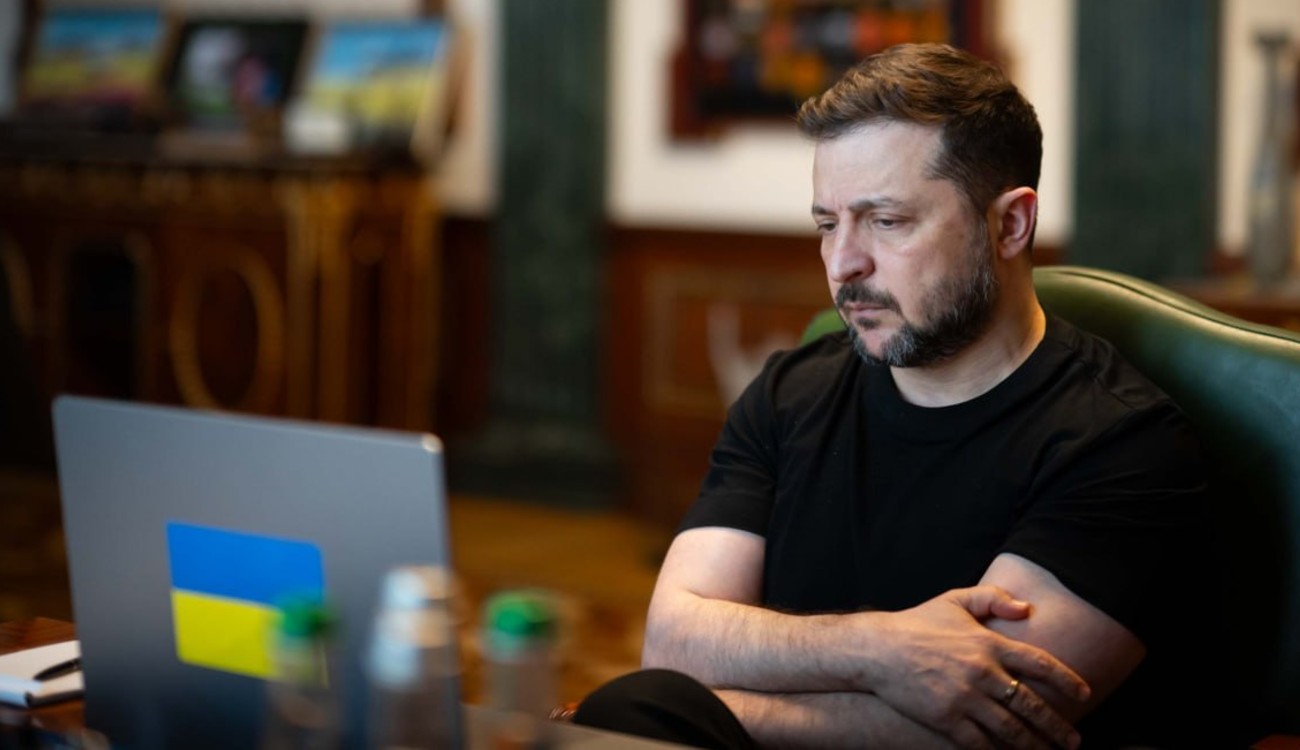
At the same time, discussing security guarantees for Ukraine, Volodymyr Zelensky noted that he has not yet received a clear response from partners regarding this issue, emphasizing that Trump has currently taken a pause in providing Ukraine with long-term security guarantees.
The Ukrainian and American delegations continue consultations, discussing issues of territories and ZNPP, but the details remain unknown. Meanwhile, European countries in the framework of the 'coalition of willing' are discussing what will happen after the ceasefire, but a clear strategy for achieving this is currently lacking.
Read also
- Putin Makes First Regional Trip in Seven Months Following Ukrainian Strikes
- Zelenskyy to Attend Ramstein Meeting on June 18: Key Topics on the Agenda
- After the G7 Summit, Zelenskyy Held Talks with Trump and Macron – Here’s What the Leaders Agreed On
- NATO Chief Rutte Sets Timeline as US and Allies Ramp Up Arms Purchases for Ukraine
- Strengthening Ukraine's Air Defense: Zelenskyy and NATO Chief Rutte Hold Talks in Brussels
- NATO Pledges New Commitments: Ukraine Strengthens Defense at Brussels Summit