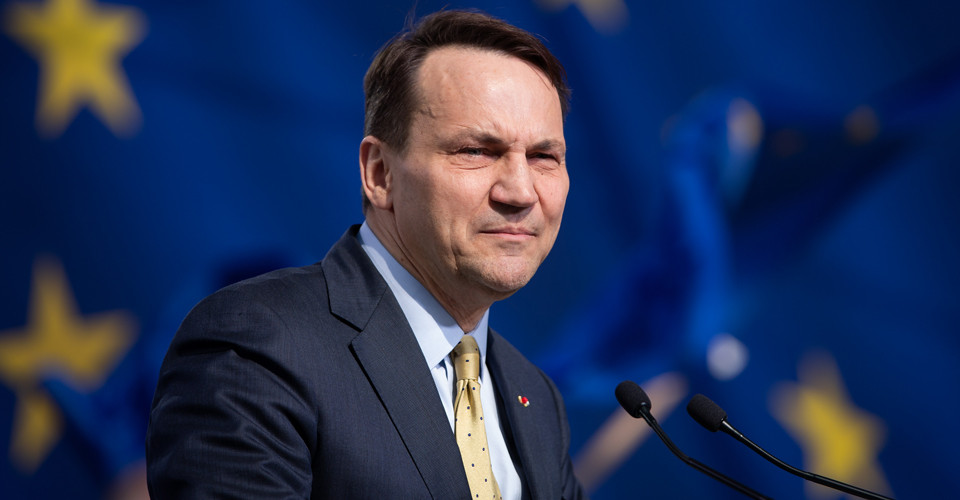
Pashynskyi Alleges Physical Abuse of Deputy Director at 'Ukrainian Armored Vehicle' Firm Tied to Fabricated Case.

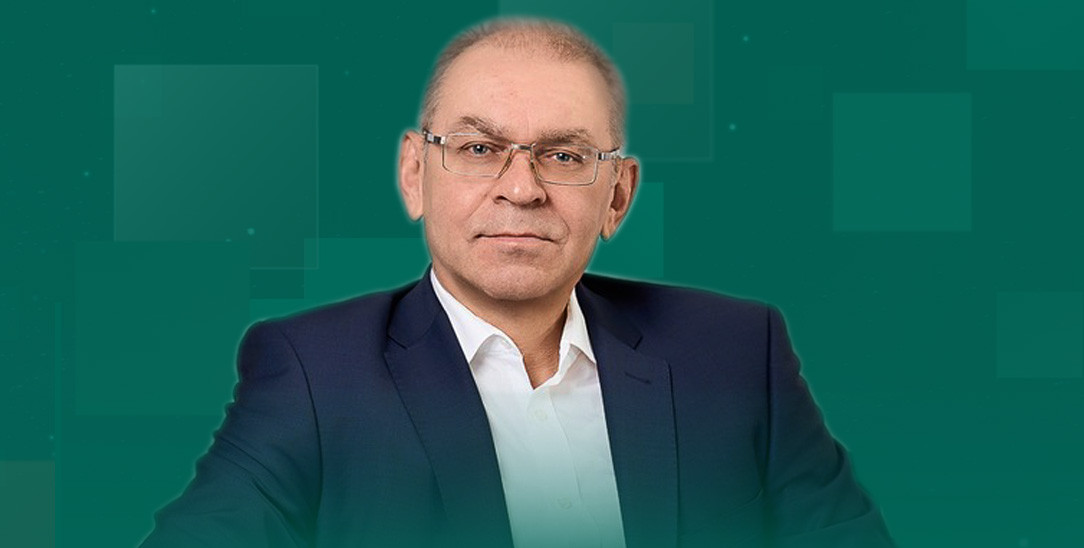
Serhiy Pashynskyi Appeals to State Authorities
According to Espreso.tv: Serhiy Pashynskyi has appealed to state authorities over reported physical violence against the deputy director of 'Ukrainian Armored Vehicle' (Ukrainska Bronetekhnika). The incident allegedly occurred in connection with a fabricated criminal case involving substandard ammunition. These developments unfold against the backdrop of a five-year war against Russian aggression, which has claimed many Ukrainian lives. Pashynskyi stresses the need to investigate the situation, which he says has triggered repressive actions against defense companies, particularly in Lviv.
Issues with Substandard Ammunition
The controversy arose when the state customer failed to file a formal complaint about defective ammunition, leading to serious repercussions for the company. Pashynskyi noted that the contract with a Czech manufacturer accounted for only 0.2% of 'Ukrainian Armored Vehicle's total output. In this context, he called on Ukraine's Prosecutor General, Ruslan Kravchenko, to
“objectively examine the grounds on which this fake criminal case was opened.”
Serhiy Pashynskyi, a Ukrainian politician and statesman, has served as a people's deputy of Ukraine for four convocations and chaired the Verkhovna Rada Committee on National Security and Defense. He also held the position of acting head of the Presidential Administration of Ukraine from March 5 to June 10, 2014. Pashynskyi emphasized that
“a necessary condition for victory is the consolidation of the front and the rear,”highlighting the importance of unity and support amid wartime challenges.
This situation underscores the complexity and tension faced by defense companies in Ukraine, especially during an ongoing war. The interaction between state bodies and the private defense sector can have significant implications for national security, as well as for the morale of both military personnel and civilians. An investigation into these events could shape future relations between the state and defense enterprises, and influence trust in the system supplying the army with quality equipment and ammunition.
Read also
- Ukraine’s Bohdan Howitzer Reshapes the Battlefield: 70% of Kyiv’s Long-Range Artillery
- Hypersonic Glider with 2,000+ km Range: Ukrainian Armor and MBDA Join Forces
- Defense Sector Corruption Exposed: Journalist Reveals Schemes Tied to Fire Point
- Lviv bids farewell to Andriy Parubiy: what is known about the suspect and his connections to the Russian Federation