Why the US and Iran Are Negotiating: A Shared Interest in Preventing a New Nuclear Power.

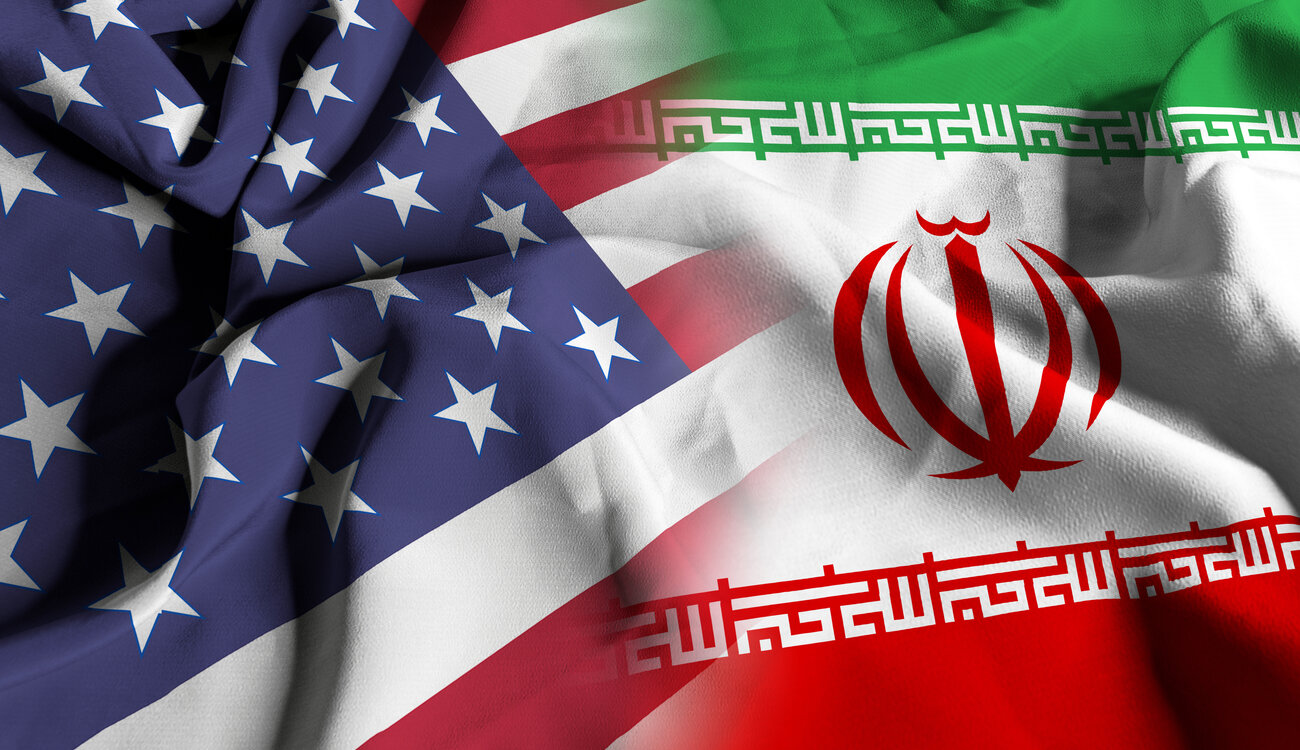
US-Iran Talks and Their Significance for Global Security
According to UATV: While the ongoing negotiations between the United States and Iran are crucial for international security, their impact is largely indirect. Analyst Vyacheslav Likhachev points out that no nation has an interest in seeing the emergence of another nuclear-armed state. Iran's potential acquisition of nuclear weapons is a source of serious concern for the US, Israel, European nations, and even Russia. In this context, it is important to note that Russia has a vested interest in preserving its own exclusive nuclear status.
A History of Negotiations
The issue has a long history on the world stage, as evidenced by discussions between Vladimir Putin and US President George W. Bush in 2003 concerning Iran's nuclear program. Former US President Donald Trump later initiated a countdown for Iran, declaring that the fate of the nuclear deal would become clear within 10 days. Commenting on these events, Vyacheslav Likhachev stated that
“Trump’s threats are a form of political and diplomatic pressure.”
Despite diplomatic efforts, Likhachev emphasizes that
“there is no trust between the parties. This is one of the fundamental problems in the negotiations.”This mutual distrust significantly complicates the process of reaching any substantive agreement. Given the current global political tensions, it is critical to understand that no global power is eager for another nuclear-armed republic to appear on the world map.
Therefore, while the US-Iran talks remain a key element for maintaining international security, their success hinges entirely on the ability of both sides to overcome the existing barriers of deep-seated mistrust. The Iranian nuclear issue has been a persistent flashpoint for decades, testing the limits of diplomacy and non-proliferation efforts.
Considering the prolonged history of tension surrounding Iran's nuclear ambitions, it is imperative for all involved parties to focus on finding pathways to improve cooperation and reduce conflict. In the face of modern geopolitical challenges, a successful outcome from these negotiations could mark a significant step toward greater regional and global stability. However, the persistent lack of trust remains a substantial obstacle, and achieving progress will require sustained and constructive effort from both sides.
Read also
- Fuel Shortages and Rising Prices Drive Russians to Buy Foreign Currency in Droves
- CIA Director: Russian Soldiers Survive Only 30 Minutes on the Frontline
- Capital Flight from Russia: Why Billionaires Are Moving Assets Abroad
- Turkey Emerges as Potential Venue for Zelenskyy-Putin Talks as Ukraine Signals Readiness for Ceasefire
- Trump to Receive Late Senator Graham’s Bill on Russian Oil Tariffs
- U.S. Senators Draft 65-Page Sanctions Bill: Tariffs Up to 100% Target Key Russian Energy Buyers