Groundbreaking Surgery: UCSD Performs First-Ever Humanoid Robot-Assisted Operation.

Humanoid Robots Enter the Operating Room
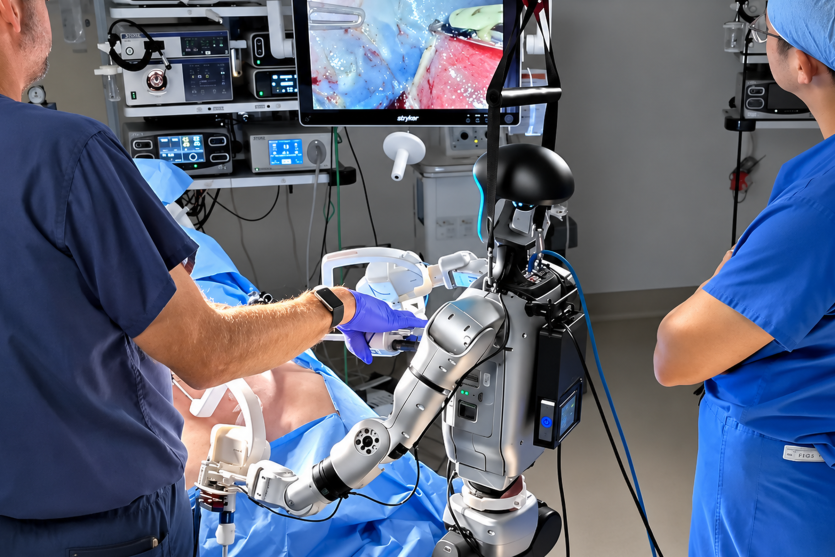
According to ITC.ua — Техно: Surgeons at the University of California, San Diego, have achieved a medical milestone by performing the world's first live surgical procedures with the help of a humanoid robot. During these innovative operations, a cholecystectomy—removal of the gallbladder—was carried out jointly by a human surgeon and the humanoid robot. This breakthrough resulted from close collaboration between engineers and pioneering surgeons, highlighting how advanced technology can address critical clinical challenges.
Why Humanoid Systems Could Transform Medicine
The humanoid system used in the procedures, named Surgie, stands 1.5 meters tall and weighs just 27 kilograms—a fraction of the size and weight of conventional robotic systems, which can tip the scales at around 800 kilograms. Dr. Shanglei Liu noted that this new system
“costs only a fraction of traditional systems and takes up just a fraction of the space in the operating room.”Although the surgeries took longer than usual due to the need for repeated recalibration, researchers believe that human-robot collaboration could lay the groundwork for the operating room of the future.
Meanwhile, a Morgan Stanley report projects that by 2030, China will manufacture 446,000 humanoid units annually. The market share of full-sized humanoids is expected to rise from 30% in 2026 to 70% in 2028. These trends reflect growing interest in technologies that could help alleviate staffing shortages in surgical teams. As Dr. Michael Yip put it:
“Many communities face a shortage of personnel in surgical teams, leaving patients without the care they need.”
In summary, these advances in surgical technology open new frontiers for medical practice, with the potential to reduce the burden on healthcare workers and improve patient outcomes. Integrating humanoid robots into surgical procedures could be a pivotal step in overcoming current challenges in the medical field—especially amid a global shortage of healthcare professionals. It may also accelerate the development of robotics and automation in medicine, creating fresh opportunities for research and the implementation of innovative treatment solutions.
Read also
- The Ukrainian Roots of the Internet’s Creator: How a Son of Emigrants from Kremenchuk Sent History’s First Message
- Ukraine to Receive 100,000 Shrike Drones Under €90 Million Deal
- AI-Powered German Vector Drone Now Used in Military Drills: Capabilities and Features
- Why Ukraine Cannot Reproduce the Patriot System: An Expert Names the Key Hurdles
- Moscow’s Propaganda Falsely Claims Destruction of Ukrainian Robot Units: The Truth Behind the Orikhiv Battle
- Russia Unveils New 'Saturn' Drones: Key Specs and Frontline Combat Update