The Fall of Plasma TVs: Why a Technology Known for Deep Blacks Vanished.

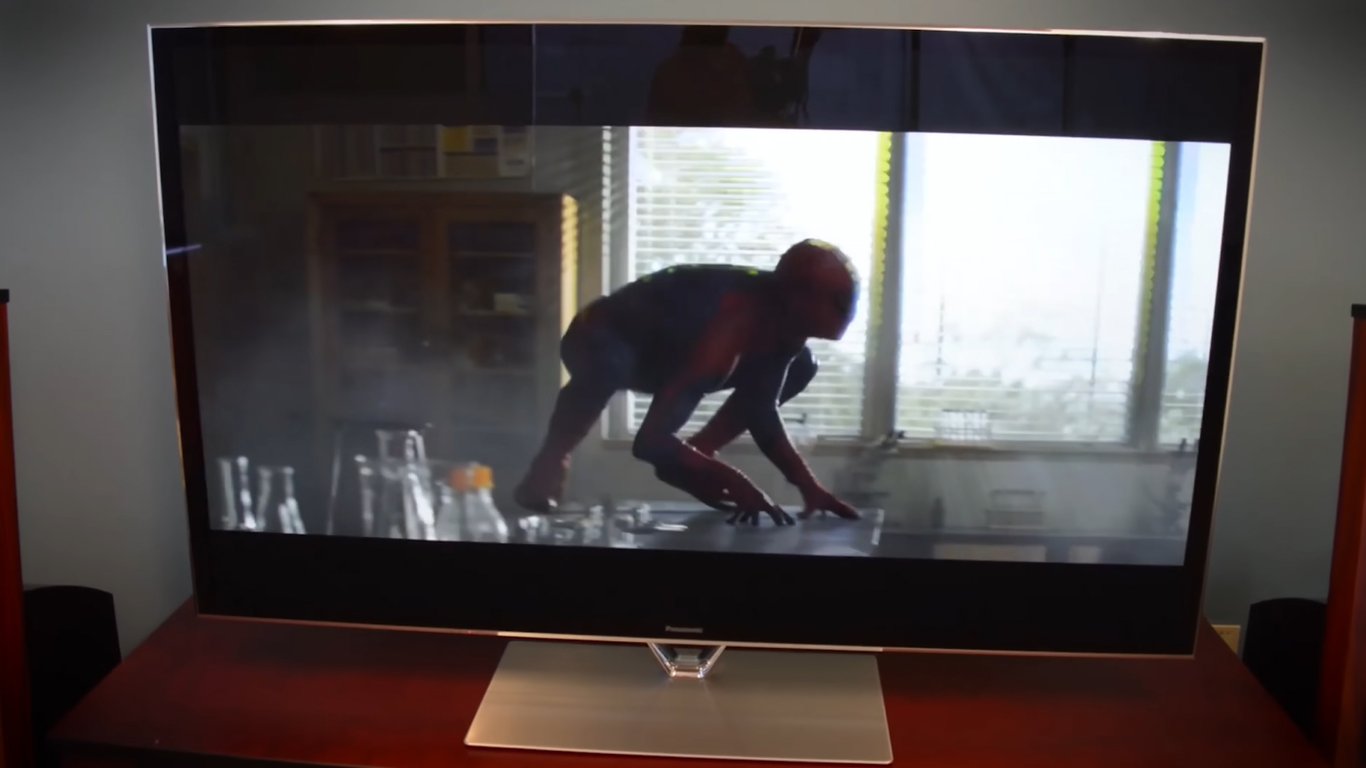
The Demise of Plasma TV Technology
According to Novyny.live: Once considered the benchmark for picture quality, plasma televisions were renowned for their deep black levels and exceptional contrast. This technology utilized microscopic cells filled with gases like xenon or neon to produce stunning color reproduction. For a time in the early 2000s, they were the top choice for home theater enthusiasts seeking the best cinematic experience. However, despite these clear advantages, plasma TVs eventually vanished from the market, leaving many owners with a sense of nostalgia.
Key Factors Behind Their Disappearance
The decline of plasma TVs was driven by several significant drawbacks. A major flaw was the susceptibility to screen burn-in, a permanent degradation of image quality caused by displaying static content for too long. Furthermore, plasma panels were notoriously heavy, bulky, and power-hungry, making them less economical and less convenient than emerging alternatives. High manufacturing costs also presented a serious barrier to their long-term viability.
These factors ultimately led to plasma displays being displaced by LED-backlit LCD TVs. The newer models proved to be lighter, thinner, and far more energy-efficient, which greatly appealed to the average consumer. While plasma sets delivered impressive picture quality, they could not compete with technologies that better met the modern market's demands for efficiency and sleek design. Today, the mention of plasma TVs evokes nostalgia, as the technology left a distinct mark on the history of home entertainment.
The abandonment of plasma technology highlights the relentless evolution of consumer electronics, where energy efficiency, form factor, and user convenience are increasingly prized. With the shift to LED and now OLED displays, manufacturers focus on creating devices that meet both aesthetic desires and environmental standards. Thus, while plasma TVs are firmly in the past, their influence on shaping modern expectations for image quality remains a crucial chapter in the story of television innovation.
Read also
- Google to Build America's Largest Solar Farm: 2.5 GW Facility to Power Data Centers
- Turn Your Old Phone Into a Smart Display: Inside the New ScreenWall Web Platform
- Speed Record Set by Bombardier Global 8000: Los Angeles to Farnborough in Just 8 Hours 46 Minutes
- A New Augmented Reality Platform Lets You Read and Build 3D Comics
- How Artificial Intelligence Is Unlocking Billions in Real Estate Value
- Ukraine’s Air Defense Gets a Boost: New 'Hot Dog' Drone Takes Down Over 300 Targets