Property Tax 2026 in Ukraine: Up to 25,000 Hryvnia for Owners of Oversized Homes.

New Property Tax Rules Taking Effect in Ukraine in 2026
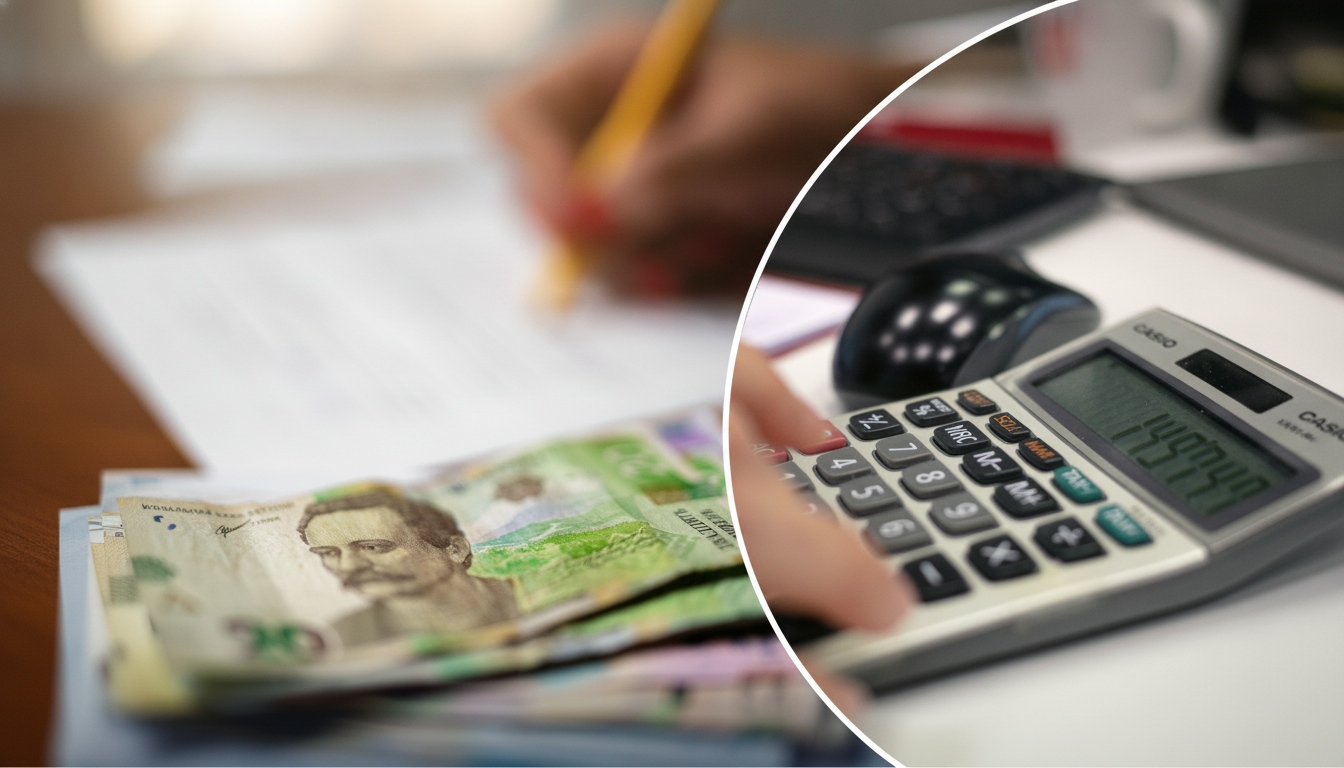
According to Novyny.live: Starting in 2026, Ukraine will implement a revised property tax targeting homeowners whose living spaces exceed specific size thresholds. Under the updated regulations, the tax applies to apartments larger than 60 square meters and private houses exceeding 120 square meters. For individuals owning both an apartment and a house, a combined exemption limit of 180 square meters of total floor area has been established.
The maximum tax rate for 2026 is set at 120 hryvnia per each 'excess' square meter. Additionally, owners of apartments over 300 square meters and houses larger than 500 square meters will face a separate fixed annual payment of 25,000 hryvnia. Tax authorities are required to send notifications about this new levy by July 1, 2026, and property owners will have 60 days from receipt of such notice to settle the tax due.
Penalties for Late Tax Payments
It is important to note that late payments will incur penalties. A delay of up to 30 days results in a fine of 5% of the debt amount, while a delay exceeding one month triggers a 10% penalty. Interest charges will only begin accruing after 90 days from the payment deadline. This new measure could significantly impact owners of large apartments and houses, as well as the broader real estate market in Ukraine.
- Tax-free allowance for apartments: up to 60 square meters.
- Tax-free allowance for private houses: up to 120 square meters.
- Additional fixed tax for apartments over 300 square meters: 25,000 hryvnia per year.
- Additional fixed tax for houses over 500 square meters: 25,000 hryvnia per year.
Homeowners who fail to meet their obligations should prepare for financial consequences, including fines for delayed payments.
The introduction of this new property tax in Ukraine reflects the government's efforts to boost state budget revenues and regulate the real estate market.
These changes are expected to cause shifts in the residential property segment and may encourage owners to optimize their assets. The reform is likely to spark debate among the public and experts, as many homeowners could feel financial pressure from the increased tax burden. Monitoring public reaction will be a key aspect of the implementation of this tax law.
Read also
- New Government Center to Manage Employee Reservations: Salary Thresholds Set at Critical Levels
- Russia’s 2026 Budget Deficit Could Hit a Record 4.83 Trillion Rubles
- Nearly 50 Million UAH Allocated for a New Kyiv Heating Plan: What’s Changing
- Shipowners Are Increasingly Avoiding Ukrainian Ports: Here’s What’s Driving the Crisis
- Greek Company Blocks New EU Sanctions on Russia: Inside the LNG Business Ties
- Drone Attack Halts Operations at Russia's Salavat Petrochemical Plant: Repair Timeline Revealed