The 1.0 TSI Engine's Hidden Flaws: Critical Risks Emerge After 80,000 Kilometers.

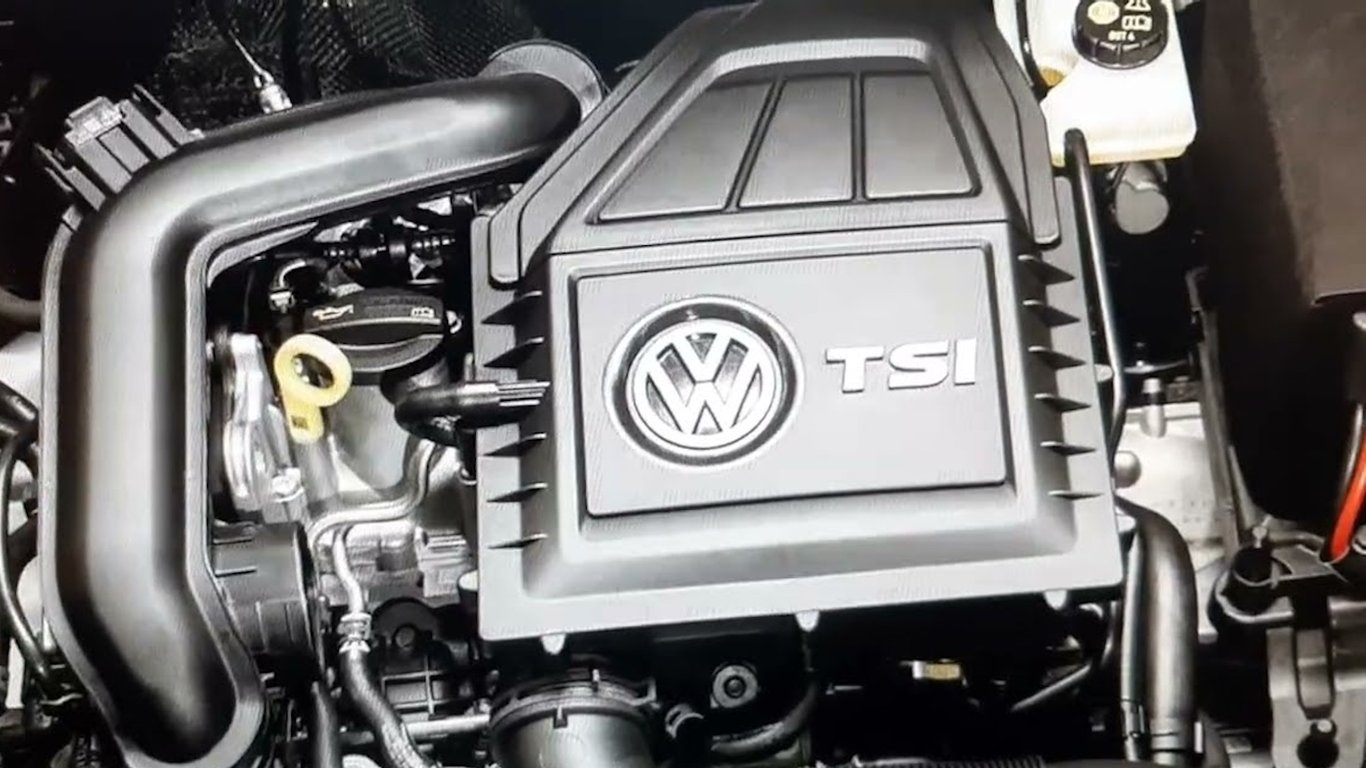
Issues Plaguing the EA211 1.0 TSI Engine Series
According to Novyny.live: Widely used in Volkswagen, Skoda, Seat, and Audi models, the EA211 series 1.0 TSI engine is prone to significant problems that can lead to premature failure. According to expert Iwona Kornatko, the small turbocharger can begin to cause issues at around 80,000 kilometers, raising serious concerns for owners who may face substantial repair bills if preventative steps are not taken. This three-cylinder engine is a cornerstone of many compact and subcompact models in these brands' lineups.
Known issues tend to manifest after the 80,000 km mark, jeopardizing the long-term durability of vehicles equipped with this power unit. A specific danger involves particles from degraded rubber components clogging the oil pump, which can lead to catastrophic engine seizure after approximately 100,000 km. Replacing the original cooling module and belt assembly carries a cost of around $300, a significant financial burden for many car owners.
Guidance for Vehicle Owners
Further complicating reliability is the engine's direct fuel injection system, which operates at a high pressure of 120–250 bar. Iwona Kornatko warns that
“blindly following the manufacturer's maintenance schedule can have fatal consequences for this engine.”Owners are advised to service the timing belt every 180,000 to 200,000 kilometers or every 5–6 years. Notably, newer revisions of this belt run in an oil bath, a design change that may help mitigate some risks.
Consequently, while popular for its efficiency, the EA211 1.0 TSI engine harbors several design vulnerabilities that can result in major mechanical failures. It is crucial for owners to be aware of these risks and undertake timely maintenance to prevent adverse outcomes.
This scenario underscores the importance of rigorous vehicle servicing and a critical approach to manufacturer guidelines. Owners of cars with the 1.0 TSI should be prepared for potential repair costs and maintain their vehicles diligently to avoid serious future breakdowns. Given the engine's widespread use, there is a clear expectation for automakers to address these flaws in future iterations of the design.
Read also
- Google to Build America's Largest Solar Farm: 2.5 GW Facility to Power Data Centers
- Turn Your Old Phone Into a Smart Display: Inside the New ScreenWall Web Platform
- Speed Record Set by Bombardier Global 8000: Los Angeles to Farnborough in Just 8 Hours 46 Minutes
- A New Augmented Reality Platform Lets You Read and Build 3D Comics
- How Artificial Intelligence Is Unlocking Billions in Real Estate Value
- Ukraine’s Air Defense Gets a Boost: New 'Hot Dog' Drone Takes Down Over 300 Targets