Ukrainian Minds Under Siege: Coping with Stress After Five Years of War.

How War is Taking a Toll on Ukrainians' Mental Health
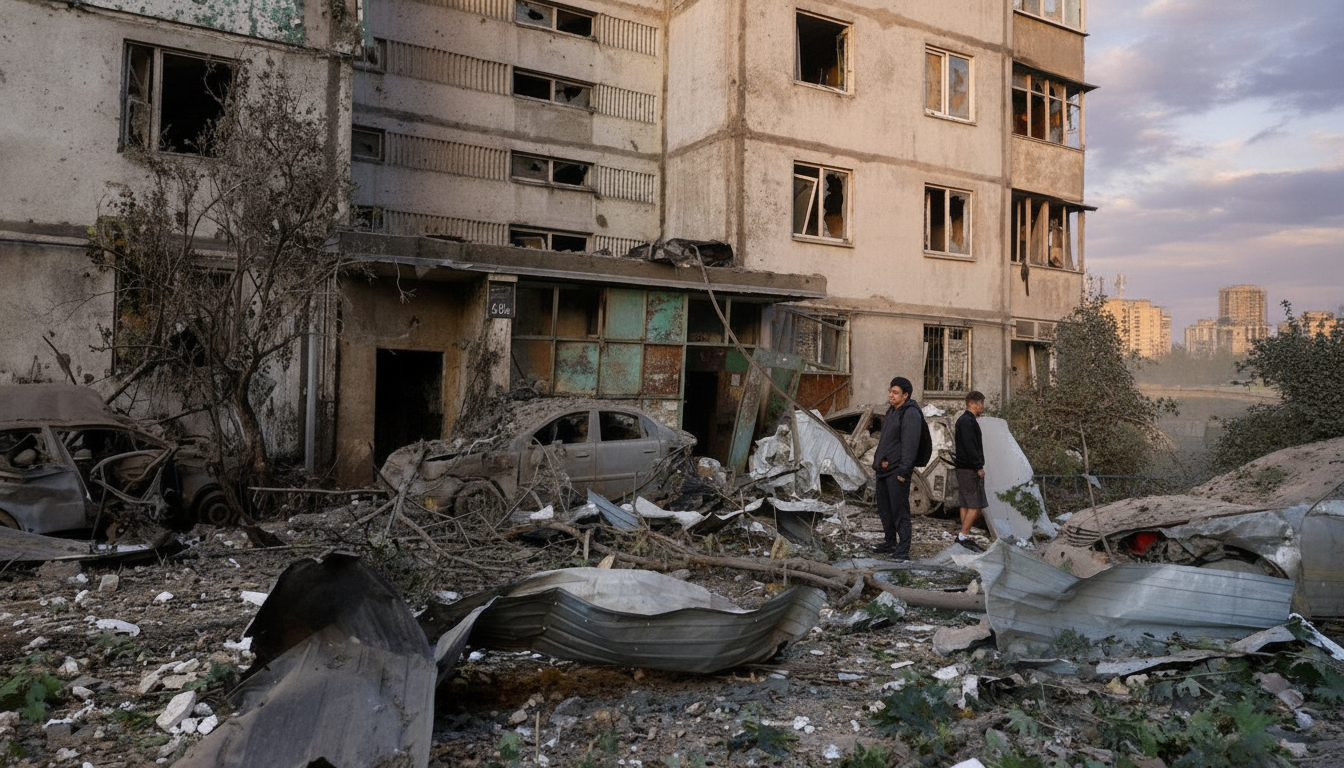
According to Novyny.live: The full-scale war has now been raging for five years, and its impact on the psychological well-being of Ukrainians remains a serious challenge. Just in the past week, the capital endured two massive shelling attacks, causing stress levels to spike across the population. Prolonged exposure to such stress can lead to chronic fatigue and emotional overload, which in turn harms people's overall health. Russian missiles and drones continue to kill civilians daily, creating an atmosphere of constant threat.
What to Do in a Critical Situation
In moments like these, following a clear set of steps is crucial. The air raid alarm triggers a specific protocol:
- stand up;
- get ready;
- go to a shelter.
These simple actions can help reduce panic and guide people in a crisis. However, even after physical safety is restored, emotional tension often lingers. Survivor's guilt is a classic wartime phenomenon, and many people are grappling with it.
To support mental recovery, various practices are suggested. One is a breathing exercise: inhale for 3 seconds, then exhale for 6 seconds. This technique helps calm the nervous system and lower anxiety levels. Another useful method is mindfulness, which focuses attention on physical sensations in the body, allowing people to shift away from negative thoughts.
Olena Bortnikova, a mental health expert, noted: 'You can shake your limbs—your arms and legs.'
This simple movement can help release accumulated stress. At the same time, she emphasized that 'full recovery is not to be expected at this time,' highlighting how long and complex the healing process is.
In short, war not only causes physical destruction but also deeply affects the mental health of Ukrainians. Finding ways to restore and maintain psychological balance under constant stress is essential.
This situation underscores the critical need for mental health support during wartime, as stress and anxiety can have long-term consequences for both individuals and society as a whole. It is vital that government agencies and civil society organizations develop programs to help people cope with the emotional fallout of the conflict, while also raising awareness about self-help techniques and psychological support resources. Only through such efforts can society more effectively recover and adapt to the new realities.
Read also
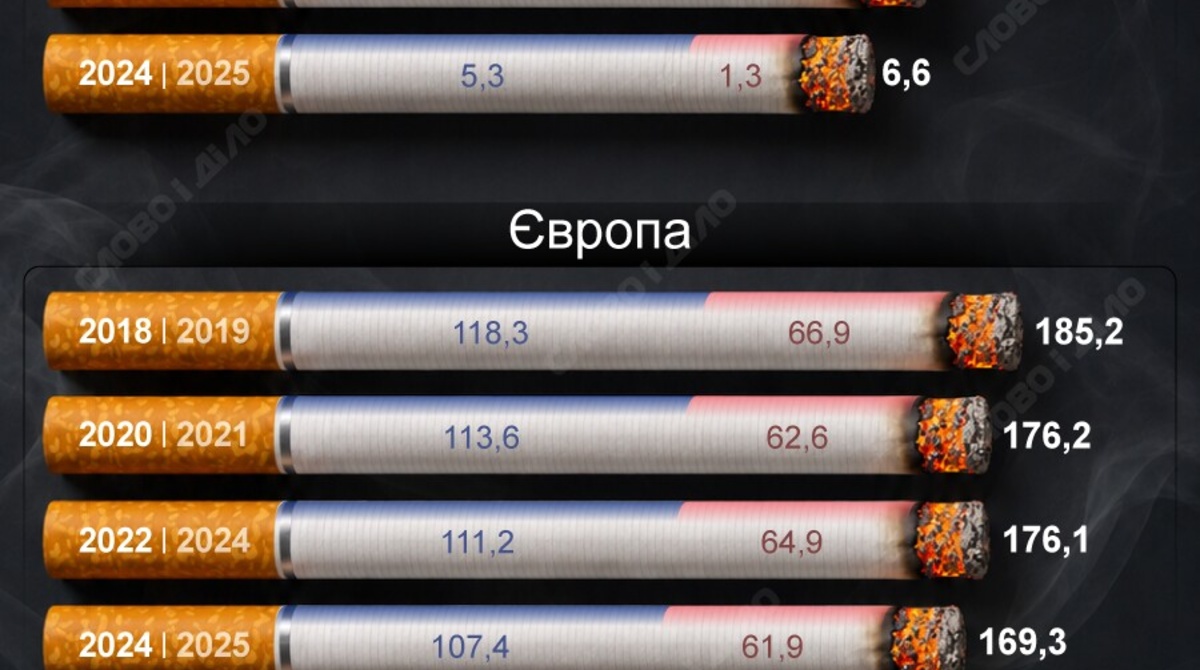
- Ukraine's Smoking Population Drops Sharply: From 8.5 Million to 6.6 Million in Six Years
- Swimming Banned at Lake in Lviv Region After Infection Outbreak Hospitalizes 20 Children
- Mykolaiv Region Faces 20% Doctor Shortage: Officials Offer State Housing as Incentive
- U.S. Mortality Hits Historic Low as Life Expectancy Climbs to 79 Years
- G1 Geomagnetic Storm Forecast for July 4: What It Means for Ukraine
- What Science Reveals About Ultra-Processed Foods and Their Health Impact