Former head of the Foreign Intelligence Service: Russia uses Soviet psychological influence methods against Trump.

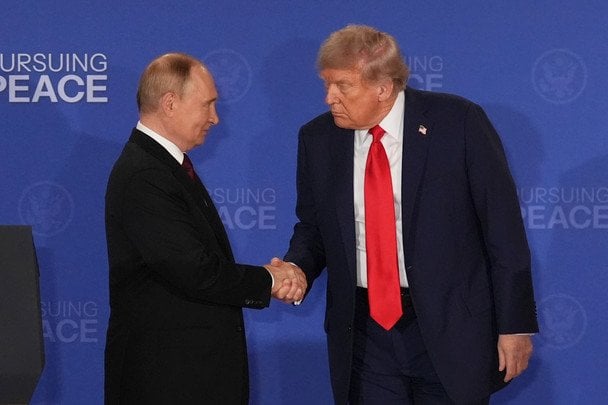
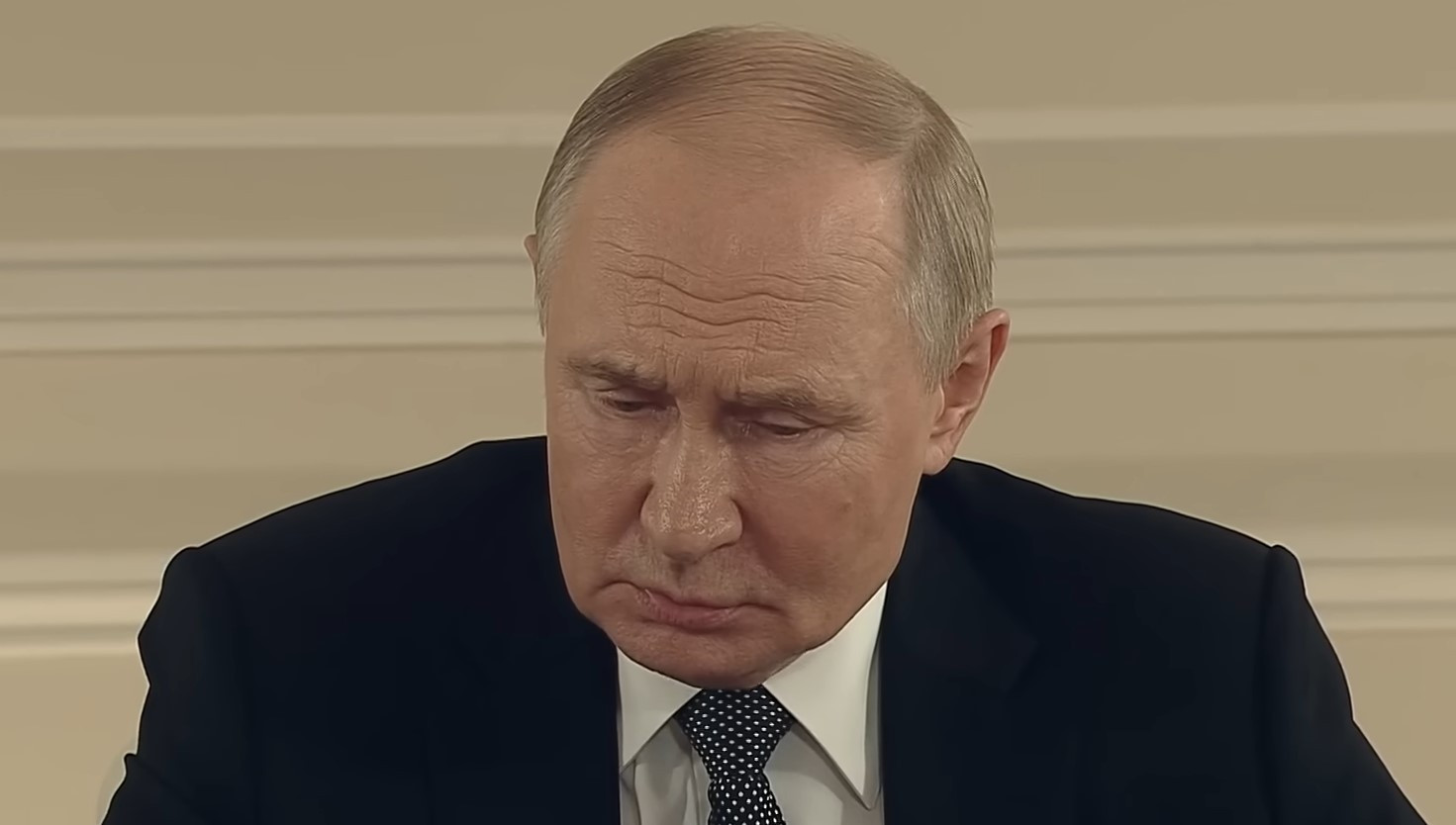
According to ТСН: Russian special services actively use a global system of psychological influence on U.S. President Donald Trump, which was developed by Soviet intelligence.
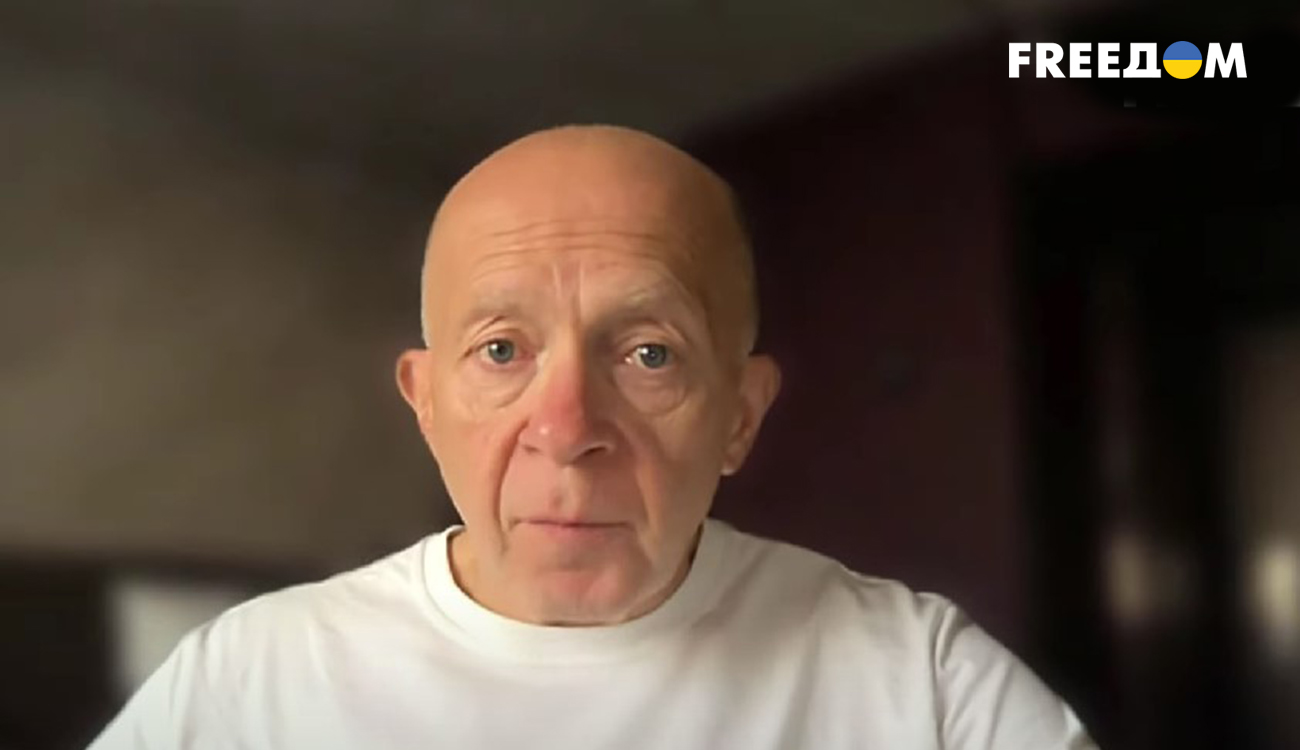
This information was reported by the army general of Ukraine, former head of the Foreign Intelligence Service Mykola Malomuzh.
The general noted that the change in Trump's rhetoric after his contacts with the Kremlin is a result of the systematic work of specialists in the field of neurolinguistic programming and psychological pressure.
Psychological Manipulations and 'Pain Points'
Mykola Malomuzh emphasized that the Kremlin's preparation for negotiations with Western leaders is based on a thorough study of the personality of the target of influence.
“Intelligence, even the First Chief Directorate of the KGB of the USSR - it processes both neurolinguistic forms of influence and various psychological combinations, and influence through his circle, and through his relatives, and in electronic format. There is a format of suggestion, there is a format of influence on the masses, on specific leaders, that is, there are hundreds of options for action,” the general said.
The expert explained that Russian special services analyze the life path of the leader, starting from the moment of his birth, to identify hidden fears.
“The leader is studied from the moment of birth, all his phobias. Conditionally - he was afraid of the dark, or above other systems, something scared him. This is taken into account. It is encoded in his genocode. Putin knows about this, his team, which prepares for negotiations, knows. They press on the pain points, and it generates within him. Even subconsciously he would not want to form this - either positivity or negativity,” notes Mykola Malomuzh.
The Role of Supercomputers in Negotiations
The general emphasized that Putin enters the dialogue already prepared by the team systematically, where supercomputers model possible actions and reactions of the opponent. An example of the effectiveness of such influence was Malomuzh's mentioning of Trump's sudden change in position regarding Ukraine.
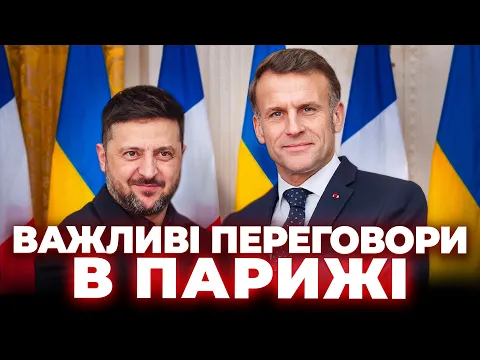
“After even our influence, when he swore support for Ukraine at the General Assembly with Zelensky and said: we will provide all types of armaments, I will repeat - even 'Tomahawks'. And here literally two days later, Putin negotiated, and he took Putin's side. Specifically. And the next day he already met with our president and, already from Putin's words, pressured regarding the surrender of territories, other formats. This is the real influence of special services, but it has become not some selective action, but rather a global system,” concluded the former head of the Foreign Intelligence Service.
It should be reminded that earlier the head of the Public Analytics Center 'Tower' Valeriy Klochkо noted that the Russian dictator Vladimir Putin continues to publicly promote narratives about 'historic lands', trying to convince the world of his readiness to wage a prolonged war. However, under aggressive rhetoric lie the real fears of the Kremlin losing geopolitical subjectivity and becoming fully dependent on Beijing.
Thus, the information about the use of psychological influence by Russian special services in the context of interaction with the American president highlights the complexity of international relations. Psychological manipulations and technologies used in this context demonstrate new aspects of modern geopolitics that require careful analysis and response from Western leaders.
Read also
- Putin Boasts About Territorial Gains, But Russia’s Own Loss Figures Tell a Different Story
- Putin Claims Russia Seized 2.44 Million Sq Km of Ukraine – Why That Number Raises Eyebrows
- Former CIA Special Operations Chief Warns: All Sides Should Brace for Russian Surprises
- Putin Claims Russia’s Economy Is Stable, Yet Investment Has Plunged by 15%
- Putin Declines Zelenskyy Meeting and Dismisses Ceasefire Letter
- Putin Responds to Zelensky's Letter: What He Said About a Meeting and Russia's War Aims