Political Analyst: Putin's Leadership Falters Across the Former Soviet Sphere.

Putin's Declining Leadership Status
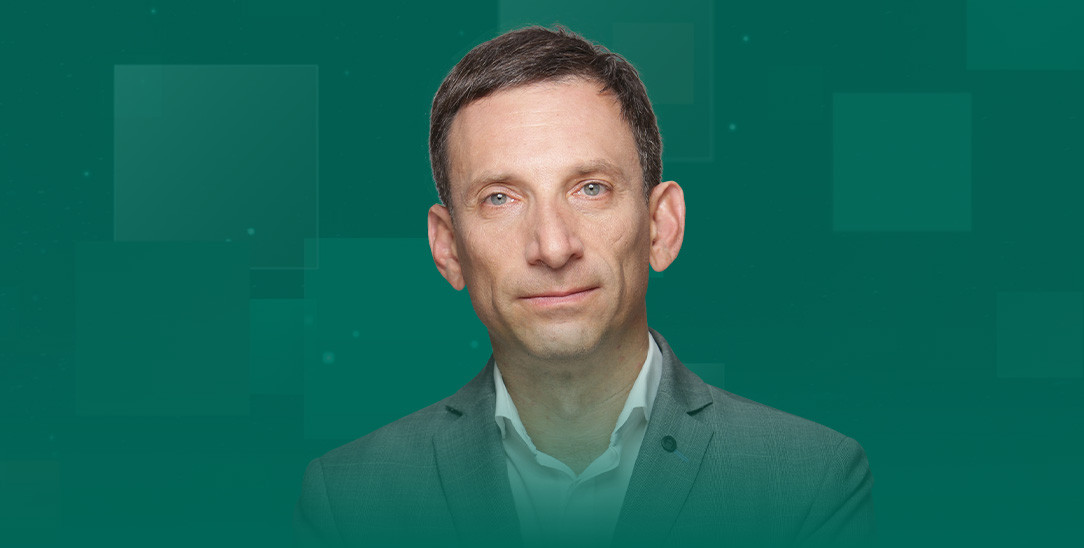
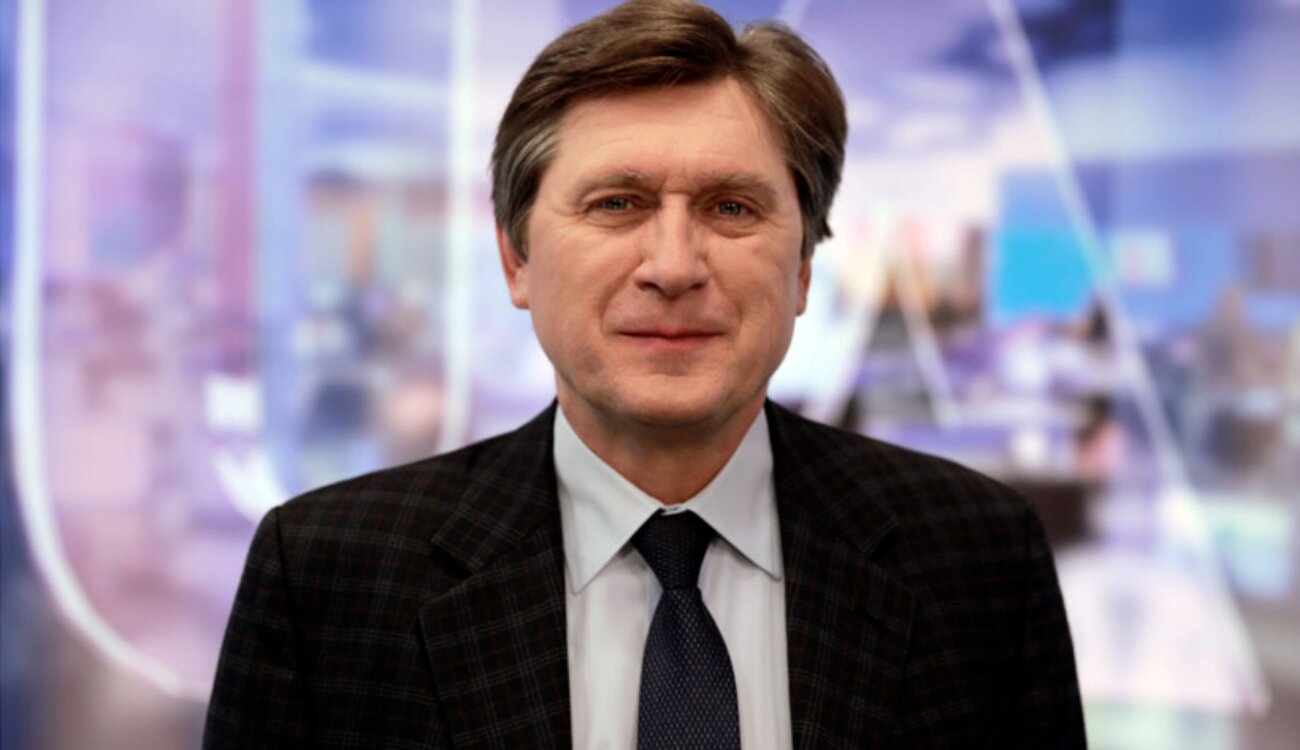
According to UATV: Political analyst Volodymyr Fesenko, speaking on the FREEDOM TV channel, argued that Vladimir Putin is losing his global leadership status, particularly within the post-Soviet sphere. According to the expert, the regional situation points to significant shifts in Russia's influence. This assessment comes amid ongoing geopolitical realignments following Russia's war against Ukraine.
On March 11, 2023, Fesenko noted that Putin has forfeited positions he once held. As a result of his various gambits, notably the full-scale invasion of Ukraine launched in 2014, he has lost control over that nation. In late 2021, Putin issued an ultimatum to Ukraine, the U.S., and NATO, which the political analyst views as an attempt to reclaim his status, but these actions failed to achieve the desired outcome.
Shifts in the Post-Soviet Space
Furthermore, Fesenko emphasized that developments in post-Soviet states like Armenia and Kazakhstan demonstrate their drift away from Russia. Meanwhile, China is gaining greater influence in Central Asia, further undermining Moscow's standing.
'The trouble for Putin is that he is losing his leadership status not only in Eurasia but also across the post-Soviet space.' - Volodymyr Fesenko
Consequently, the overall picture indicates that Putin is gradually losing his grip on the region, which could have serious implications for his foreign policy and international stature.
Putin's waning influence in the post-Soviet sphere may signal a shift in the region's political dynamics, opening new opportunities for other states, such as Ukraine, and potentially fostering greater stability in Central Asia. China's rising role in this context also suggests possible changes in the geopolitical balance, which could affect Western strategies toward Russia. Therefore, Fesenko's observations reflect broader trends that may have a lasting impact on international relations and security across Eurasia.
Read also
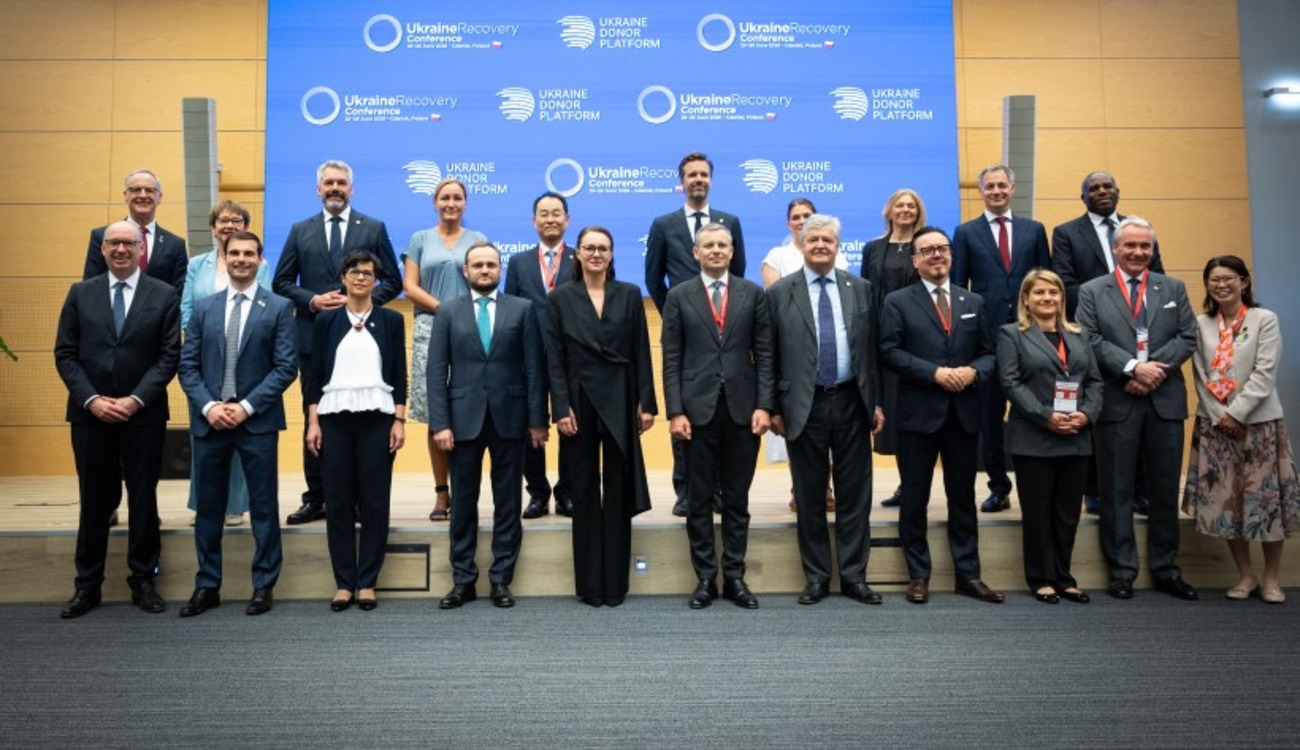
- Over 160 Deals Worth €10 Billion: Gdansk Summit Delivers Major Support for Ukraine
- US Elections Could Push Putin to Fast-Track Deals: What This Means for Ukraine
- Why No Peace Deal Is Expected by Year-End: Political Analyst Volodymyr Fesenko on the War's Conclusion
- Russia Demands Ukraine Withdraw Troops in Two Months, Kuleba and Zelenskyy Comment on Peace Prospects
- Ukraine Defines the Ideal MP: What Changes the Parliament Should Deliver
- Orban Launches Aggressive Campaign: Why He’s Picking Fights with Ukraine and the EU