Why German Sports Cars Are Capped at 250 km/h: The Story Behind a Gentleman's Agreement.

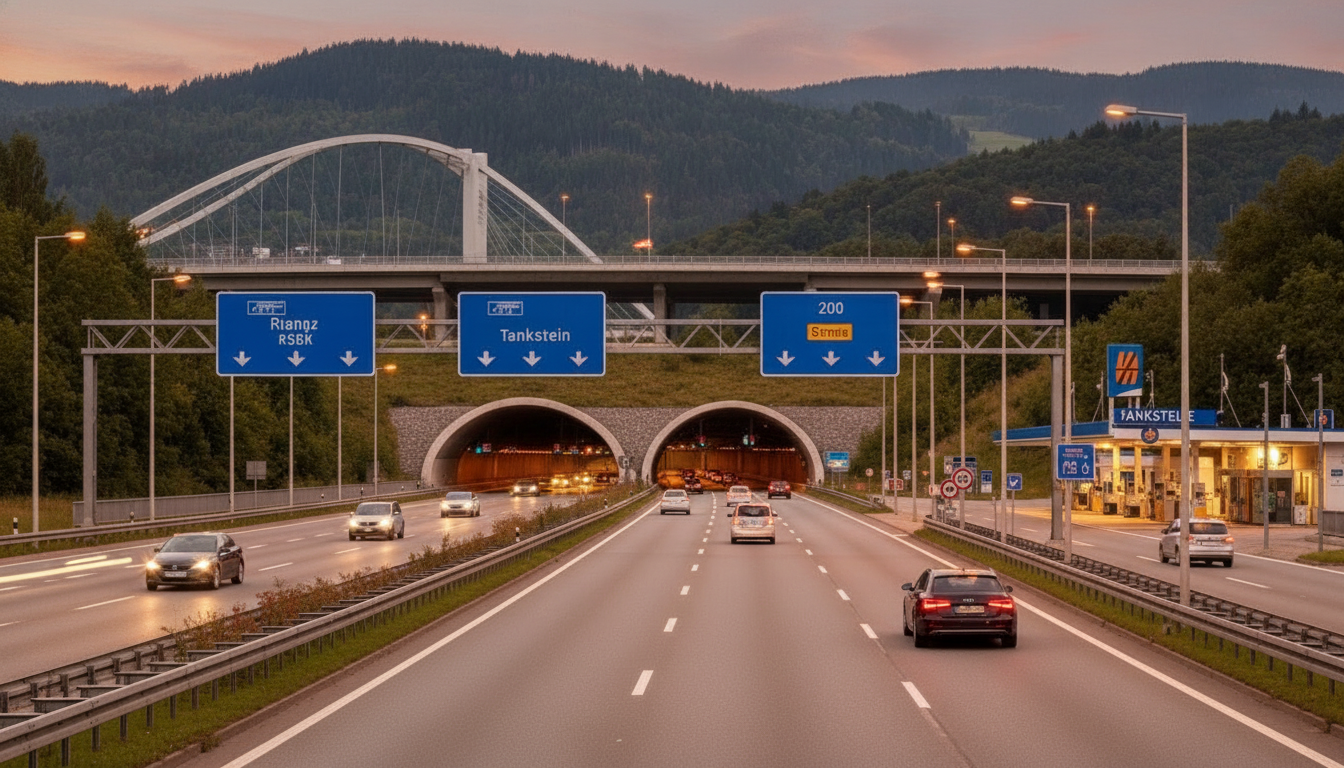
The Origins of Speed Limits on German Vehicles
According to Novyny.live: The roots of speed restrictions on German cars trace back to the 1970s, when political debates in Germany pushed for mandatory limits on the Autobahn. At the time, the Green Party strongly advocated for such measures, driven by growing concerns over road safety and environmental issues. This pressure led to a gentleman's agreement among leading German automakers—BMW, Mercedes-Benz, and Audi—which has now been in effect for over 40 years.
Current Speed Limit Rules
Today, speed regulations on the German Autobahn remain relatively liberal. Specifically, German sports cars are electronically limited to 250 km/h. However, models like the BMW M5 sedan can reach up to 305 km/h without electronic restrictions. For the BMW M2, a special options package raises the speed cap to 285 km/h. Meanwhile, Japanese automakers took a different approach in 1989, voluntarily capping engine output at 276 horsepower, which also shaped the global car market.
Thus, the history of speed limits on German cars is not just a story of technical innovation but also of political decisions that have shaped traffic regulations over decades. Today's Autobahn conditions reflect an ongoing balance between speed, safety, and environmental demands.
The speed limit on German highways remains a hot topic, sparking debate among car owners, politicians, and environmentalists alike.
Current trends in the automotive industry—such as the rise of electric vehicles and new safety technologies—could lead to further changes in speed-related legislation. Environmental considerations are also likely to play a key role in shaping Germany's future traffic policies.
Read also
- Zelensky and Top Military Command Outline Response Plan to Russian Strikes
- EU's New Sanctions Package Targets Crypto Platforms Used to Bypass Restrictions
- New directives for Ukraine's National Security and Defense Council: Zelenskyy assigns tasks to Umerov and Klymenko
- Ukraine Extradites Former Lawmaker Demchak in Major Push to Bring Back Suspects
- EU Adopts 21st Sanctions Package Against Russia: What the New Restrictions Target
- Lithuania Accuses EU Nations of Undermining Sanctions for Their Own Economic Gain