Ukrainian Parliament Rejects Bill to Reform Community Organizations.

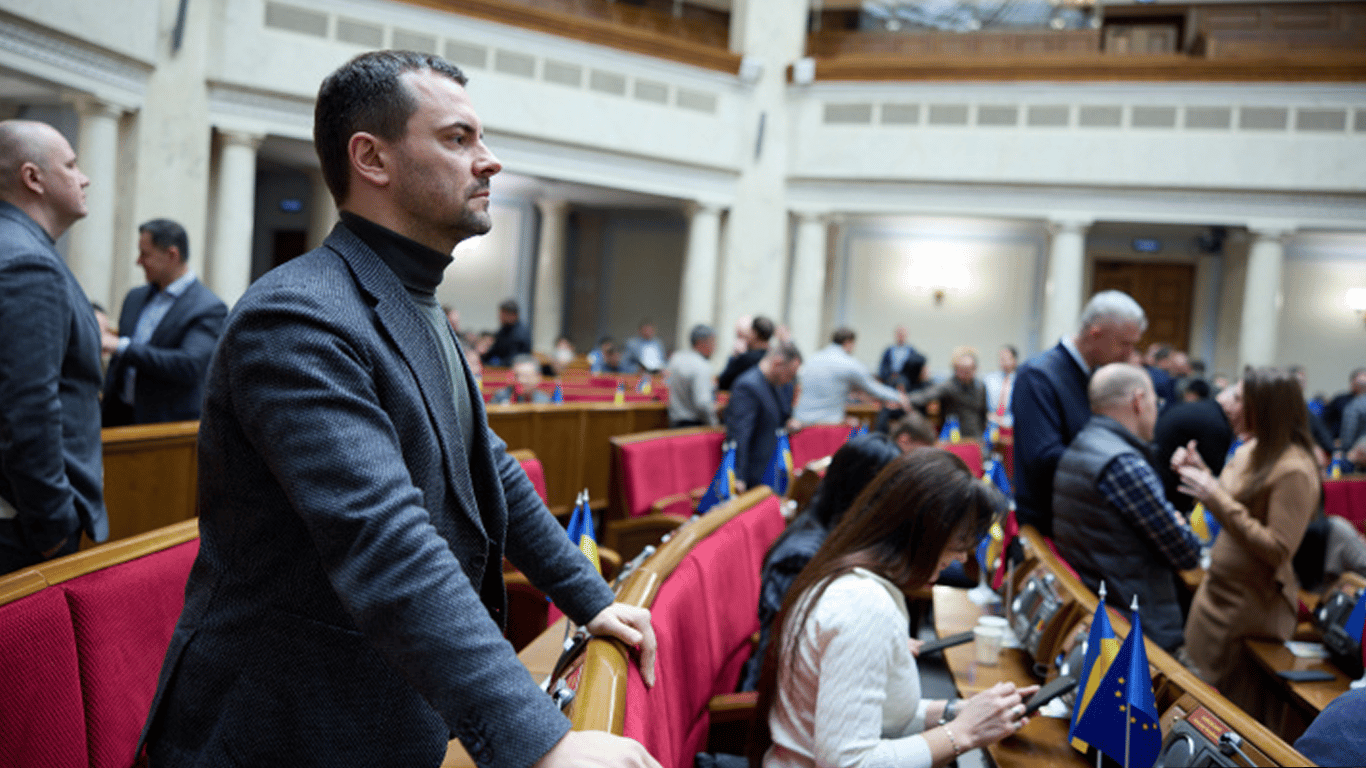
Vote on Draft Law No. 6319 Fails to Pass
According to Novyny.live: Ukraine's parliament, the Verkhovna Rada, failed to pass Draft Law No. 6319 on March 11th, which aimed to reform the operations of community self-organization bodies (OSNs). The vote saw participation from 205 deputies, but the bill did not secure the necessary majority to become law.
Key Provisions of the Proposed Law
The defeated legislation sought to establish clear rules for the creation, operation, and dissolution of OSNs. Its main points included:
- Restricting OSN membership to Ukrainian citizens aged 18 or older.
- Requiring approval for an OSN's creation from a village or city council.
- Prohibiting the establishment of OSNs on the premises of military units or prisons.
These changes were intended to bring more structure and regulation to these grassroots bodies. To enhance financial oversight, the bill mandated the election of an internal audit commission to monitor an OSN's finances, a measure designed to increase transparency and accountability for these community groups.
This legislative setback occurred just one day after the Rada failed to pass a separate bill on a special taxation regime on March 10th. These consecutive failures may indicate a lack of consensus in parliament to pass key laws, some of which are required by international partners like the International Monetary Fund (IMF) as part of broader reform agreements.
The failure of Draft Law No. 6319 is yet another example of the difficulties the Verkhovna Rada faces in passing necessary changes to ensure Ukraine's stability and development.
The rejection of this bill underscores the challenges facing Ukraine's parliament in its efforts to reform local governance and community organizations. The inability to muster sufficient support for this legislation reflects broader political hurdles that are stalling reforms, including those tied to international financial assistance. This ongoing legislative gridlock threatens to undermine the country's stability and development amid a challenging economic climate.
Read also
- Fedorov’s 'Diia' Party Could Surge to 7% in Polls: Inside the Strategy and Outlook
- White House Teleprompter Operator Made Over $100,000 Betting on Trump’s Speeches: Investigation Reveals
- New Phase in Ukraine-Poland Ties Announced by Zelensky: What Lies Ahead
- Zelensky Breaks His Own Pledge: How the President Undermined Constitutional Order
- Azerbaijan Offers to Host Peace Talks Between Ukraine and Russia
- Turkey and Ukraine’s Budanov Discuss Reviving Peace Talks to End the War