Embryonic DNA Editing and AI Self-Improvement: Science on the Cusp of a New Era.

Breakthroughs in DNA Editing
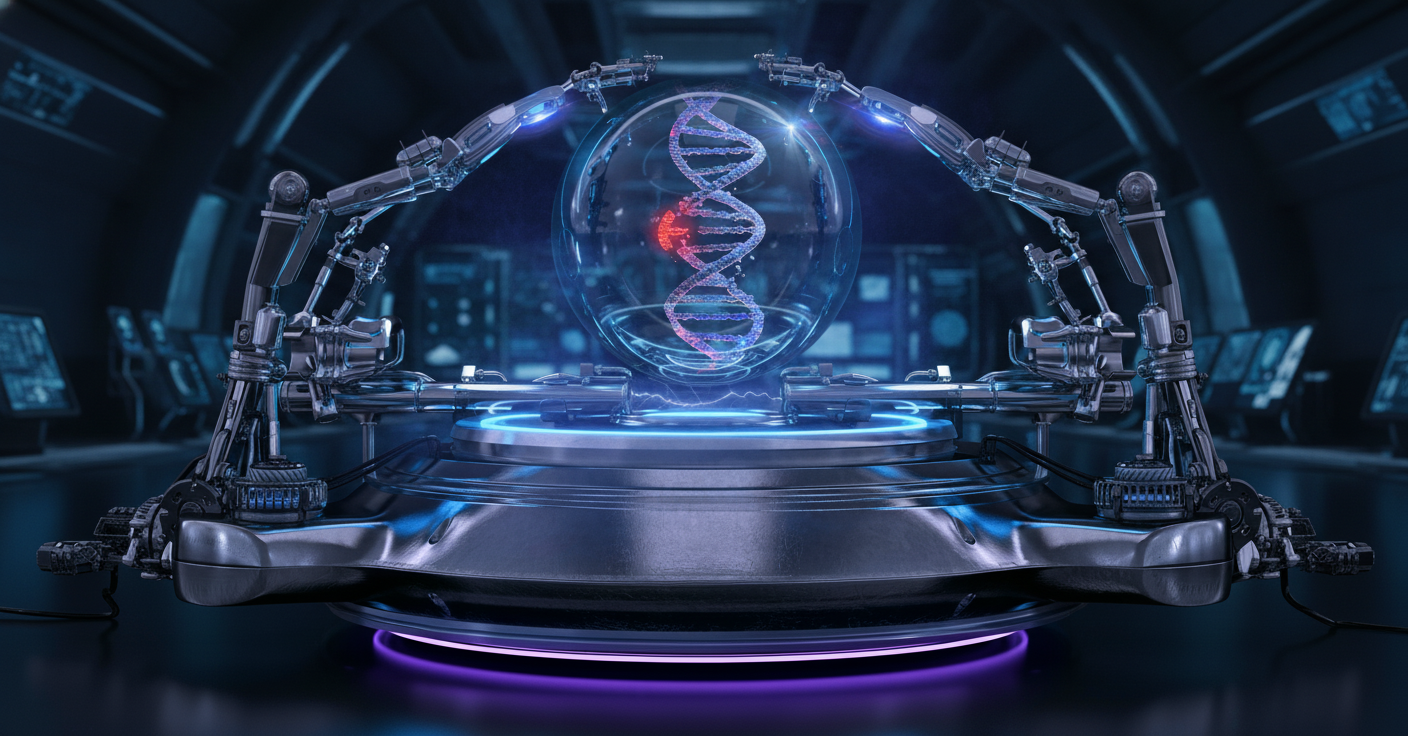
According to Vox - Загальний: Scientists have reached a new milestone in editing human embryonic DNA, unlocking fresh possibilities while also raising serious concerns. On June 1, a research team led by Dieter Egli of Columbia University published a paper detailing the modification of two genes: PCSK9 and HBG. These genes were selected for their critical roles in human biology. PCSK9 governs the body's ability to clear cholesterol from the blood, while HBG encodes a form of hemoglobin used before birth.
Although this paper represents a significant step in scientific research, it has not undergone peer review, which may invite further questions about its validity and the ethical implications of gene editing. Notably, a previous instance of embryo editing occurred in 2018 by Chinese scientist He Jiankui, sparking enormous controversy within the scientific community.
Artificial Intelligence and Ethical Dilemmas
Meanwhile, the company Anthropic claims that artificial intelligence is already accelerating its own development, potentially leading to AI self-improvement. Co-founder Jack Clark remarked:
“We don't have that much time” - Jack Clark
This suggests that technologies could evolve rapidly, and their impact on society will be profound.
Research and development in DNA editing and artificial intelligence are opening new horizons for human and technological advancement. As science journalist Carl Zimmer notes:
“It might pave the way for designer babies with specific traits” - Carl Zimmer
This comment raises questions about ethical boundaries and the potential consequences of such technologies.
These recent achievements in gene editing and AI development could fundamentally reshape our understanding of life and technology. However, they also bring up critical issues of ethics and safety that demand careful discussion and regulation.
These events underscore the need for an interdisciplinary approach to emerging technologies, as the ethical challenges surrounding gene editing and artificial intelligence require active involvement from scientists, ethicists, and policymakers. With technology advancing at a rapid pace, society must prepare for the potential challenges and consequences that may arise from integrating these innovations into everyday life.
Read also
- New York Breaks Ground on 373-Meter Skyscraper: The Second World Trade Center
- NVIDIA Unveils DLSS 5: Three AI Models for Gaming, Launching This Fall
- Ukraine’s Defense Ministry Unveils New Robotic Combat System ‘Mini Strike Serpent’ – Key Details Inside
- Ukraine's Drone Forces Sink 183 Russian Shadow Fleet Vessels, Unleash New Missiles and Strike Crimea
- Ukrainian Firm SkyFall Unveils P1-SUN Jetkiller Interceptor Drone: Key Details Emerge
- World’s First 500 MW Impulse Hydropower Plant Under Construction in China: Trials Succeed