Russia equips Shaheds with floodlights: how drones blind Ukrainian hunters.

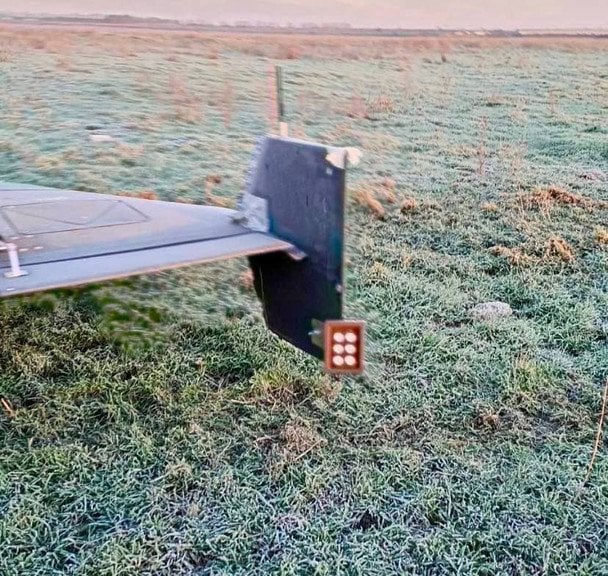
According to ТСН: The enemy is looking for new ways to protect its drones from Ukrainian "drone hunters." This was reported by radio-electronic warfare and communications expert Serhiy "Flash" Beskrestnov.
Why do Shaheds need floodlights
The expert emphasized that he sees this technology on a Shahed drone for the first time.
“This is an IR (infrared) floodlight for blinding anti-aircraft drones and aviation. The enemy continues to work on countermeasures,” Flash noted.
How it works: Most night vision cameras used by Ukrainian mobile groups and interceptor drones are sensitive to the infrared spectrum. A powerful IR light flash can seriously complicate aiming for the operator.
How to detect danger: advice for the military
In addition to blinding drones, the enemy uses drones with online control (such as “Gherbery” and modernized “Shaheds”) for reconnaissance. "Flash" provided recommendations on how to detect them using the TinySA Ultra.
If horizontal lines appear in the 1300–1500 MHz range, this indicates the operation of the enemy drone's video transmitter.
What this means for the military:
Threat of strike: Mobile fire groups (MFG) and air defense must be on alert number 1.
Priority target: If the UAV is circling and sending such a signal — this is a repeater. It must be destroyed first.
Quiet mode: The drone is conducting reconnaissance, so ground activity should be minimized.
Position exposure: If the drone with signal hovers above you — your position has been studied, a strike is possible.
Spying: The enemy can record the operation of anti-aircraft drones to study the tactics of the Armed Forces of Ukraine.
Serhiy Beskrestnov also urged the military to share information about any new discoveries with him directly, as bureaucratic procedures often complicate data exchange between agencies.
It is worth noting that Russia is intensifying strikes on Ukraine with aerial bombs, and the military believes that KABs may become a new deadly threat in 2026.
This information highlights the complexity of modern warfare and the importance of new technologies in combating aerial threats. From the expert's words, it is clear that the enemy does not stop improving its means, and Ukrainian soldiers must be vigilant and adapt to new challenges. Understanding the strategies and tactics of the opponent remains a key factor for success on the battlefield.
Read also
- Zelenskyy Arrives at NATO Headquarters for Ramstein Meeting: Key Takeaways
- Three Major Decisions Reached by Ukraine Defense Contact Group
- Ukraine’s Parliament Moves to Penalize Insults Against Police and Military with Fines and Community Service
- Intercepted Russian Document Contradicts Claims of Drone Strike on Bus Carrying Belarusians
- Belgian Premier and Zelenskyy Discuss New Aid Package and F-16 Delivery Timeline
- EU Gives Ukraine the Green Light for Membership Talks: What This Means