Russia Now Allows Fuel with 15 Times the Normal Sulfur Limit: What’s Behind the Move.

Environmental Standards Weakened in Russia
According to Espreso.tv: In 2025, Russia relaxed its environmental regulations on sulfur content in fuel, extending these changes in May 2026. Under the revised rules, the production of fuel with elevated levels of sulfur, aromatic hydrocarbons, and other substances has been authorized. The Ministry of Energy is responsible for oversight and must submit monthly reports to the government.
Updated Environmental Guidelines
The Euro-5 standard caps sulfur at 10 mg/kg, but select factories are now permitted to raise this limit to 150 mg/kg. For diesel, the threshold is 350 mg/kg. Additionally, the new norms allow:
- aromatic hydrocarbon content up to 42%,
- monomethylaniline up to 1%,
- ethanol up to 5%.
At the same time, fuel exports to countries within the Eurasian Economic Union (EAEU) are prohibited.
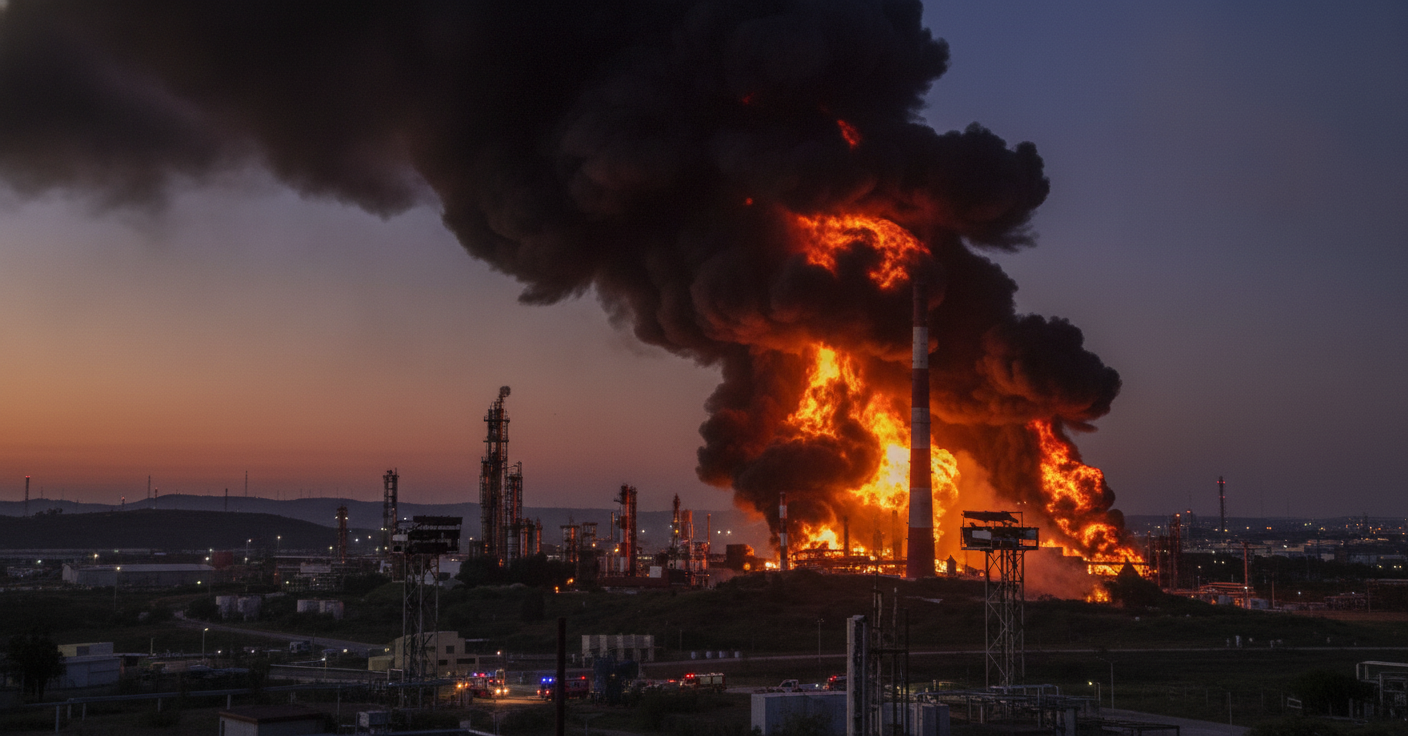
Russia has also suffered heavy losses due to strikes on its oil refining infrastructure: since the start of 2026, the country has lost at least $7 billion. Fuel shortages have spread across multiple regions, including Moscow, St. Petersburg, and occupied territories. As a result, the budget deficit for the first four months of 2026 reached 5.9 trillion rubles.
The relaxation of environmental standards in Russia stems from the need to sustain the domestic fuel market amid substantial infrastructure damage from attacks.
These changes could worsen the country’s environmental conditions, as higher levels of harmful fuel components pose risks to public health. The ban on fuel exports to the EAEU is likely to limit opportunities for Russian producers, who will try to offset losses by focusing on the domestic market.
Read also
- Trump Says Talks Possible as Oil Prices Crash After US and Iran Halt Attacks
- Sanctions Disguise Airline Bankruptcies as Rostec Plans a Restructuring of Russian Aviation
- Drone Strikes on CPC Terminal Drive Kazakhstan's Daily Oil Output Down to 133,200 Metric Tons
- Partial Restoration of Gasoline Output at Russian Refineries After Drone Strikes: 30-40% Capacity Recovered, but Full Repair Deemed Unlikely
- New U.S. Tariffs Hit 60 Nations: Here Are the Rates for the EU and Russia
- Russia’s Oil and Gas Revenue Set to Surge by 60%—Here’s What’s Driving the Jump