Russians banned IAEA access to the dam of the ZNPP: security threats.

According to FREEДOM:
Obstruction for IAEA
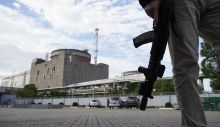
Representatives of the International Atomic Energy Agency (IAEA) were unable to access the new dam of the canal of one of the cooling ponds of the Zaporizhzhia Nuclear Power Plant (ZNPP). This entry ban was imposed by Russian military personnel who control the area. This is stated in a statement by the IAEA published on the agency's website, as reported by FREEДOM.
'IAEA has received additional information about the dam built to provide cooling water for the systems needed to keep the reactor units at the ZNPP in a cold shutdown state. The IAEA team based at the ZNPP continues to request access to the recently constructed dam, but has so far been denied due to security concerns,' the agency reported.
Purpose of the dam
The dam is designed to isolate one of the channels from the cooling water reservoir of the Zaporizhzhia NPP. It will help maintain the water level in the channel at about 14 meters, which is sufficient for the operation of the reactor cooling systems.
'Our access to this dam is important for assessing the situation with cooling water, which is extremely important given the unstable situation with nuclear safety at the ZNPP,' said IAEA Director General Rafael Grossi.
Unsuccessful access to the OSCE
In addition, IAEA experts were not allowed to enter the western part of the machine hall of one of the ZNPP reactors during a weekly inspection. The IAEA mission also reported military activity near the occupied ZNPP.
The situation at the Zaporizhzhia Nuclear Power Plant remains tense, especially after the recent construction of the dam, which aims to ensure the stability of water supply for cooling the reactors. The refusal of access to key facilities indicates complications for international organizations trying to monitor nuclear safety in a territory where combat operations are ongoing. The next steps of the IAEA and the prospects for improving access may significantly impact the situation in the region.
Read also
- Germany’s Justice Minister Arrives in Kyiv with a New Cooperation Program Aimed at EU Integration
- Moldovan Citizens Get Faster Track to Ukrainian Citizenship: Here’s What’s Changing
- 160 Ukrainian Defenders Freed from Captivity: Who Was Released in the Latest Exchange
- Former Putin Administration Chief Ivanov Removed from Russia’s Security Council: Key Details
- Russia’s Oil Infrastructure Hit Hard, NATO Chief Acknowledges Ukraine’s Strikes
- Poland's Ex-Defense Chief Returns Zelenskyy Award in Solidarity with Victims' Families