







Iran Receives Russian Intelligence for Strikes Against US and Allies.
Regional Developments
According to TSN.ua: Russia is providing intelligence data to Iran to support its military strikes against the United States, Israel, and their partners. This cooperation has become more pronounced following recent Iranian attacks on military installations and financial hubs. On March 12, Iran targeted a joint base of French and Kurdish forces in the Iraqi city of Mahmur. The assault left six soldiers wounded, with one fatality—Senior Adjutant Arnaud Frion.
Additionally, a strike on the Dubai International Financial Centre building is believed to have been carried out under Iranian direction. These incidents occur amid a broader escalation that began on February 28, when the US and Israel launched offensives against Iran. Those operations resulted in the death of Iran’s supreme leader, Ayatollah Ali Khamenei, along with approximately 40 top officials.
Leadership Transition in Iran
Following the death of Ali Khamenei, his son Mojtaba Khamenei has assumed the role of Iran’s new supreme leader. This change in leadership could shift the country’s foreign policy strategies. Security expert John Healey commented:
'Russia may be assisting Iran in deploying attack drones.' — John Healey
This remark highlights the potential deepening of military collaboration between the two nations.
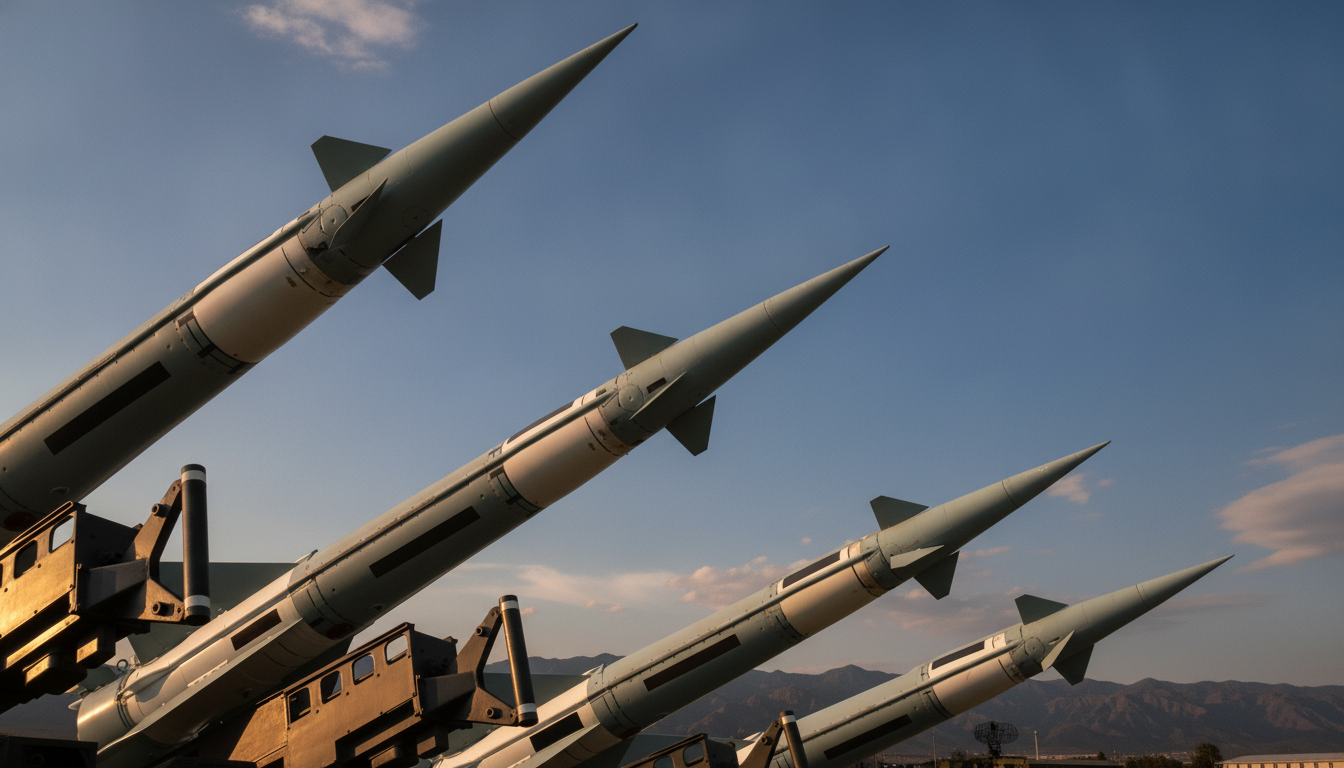
Meanwhile, former US President Donald Trump has referenced a military capability that he describes as possessing 'unprecedented firepower, unlimited ammunition, and plenty of time.' Such statements suggest that the conflict between Iran and its adversaries may intensify, keeping global tensions high.
The situation in the region reflects growing friction between Iran, the US, and their allies, which could lead to further confrontation. Russia’s backing of Iran in military operations underscores emerging geopolitical alliances that may significantly impact Middle Eastern security. The power shift in Tehran introduces new possibilities for strategic realignment, making future developments in the region increasingly unpredictable.
Read also
- AI-Driven Simulation Reveals How a US-China War Over Taiwan Could Ignite
- Trump Backs Proposal for Zelensky-Putin Meeting: What We Know So Far
- Rubio Announces $400 Million Aid Package for Ukraine: Could This Shift Russia’s Stance?
- Expanding Ukraine’s Footprint in the Middle East: Countering the Russian-Iranian Threat
- How Pakistan Became a Key Mediator Between the U.S. and Iran: Trump Extends the Ceasefire
- Israel and Lebanon Reach Ceasefire Deal: Key Terms and Dates for Upcoming Talks