Russia's Shift to Year-Round Conscription: Assessing the War's Trajectory.

Mobilization in Ukraine and Russia
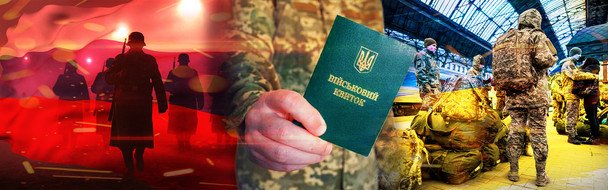
According to TSN.ua: This analysis examines the ongoing mobilization efforts in Ukraine and a significant change in Russia's conscription policy set to begin in early 2026, alongside military experts' assessments of the potential consequences for both nations. While Ukraine's mobilization continues, Russia is preparing to implement year-round military conscription starting January 2026. A law signed by Vladimir Putin mandates that Russian military enlistment offices will now operate continuously. This move is expected to substantially increase the number of conscripts in Russia, potentially reaching around 500,000 individuals annually. This policy shift occurs against the backdrop of a protracted war of attrition, where manpower resources are a critical factor.
The current average for voluntary mobilization in Russia is approximately 410,000 to 420,000 people per year. Military observer Oleksandr Kovalenko notes the scale of this effort:
"This is a huge number. As of today, the average figure for conditionally voluntary mobilization in the Russian Federation is approximately 410-420 thousand per year." - Oleksandr Kovalenko
These figures highlight the significant efforts by Russian authorities to staff their military forces.
Reasons Behind Russia's Year-Round Draft
Military experts are analyzing the reasons for Russia's shift to continuous conscription. Ivan Stupak points to systemic failures in the previous model:
"Why did Russia make conscription year-round? When their draft was held twice a year, in spring and autumn, the Russian conscription system collapsed." - Ivan Stupak
This indicates serious challenges the Russian army faces in its mobilization processes.
Oleksandr Kovalenko also emphasizes the need to focus on technological advancement over mass mobilization: "Therefore, we need to concentrate our efforts not so much on large-scale mobilization, which could destroy our economy, but on the technological direction." This underscores the importance of adapting strategies to modern wartime challenges, where technological edge can be as decisive as troop numbers.
Meanwhile, in Ukraine, mobilization and martial law have been extended until May 4. These measures reflect the conflict's protracted nature and the necessity of maintaining the country's defense capabilities amid active combat. The situation in both countries remains tense, and changes in military strategy could significantly influence future developments.
Given the new changes in Russia's mobilization processes and the continuation of military measures in Ukraine, both nations continue to adapt their approaches to the war's demands. These events highlight not only the growing regional tension but also the necessity for strategic planning that could substantially impact the conflict's course. The effectiveness of mobilization efforts and technological innovation remain key aspects in the further development of both states' defensive capabilities.
Read also
- Ukraine’s Ombudsman Secures Prisoner Return Deal with Russia: First 186 Freed
- First EU Accession Negotiation Cluster Launched by Ukraine: Understanding the 'Fundamentals'
- Putin Responds to Zelensky's Letter: What He Said About a Meeting and Russia's War Aims
- Slovakia Backs Opening EU Accession Negotiation Clusters for Ukraine
- Georgia's Government Has Adopted Moscow's Stance on Ukraine, Says Zurabishvili
- EU Endorses Zelensky’s Call for Direct Talks with Putin