Russia Shifts Oil Exports to China via Super-Tankers as Indian Demand Declines.

Russia's Seaborne Oil Logistics Undergo a Major Shift
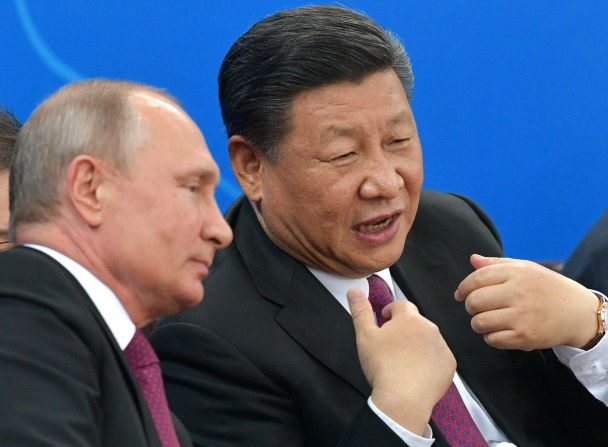
According to TSN.ua: Facing a drop in demand from India, Russia is significantly increasing its oil shipments to China, utilizing Very Large Crude Carriers (VLCCs) to reroute its supplies. China has now become the primary market for Russia's Urals crude oil, with deliveries to Chinese ports surging in recent months. This pivot highlights how global energy trade routes are being reconfigured in the wake of geopolitical tensions and shifting economic partnerships.
To optimize deliveries to China, Russia has begun transferring Urals crude onto super-tankers in the Red Sea. Data shows that in the first 18 days of February 2023, the volume of Russian oil shipped to Chinese ports reached 2.09 million barrels per day. This marks a substantial increase from 1.72 million barrels per day in January 2023 and 1.39 million barrels per day in December 2022, indicating a sharp rise in Chinese demand.
New Strategic Opportunities for Russia
China has emerged as the leading buyer of Russian oil as India has scaled back its purchases. For these long-haul shipments, Russia is employing VLCC-class super-tankers, each capable of carrying up to 2 million barrels. For instance, the super-tanker Sahara, built in 2007, loaded approximately 1.7 million barrels. The entire shipping process from the port of 'Novorossiysk' to the final destination took roughly three months.
Consequently, Russia has offset the decline in its oil exports to India by ramping up supplies to China. This demonstrates a strategic realignment in Russia's seaborne oil logistics and the formation of new market partnerships.
This logistical shift reflects broader global energy market trends, where importing nations are adapting to new supply conditions. The reduction in demand from India is likely linked to a combination of economic and political factors, presenting fresh challenges for Moscow. Simultaneously, deepening cooperation with China could become a crucial element of Russia's strategy to sustain its oil and gas revenues amid sanctions and restrictions imposed by Western nations.
Read also
- Woman Accused of Smuggling Aircraft Parts to Evade Sanctions—What It Means for Russian Aviation Safety
- May 2026 government salaries revealed: Shmyhal takes home nearly 129,000 hryvnias
- Poland Proposes Minimum Wage Hike for 2027: What the New Rates Could Look Like
- Inflation Forces Russia’s Central Bank to Keep Rates High as Antimonopoly Watchdog Targets Economists Over Forecasts
- Massive Sewage System Construction Planned in Odesa Amid Illegal Wastewater Dumping
- Fuel Prices in Kharkiv Hold Steady on June 7: What Gasoline, Diesel, and LPG Cost Today