Zelenskyy Urges NATO Response to Russian 'Oreshnik' Missile Deployment in Belarus.

Belarus to Host Russian 'Oreshnik' Missile Systems
According to TSN.ua: In coordination with Belarusian President Alexander Lukashenko, Russia is preparing to station its 'Oreshnik' missile complexes on Belarusian territory, with sites already being readied for their arrival. Ukrainian President Volodymyr Zelenskyy has labeled this development a direct threat to European security, calling for a decisive response from the NATO alliance. This move represents a significant escalation in Russia's use of Belarusian territory for its military operations against Ukraine.
Alexander Lukashenko maintains control over how Russian forces utilize Belarus, effectively granting the Kremlin a strategic platform for its military campaigns. Belarus also provides technological support for attacks targeting Ukrainian energy infrastructure and civilians. In an interview with the independent Belarusian media outlet 'Dzerkalo,' Volodymyr Zelenskyy stated that
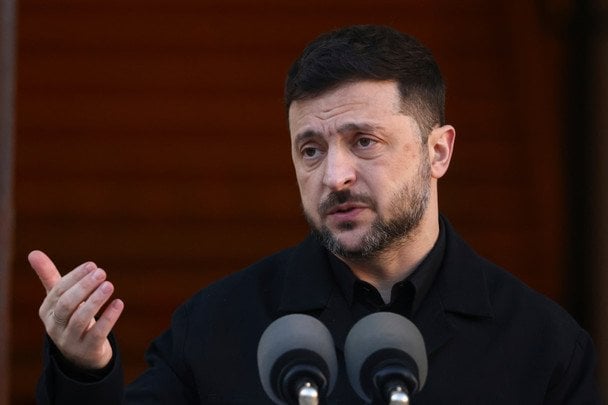
"In my view, NATO should see the 'Oreshnik' as a legitimate target" - Volodymyr Zelenskyy
He further remarked, "Right now, it certainly depends on him," alluding to Lukashenko's pivotal role in enabling the deployment.
Regional Threat Intensifies
Adding to the concern, new equipment has appeared in Belarus—relay stations for 'Shahed' drones—indicating the country's active involvement in military actions against Ukraine. As noted by security expert Andriy Tkachuk,
"They are using it as a demonstration of force" - Andriy Tkachuk
which underscores the regional danger posed by this deepening military cooperation.
Overall, Russia's plans to base 'Oreshnik' missile systems in Belarus have alarmed the international community and are seen as necessitating a firm NATO countermeasure. The deployment is part of a broader Russian strategy to amplify its military footprint in the region and project power toward neighboring states. This could substantially alter Europe's security balance and heighten tensions between NATO and Russia, potentially compelling Alliance members to reassess their defense postures and enhance collaborative efforts to address the emerging challenge.
Read also
- Why Russia Can't Sustain a Long War: General Malomuzh Reacts to Zelenskyy's Invitation to Putin
- Ukraine’s FP-7 Ballistic Missile Strikes Targets Beyond 100 km in Successful Test
- Zelenskyy arrives in the UK for talks with European leaders and King Charles III
- Zelensky announces stepped-up strikes on Russia: Can diplomacy still end the war?
- NATO Set to Announce €70 Billion for Ukraine Ahead of Ankara Summit
- Why Zelensky’s Flight Departed from Moldova Instead of Poland During His UK Visit