Russia's Military Advance Slows as Kremlin Issues New Demands to Ukraine and NATO.

The Situation in Eastern Ukraine
According to TSN.ua: In December 2025 and early January 2026, the pace of the Russian occupying army's offensive has slowed. Despite this tactical deceleration, the Kremlin continues to advance a series of demands targeting both Ukraine and NATO. This development has raised significant concerns about Moscow's future intentions, particularly its reported aim to seize the Donbas region by April 2026.
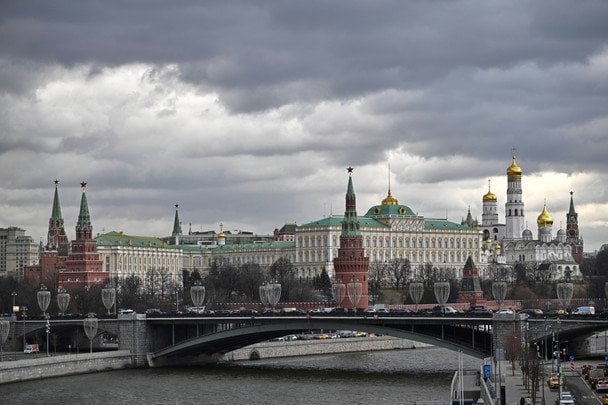
Kremlin spokesman Dmitry Peskov reiterated Russia's demand for a complete withdrawal of Ukrainian forces from the Donbas, signaling no shift in its core position. Moscow's expansionist ambitions, however, extend further to include the Kharkiv, Dnipropetrovsk, Mykolaiv, and Odesa regions, indicating a potential plan to widen its zone of control. Officials in Russia's State Duma have expressed dissatisfaction with any potential agreements that would freeze the current front lines in southern Ukraine. This posture, as noted in an Institute for the Study of War (ISW) report, appears designed for domestic Russian consumption.
Russia's Diplomatic Efforts
Concurrently, Russian negotiators in Abu Dhabi have been authorized to demand resolutions on the strategic and political issues Russia outlined at the start of its full-scale invasion. Diplomat Grigory Karasin noted that these demands could significantly shape future talks. Russian Foreign Minister Sergey Lavrov emphasized that Moscow's goals in Ukraine extend beyond the territory currently under discussion in the latest peace plans, a statement that points to a risk of further escalation.
Thus, the slowing of Russia's military offensive is being paired with an intensification of diplomatic pressure through new demands on Ukraine and NATO, a combination that could alter the conflict's trajectory. The war in Ukraine remains a critical test of the international security order established after the Cold War.
The situation in eastern Ukraine remains tense as Russia persists with its aggressive actions and ultimatums. Given recent statements from Russian officials, upcoming negotiations will be a crucial phase in determining the conflict's future. However, the Kremlin's stance suggests a readiness to escalate if its demands are not met, underscoring the vital importance of sustained international support for Ukraine's sovereignty and territorial integrity.
Read also
- For the Second Consecutive Year, St. Petersburg Cancels Its Main Navy Day Parade — Here’s Why
- Lavrov Arrives in Minsk: Could Security Coordination Be on the Agenda?
- Lavrov issues statement on European diplomat visits and U.S. agreements
- UK, France, and Germany Unite Behind Ukraine as Kremlin Shows No Interest in Talks
- Four Theories Behind the Disappearance of Russia’s Central Bank Chief from Public View
- Key Condition for Talks with Russia Revealed by Former U.S. Ambassador: Will Moscow Shift Its Stance?