Russia's New 'Firefighting' Unit at Zaporizhzhia Nuclear Plant: A Potential Conscription Tool.

Conscription Concerns Under Occupation and the ZNPP's Safety
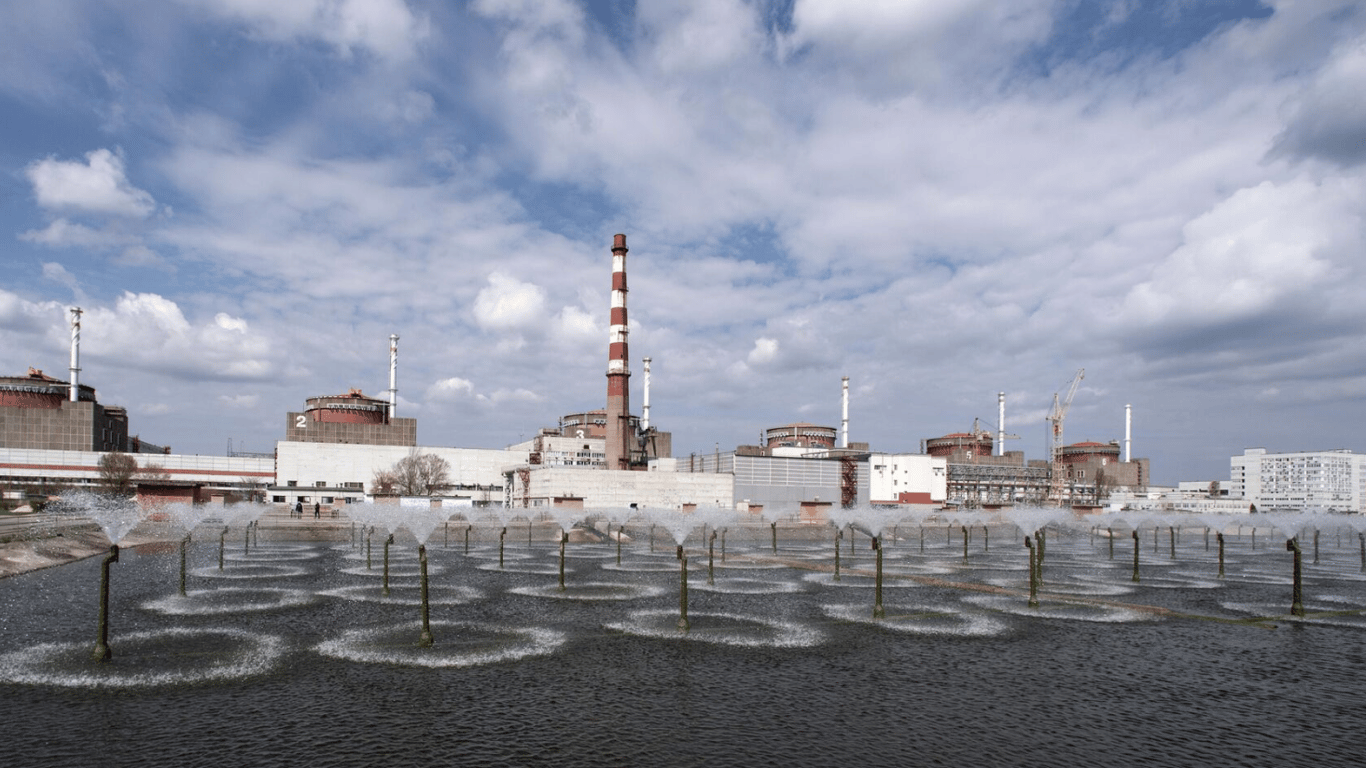
According to Novyny.live: Russia intends to establish a new firefighting unit for the 'protection' of the Zaporizhzhia Nuclear Power Plant (ZNPP), a move analysts suggest could serve as a fresh mechanism for conscripting men in the occupied territories. According to available information, Russia plans to recruit 211 personnel into this unit under the Federal Fire Service of its Ministry of Emergency Situations (MES), with its formation scheduled over the next two years. The ZNPP, Europe's largest nuclear facility, has been under Russian military control since March 2022, raising persistent international safety concerns.
This initiative comes amid reported severe staffing shortages in the region's emergency services, with a deficit of approximately 20% in Zaporizhzhia Oblast and over 51% in neighboring Kherson Oblast. These shortages highlight the difficulties in maintaining essential personnel under occupation. Furthermore, plans to assign up to 5,000 conscripts annually to firefighting units across the occupied territories could significantly impact the local male population and conscription dynamics.
The safety of the nuclear plant remains precarious. In January, the facility lost connection to one of its high-voltage power lines due to Russian shelling, underscoring the ongoing risks to its operational integrity. Ukrainian President Volodymyr Zelenskyy has firmly stated the country's position, declaring,
"The country will not agree to the transfer of Donbas to Russia or the Zaporizhzhia NPP", which further intensifies the strategic standoff surrounding the plant.
Regional Repercussions
The creation of this specialized fire unit in Zaporizhzhia Oblast appears to be part of broader Russian efforts to consolidate control over critical infrastructure amidst active hostilities. While framed as a safety measure for the vulnerable nuclear station, the recruitment drive is also likely to affect the demographic landscape of the region. The conscription of men under occupation could exacerbate population decline and deplete the labor force necessary for any future post-conflict recovery, compounding the humanitarian impact of the war.
Read also
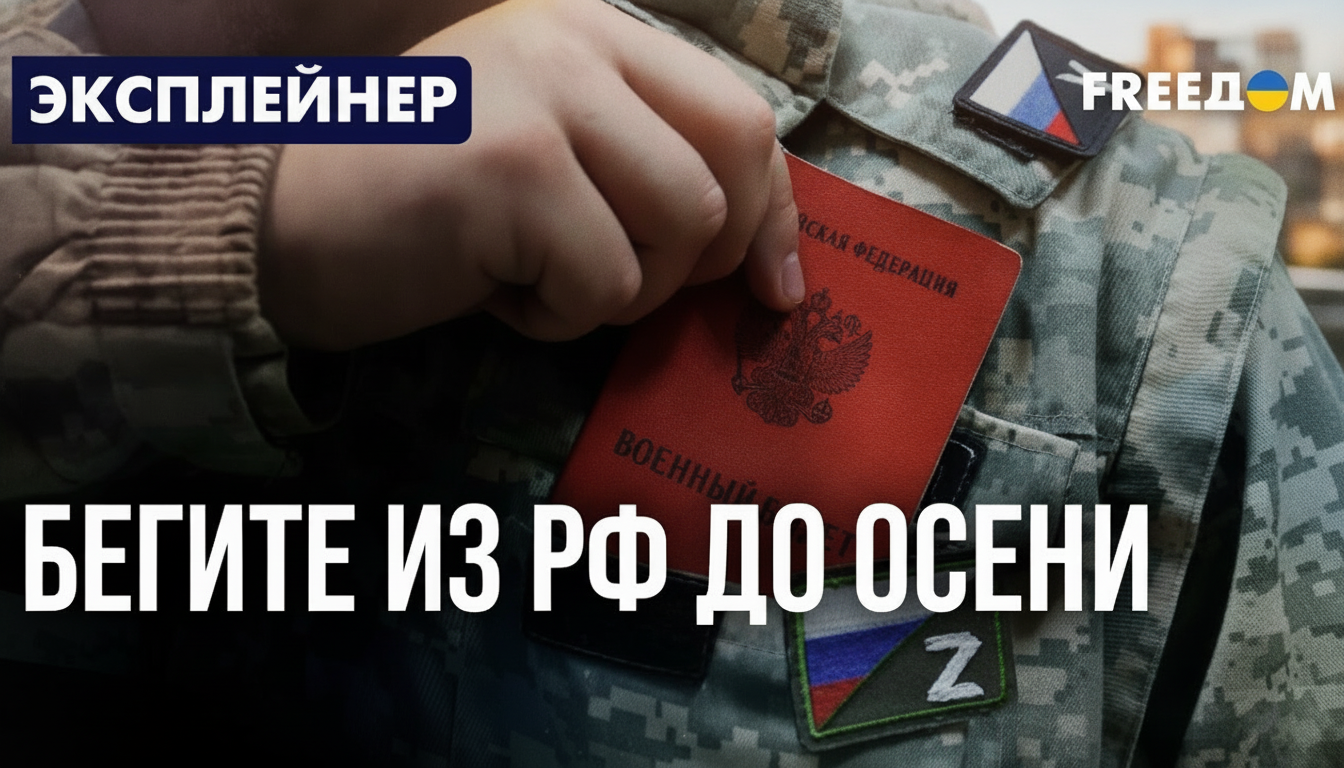
- Kremlin Plans to Draft Over 500,000; Men of Conscription Age Advised to Leave Russia Before Autumn
- What Ukraine’s Zelensky and Britain’s New PM Discussed in Their First Call
- New job in the Security Council rejected: Former Defense Minister wants to return to old office
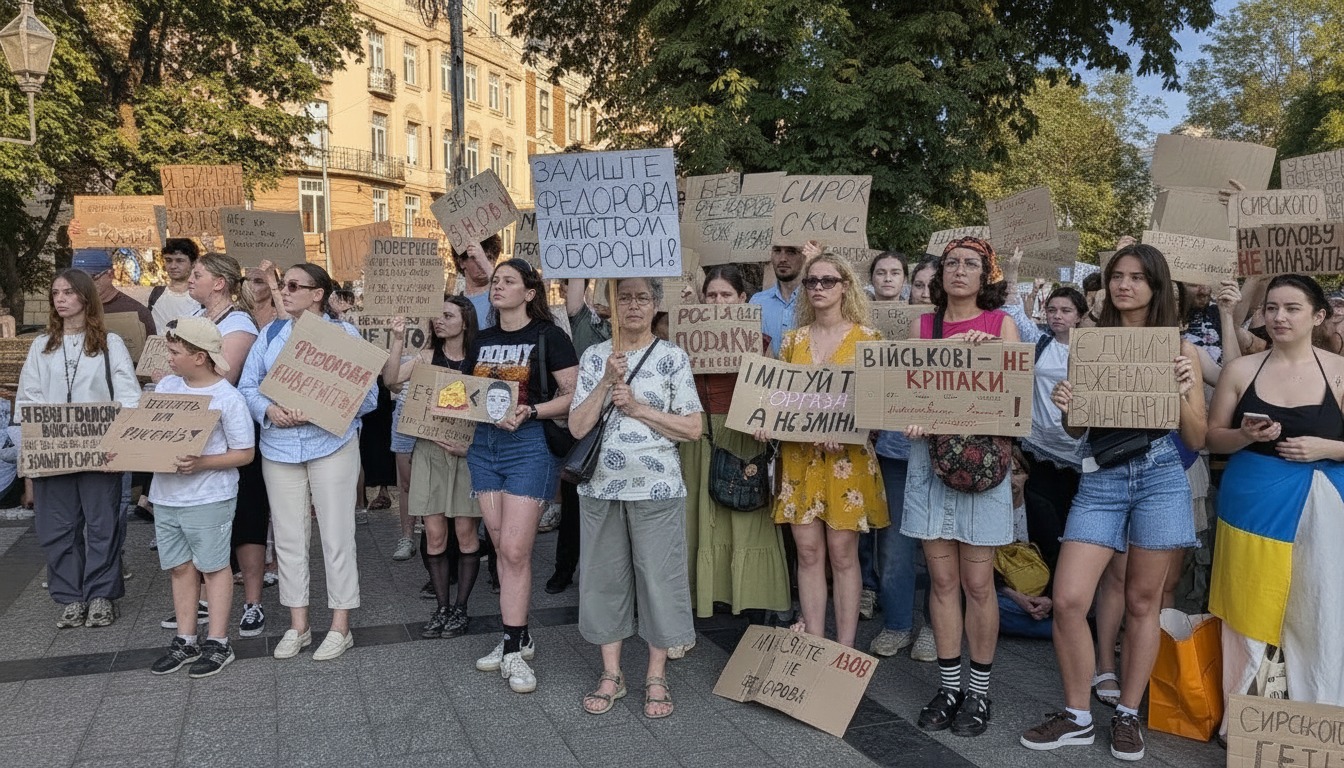
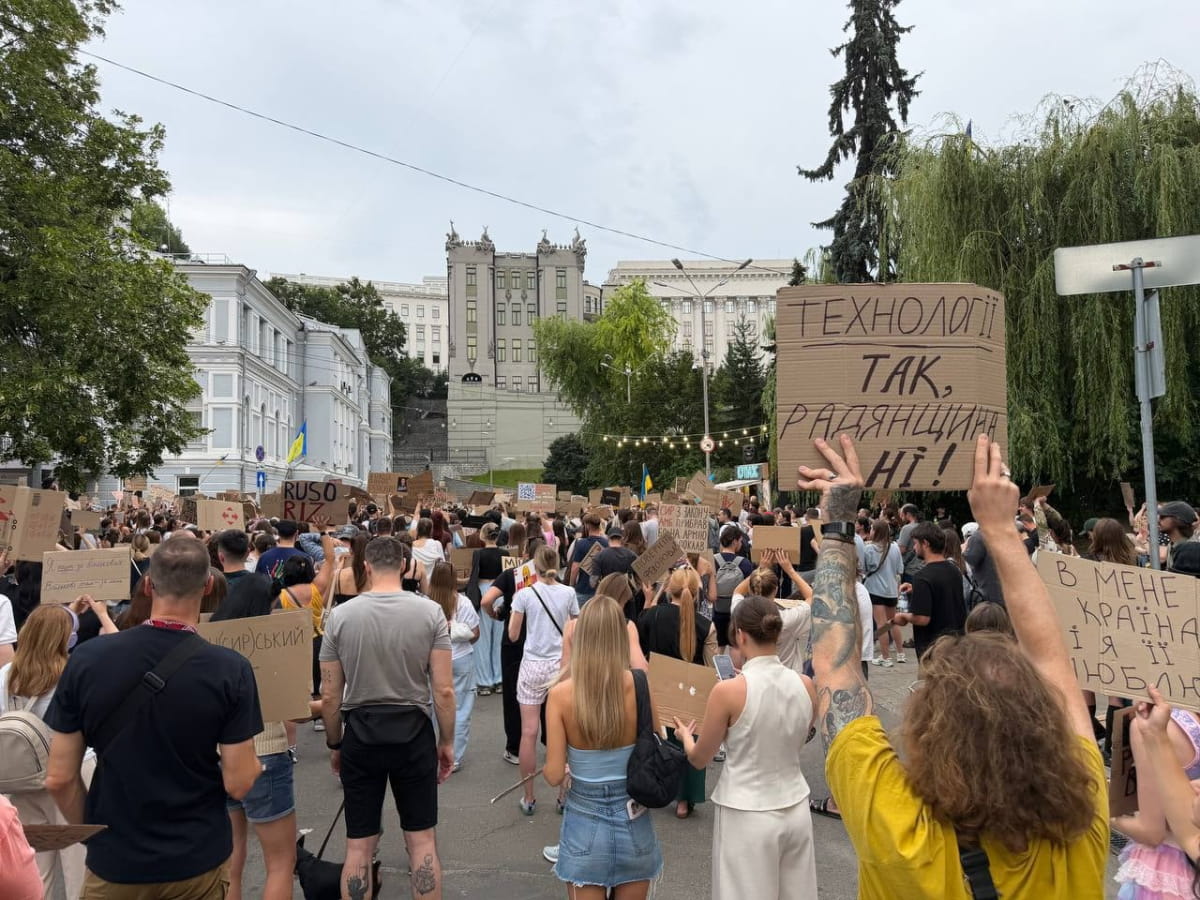
- Zelenskyy Offers Fedorov a Role on Ukraine's National Security Council Amid Protests in 16 Cities
- EU readies 21st sanctions package targeting 90 Russian banks and crypto platforms
- Military Strategy Meeting: Zelenskyy Holds High-Level Talks with Top Commanders