Fuel Crisis Grips Russia: Public Transport Restricted in 12 Regions as Gasoline Runs Short.

Russia's Fuel Crisis Deepens
According to UATV: A severe fuel shortage is disrupting public transportation across 12 Russian regions, leading to long queues at gas stations and rapidly rising prices. The scarcity of gasoline has forced authorities to impose restrictions on transport services. In response, the Russian government has introduced measures aimed at stabilizing fuel supply.
Prime Minister Mikhail Mishustin signed a decree authorizing the production of gasoline with reduced sulfur content. This move is intended to keep fuel flowing to the population and transport sector, despite quality concerns. Additionally, Moscow has begun purchasing fuel abroad, including importing aviation kerosene from Japan.
Impact on Military Capabilities
A key factor behind the crisis is the reported destruction of over 42% of Russia's oil refining capacity, according to the General Staff of the Armed Forces of Ukraine. This underscores that the fuel shortage is not just an economic issue but also a strategic vulnerability for the country.
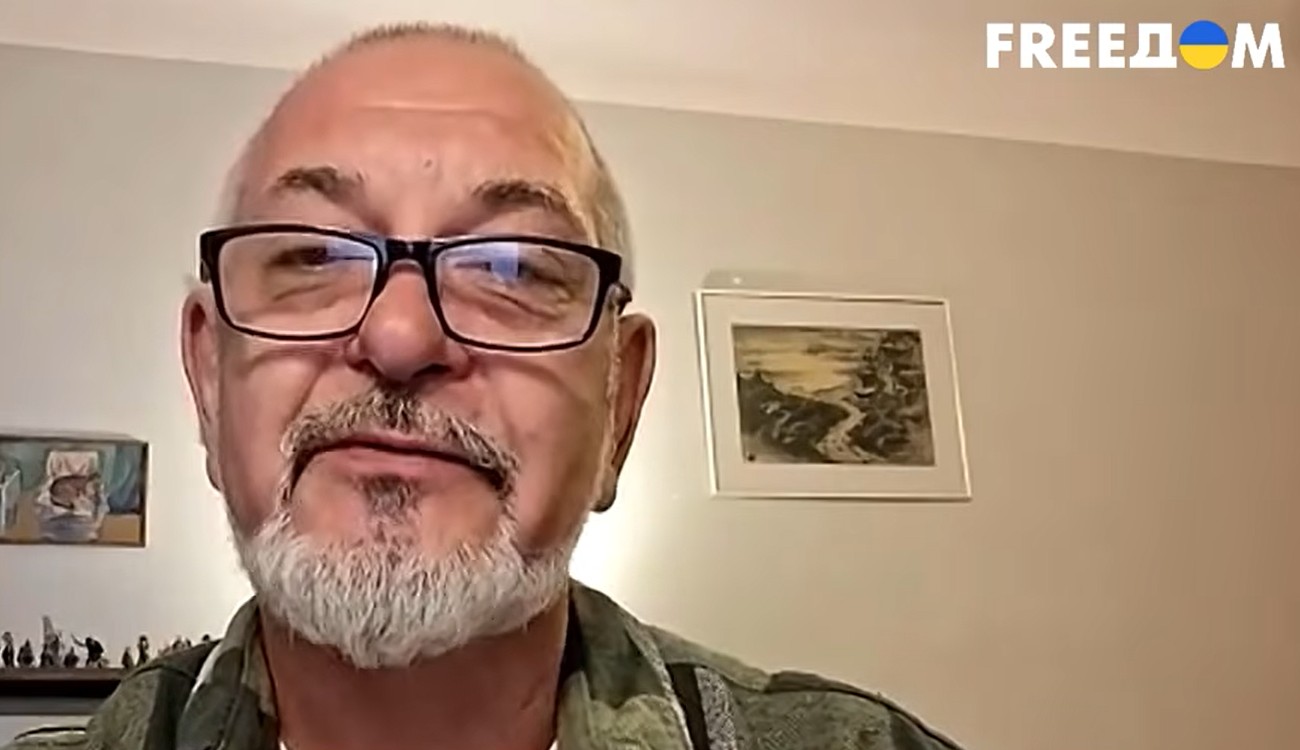
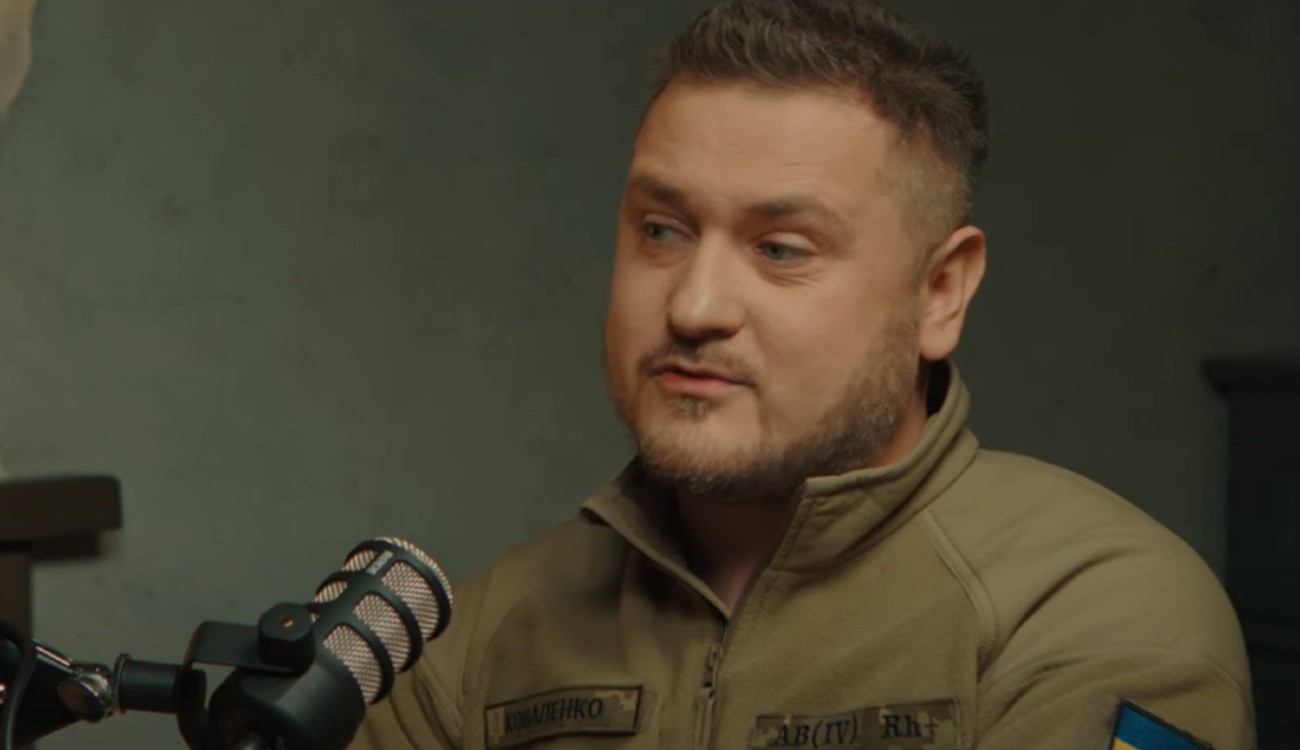
These developments unfold against the backdrop of ongoing hostilities in Ukraine. Andriy Kovalenko stated,
'In reality, it was Russia that began launching airstrikes on Ukraine in 2022, and had already committed aggression back in 2014.'He added,
'At some point, our strikes will become more massive and daily—not just for Russian regions as they are now, but for Moscow as well.'This highlights how Ukraine's conflict and Russia's internal problems are intertwined, creating additional challenges for the country.
The fuel crisis in Russia underscores both the economic difficulties and the strategic challenges the nation faces amid the ongoing war. Supply restrictions could affect Russia's military operations and worsen the social situation domestically. Government responses, such as importing fuel from other countries, signal the severity of the crisis and the urgent need to address disruptions linked to the conflict in Ukraine.
Read also
- Fuel Crisis in Russia: Public Transport Halted in 12 Regions Due to Gasoline Shortage
- A Shift in Russian Opinion: 40% Now Back a Nuclear Strike in 2026
- Russia breaks military agreements with 11 NATO countries: what this means
- Putin suddenly spoke about a possible successor
- Smiling and shaking hands. UN Secretary-General met with the Prime Minister of the RF
- Russia Strengthens Economic Cooperation with Iran - ISW