Fuel Crisis in Russia: Public Transport Halted in 12 Regions Due to Gasoline Shortage.

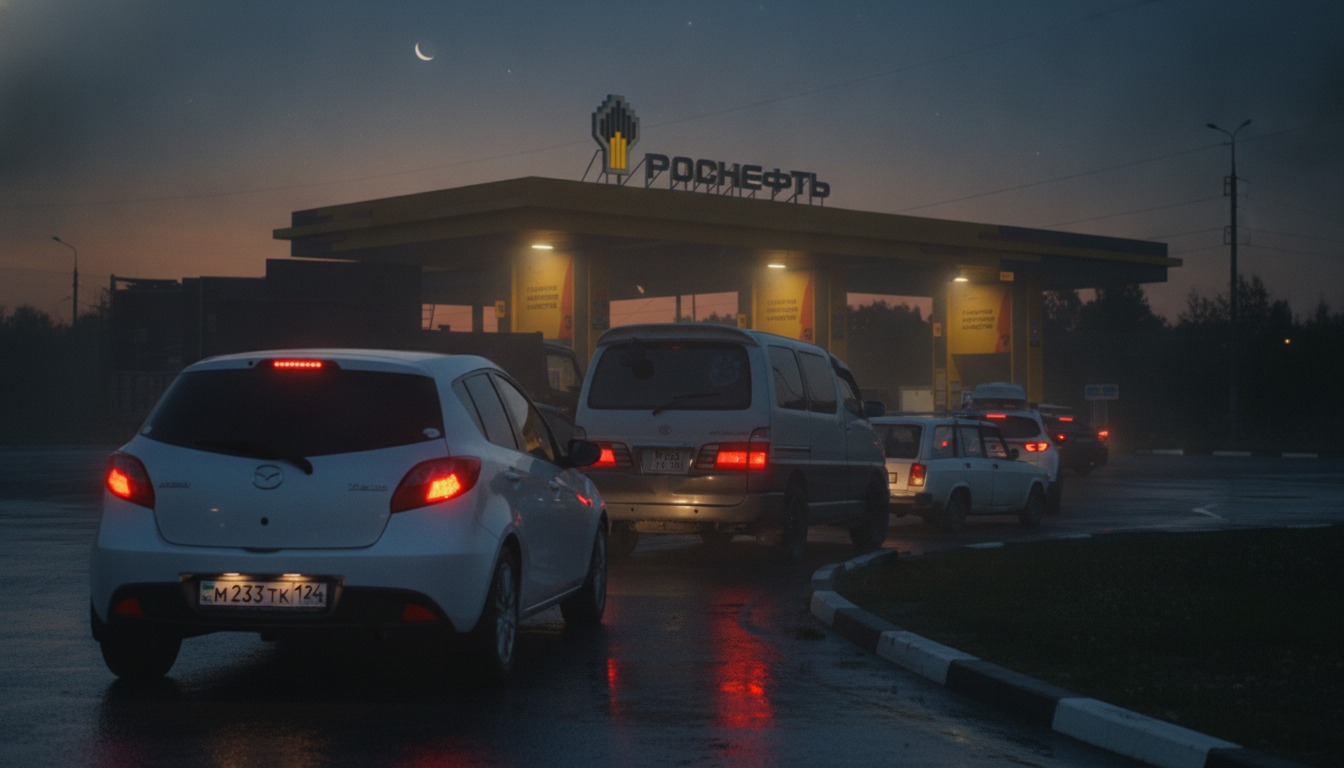
Russia's Fuel Emergency
According to UATV: A severe fuel crisis is unfolding across Russia, already disrupting public transportation in a dozen regions. Faced with a gasoline deficit, local authorities have been forced to impose restrictions on transport services, making it harder for citizens to get around. This situation is accompanied by a sharp spike in fuel prices and limits on fuel sales.
In Novorossiysk, gas stations have run completely dry—on July 3, every station in the city had no gasoline available, offering only diesel fuel. Meanwhile, the Kapotnya refinery is expected to remain idle at least until the end of the year, and the Ryazan oil refinery shut down operations on June 15. The Kstovo refinery has been offline since a strike on June 24.
These disruptions have triggered a significant rise in gasoline prices, which in 12 Russian regions now exceed the cost of fuel in the United States. For example:
- Kalmykia: 80.50 rubles per liter,
- Kabardino-Balkaria: 81.24 rubles,
- Kamchatka: 85.5 rubles,
- Dagestan: 89.5 rubles,
- Tuva: 97 rubles.
Since the start of June, gasoline prices have climbed by over 6.5%, marking the steepest monthly increase since 2009.
Government Response and Expert Opinions
In the Trans-Baikal region, a state of heightened alert was declared on June 25, underscoring the gravity of the crisis. Russian Prime Minister Mikhail Mishustin signed a decree allowing the production of gasoline with lower sulfur content standards, a move that suggests authorities are trying to ease the shortage by relaxing fuel quality requirements.
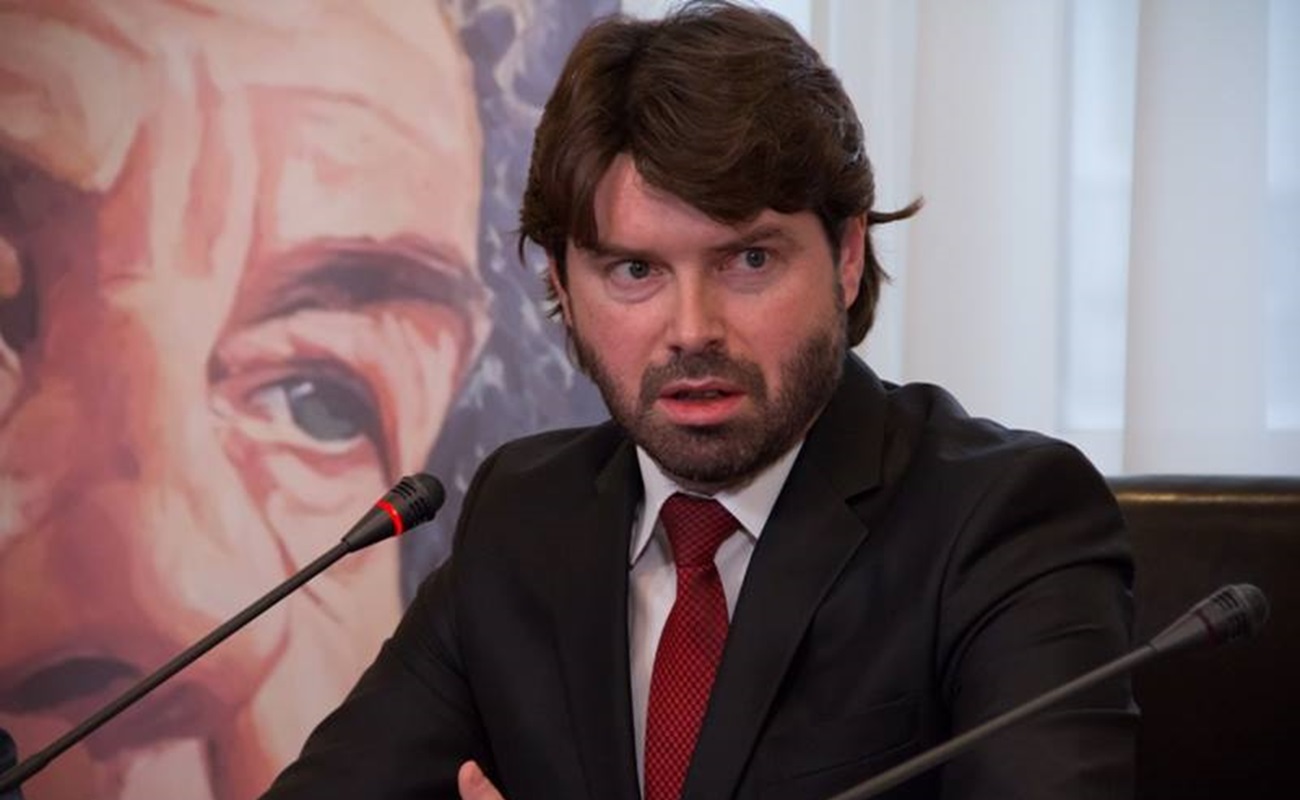
Academician Onishchenko remarked that 'the fuel crisis has a positive effect on Russians.'
Expert views on the matter are divided. Ivan Us warned of potential escalation: 'Russia is heading into a situation where fuel is running out... my forecast is that by the end of August, there will be fights involving firearms.'
The unfolding fuel crisis in Russia could have far-reaching consequences for the country's economy and social stability. Rising gasoline prices will not only affect transportation but also drive up the cost of other goods and services, potentially eroding household purchasing power. At the same time, restrictions on fuel sales are fueling public anxiety, as people brace for added daily hardships. Although the government has begun implementing measures, their effectiveness remains uncertain, raising the risk of further social unrest and tensions within society.
Read also
- Fuel Crisis Grips Russia: Public Transport Restricted in 12 Regions as Gasoline Runs Short
- A Shift in Russian Opinion: 40% Now Back a Nuclear Strike in 2026
- Russia breaks military agreements with 11 NATO countries: what this means
- Putin suddenly spoke about a possible successor
- Smiling and shaking hands. UN Secretary-General met with the Prime Minister of the RF
- Russia Strengthens Economic Cooperation with Iran - ISW