Kremlin Rejects Peace Plans, Demands Recognition of Seized Ukrainian Lands.

Peace Plan Stalemate and Territorial Control
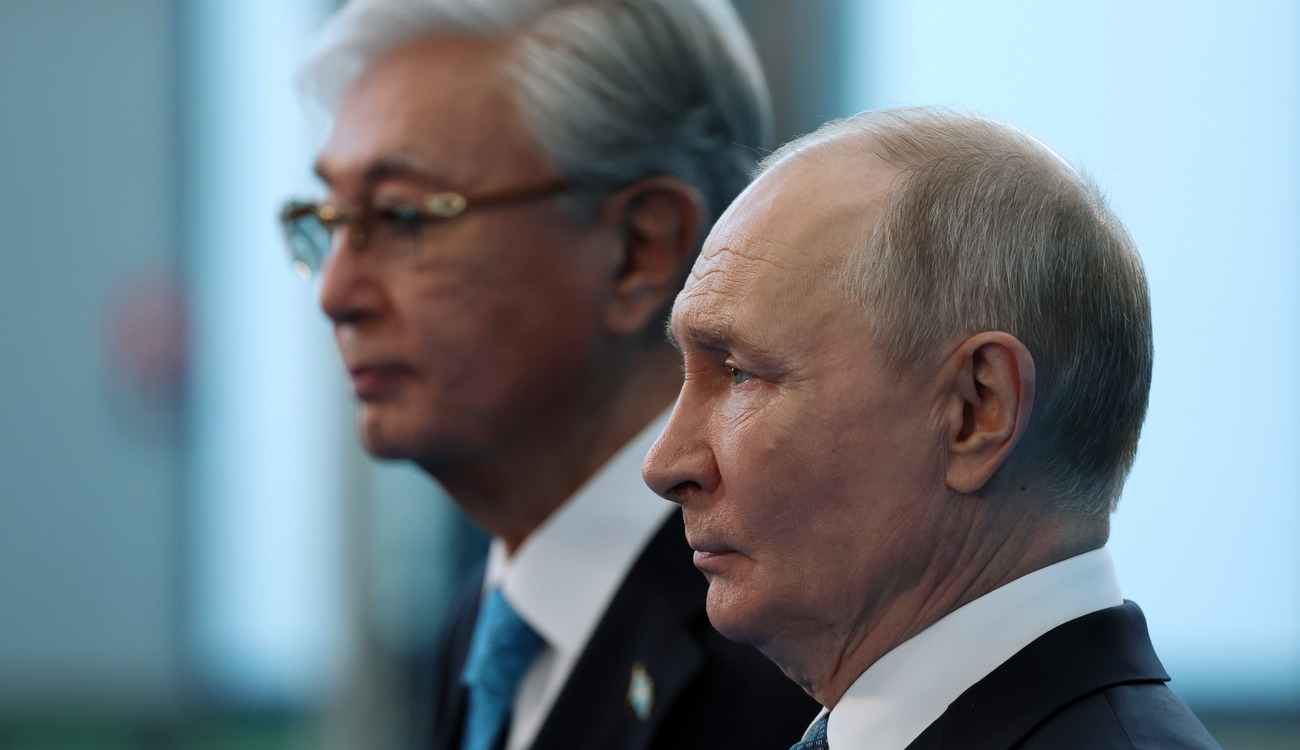
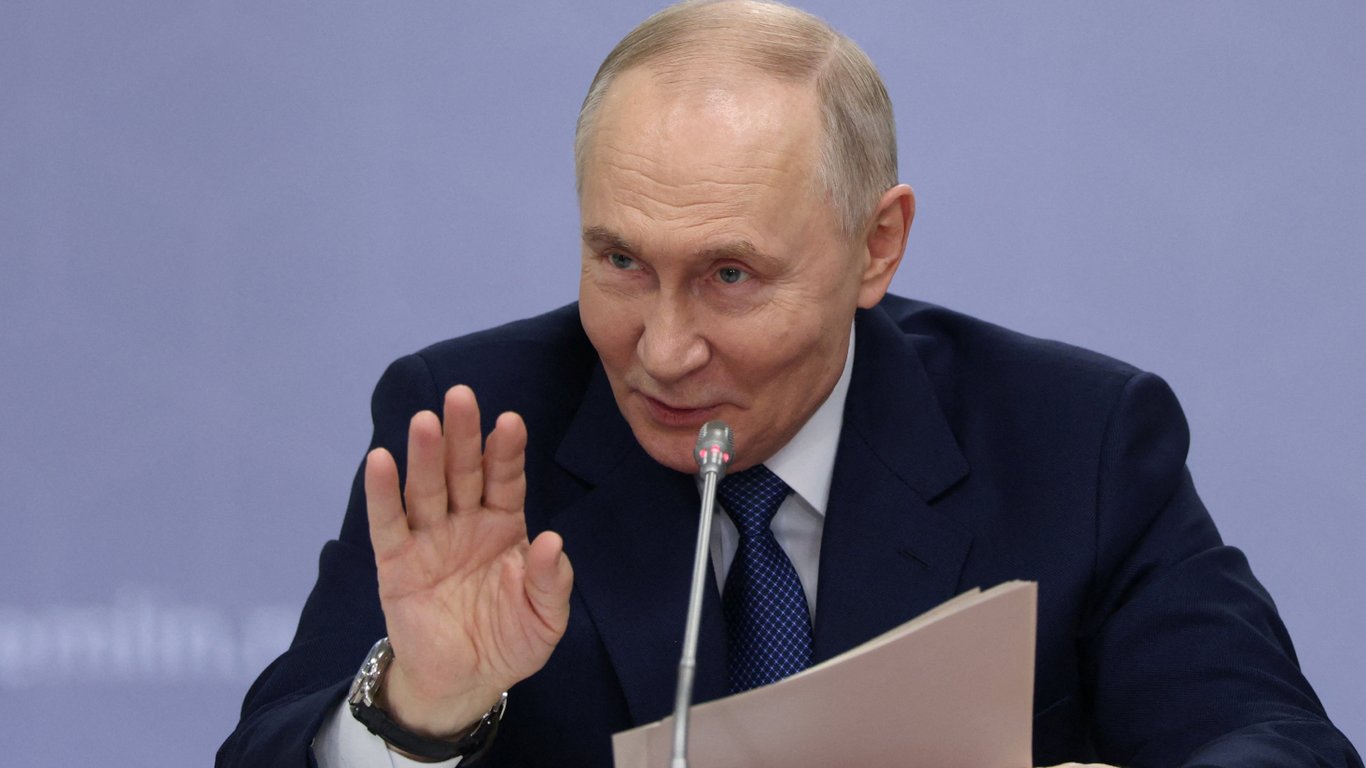
According to Novyny.live: Despite receiving peace proposals from both the United States and Ukraine, Russian authorities show no willingness to compromise in the war. The Kremlin maintains maximalist demands, insisting on international recognition of its control over occupied territories. In early January 2023, President Vladimir Putin received a draft peace plan from Kirill Dmitriev, but Russia's position requires global acknowledgment of its sovereignty over Crimea and other seized Ukrainian lands. This stance is a major obstacle, as the international community widely condemns Russia's 2014 annexation of Crimea as illegal.
Dmitry Medvedev, Deputy Chairman of Russia's Security Council, asserted that Russia is
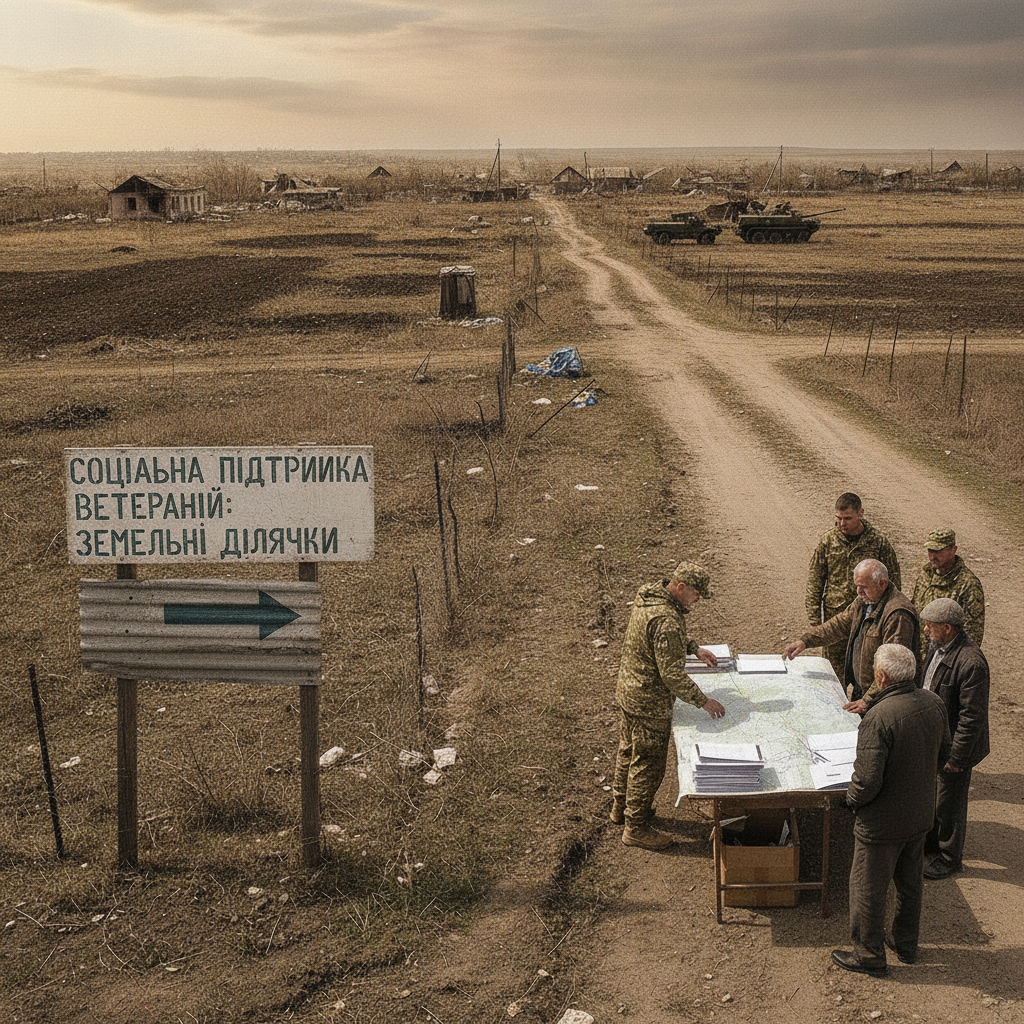
'reclaiming its own lands'in Ukraine, underscoring the Kremlin's territorial claims. Russia points to pseudo-referendums it conducted in 2022 in the occupied regions of Luhansk, Donetsk, Zaporizhzhia, and Kherson as legitimizing its control. Meanwhile, the United States proposed a 28-point peace plan that would have preserved Russia's occupation of Crimea and parts of those four regions, but the Kremlin has rejected this initiative.
Unwillingness to Make Concessions in Negotiations
The Kremlin also opposes the involvement of foreign military contingents in post-war security guarantees for Ukraine, signaling a broader refusal to make concessions at the negotiating table. Consequently, Russia remains dissatisfied with the U.S. and Ukrainian peace plans and continues its attempts to seize new Ukrainian territory, despite international efforts to resolve the conflict. This intransigence complicates diplomatic efforts and prolongs the war's devastating human and economic costs.
The situation surrounding a potential peace settlement between Russia and Ukraine remains highly tense. The Kremlin's rejection of compromises demonstrates its determination to retain control over occupied lands, severely hindering the prospects for meaningful negotiations. Under international pressure and amid peace proposals, Russia's position risks further escalation of a conflict with serious consequences not only for Ukraine but for regional and global security.
Read also
- Russia Claims Capture of Kostiantynivka; Zelenskyy and Military Dismiss It as a Hoax
- September Elections in Russia: How War Veterans Are Being Positioned as the New Political Elite
- Poland Revokes Zelenskyy's Order: Reactions from Sikorski and Medvedev
- Russian Drone Strikes a Residential Building in Romania: Is NATO Ready for a New Threat?
- No New Mobilization in Russia, Says Peskov: What It Means for Ukraine
- Estonia Faces Hybrid Warfare Threat as Kremlin Targets Russian-Speaking Narva