








Estonia Faces Hybrid Warfare Threat as Kremlin Targets Russian-Speaking Narva.

Estonia, Narva, hybrid war of Russia

Hybrid Danger Looms Over Narva

According to TSN.ua: Located on Estonia’s eastern border, Narva is a city where 85% of residents are Russian-speaking and a third hold Russian passports. This demographic reality makes it a prime target for hybrid threats from Moscow. As tensions escalate across the region, local lawmakers and military analysts are examining potential scenarios for aggression from Russia, with Narva emerging as a key flashpoint.

The vulnerability of this border town is compounded by its economic challenges. Deputy Denis Larchenko highlighted the difficulty of attracting investment, stating:

“When the information space is saturated with such content, it becomes much harder to bring in investment.”
This underscores how external narratives and foreign policy can directly undermine regional economic stability.

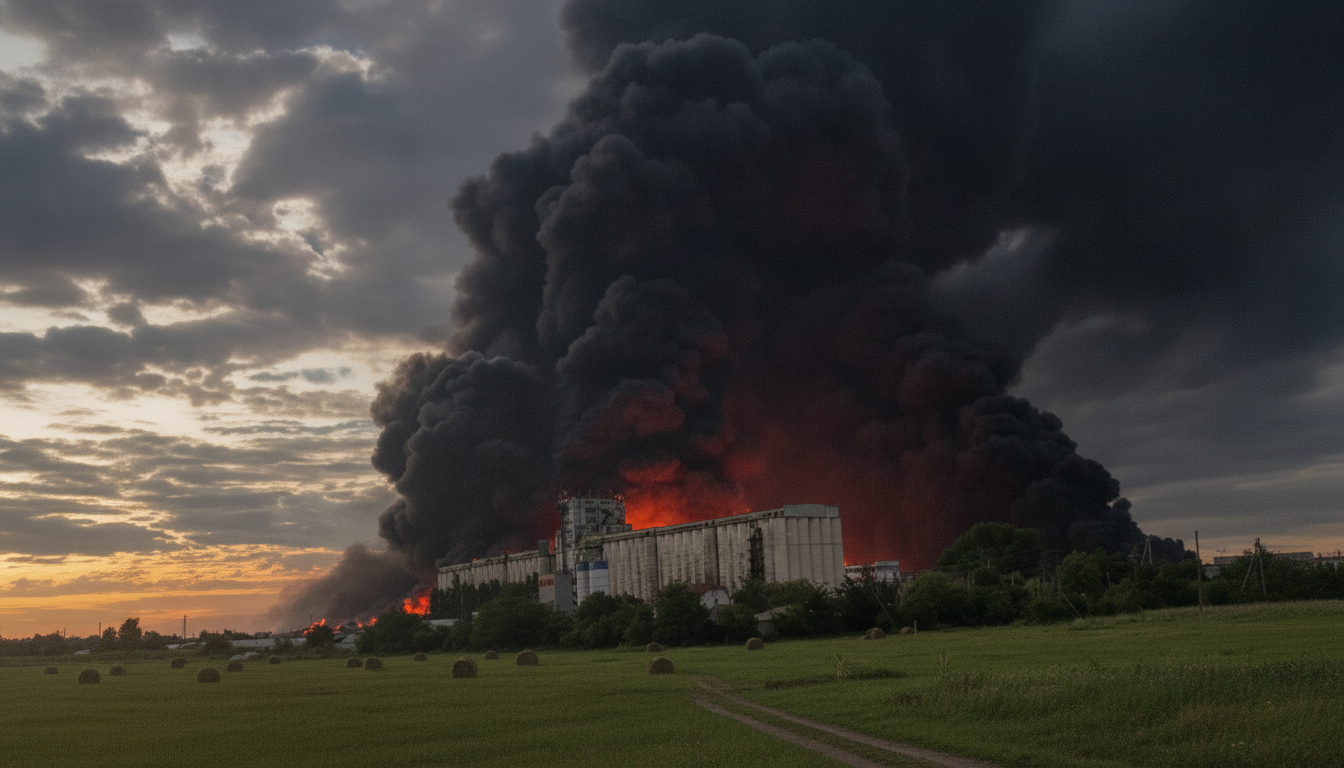
Recent months have seen a clear uptick in tensions. Russian drones struck the largest oil hub on the Baltic coast, alarming military experts monitoring the area. Additionally, the 'Zapad-2025' joint exercises involving Russian and Belarusian forces have heightened anxiety among neighboring countries, including Estonia.

Discussing the nature of the threat, analyst Oleksandr Musiienko noted:

“It’s not about them [the Russians] launching an operation with 500,000 troops heading to the Baltics right now.”
This suggests that while a full-scale military invasion is not imminent, hybrid warfare tactics remain a pressing concern for the region.

Another critical issue is the potential for separatist sentiment, which may be fueled by external actors. According to the organization 'Propastop', 'this separatist narrative did not emerge from the views or attitudes of Estonia’s Russian-speaking community, but was imposed from outside.' This highlights the need for robust information security and counter-disinformation strategies.

Experts also point to political statements that could inflame tensions, such as Dmitry Medvedev’s claim that 'Estonia belonged to Russia just like Donbas did.' Such rhetoric can sway local public opinion toward the state and its policies, further destabilizing the situation in Estonia.

In summary, the situation in Narva and the broader hybrid warfare threat from Russia demand vigilant attention and decisive action from Estonian authorities and the international community. In a shifting geopolitical landscape, ensuring stability and security in the region requires coordinated efforts at all levels.

Social Cohesion and Countering Disinformation

The challenges in Narva highlight the complexity of Estonia’s domestic politics, where ethnic and linguistic factors can serve as a basis for external interference. To address this, the Estonian government must implement measures to strengthen social cohesion and combat disinformation that could undermine regional stability. Key steps include:

  • Developing educational programs aimed at integrating diverse cultures.
  • Reducing the influence of separatist sentiments.

Read also

Advertising