Russia Marks Invasion Anniversary with Nuclear Allegations Against the West.

Four Years Since the Full-Scale Invasion Began
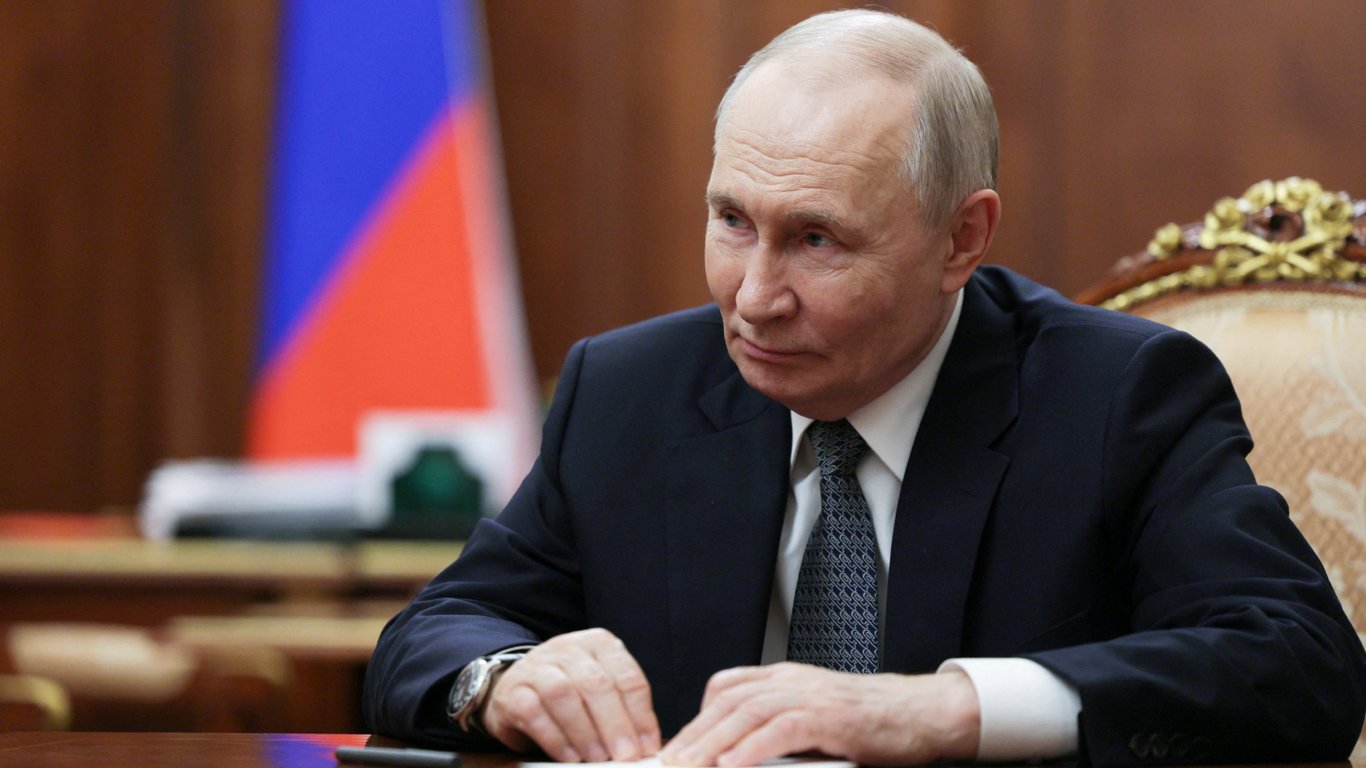
According to Novyny.live: On February 24, 2024, the fourth anniversary of Russia's full-scale invasion of Ukraine, the Kremlin largely ignored the milestone and the lack of battlefield progress. Instead, officials focused on a new claim that Great Britain and France might supply Ukraine with a nuclear 'dirty bomb'. This narrative shift is a familiar tactic in Russian state media, designed to deflect from military setbacks.
Russian intelligence asserts that these nations are allegedly attempting to provide Ukraine with such dangerous armaments. Senior Russian officials have condemned these purported actions as unacceptable and escalatory, claiming they pose a direct threat to Russia's security. Adding to the rhetoric, former President Dmitry Medvedev stated that Russia should be prepared to use nuclear weapons against Ukrainian targets and 'supplier states', emphasizing this could involve the use of 'non-strategic' systems.
The Persistent Nuclear Threat Narrative
The topic of a nuclear 'dirty bomb' has been a recurring theme in Russian discourse since 2022. Notably, in 2023, Maria Zakharova revived the claim, alleging such a device had been smuggled into the port of Odesa. The Kremlin's propaganda apparatus continues to leverage this unsubstantiated theme to justify its actions and heighten regional tensions.
By remaining silent on the stalled military campaign, Russia has pivoted to information attacks and accusations against Western nations. This strategy appears to be an attempt to divert public attention from critical domestic and international challenges facing the country.
The Kremlin's nuclear rhetoric underscores the persistently high tensions between Russia and Western countries, while also demonstrating Moscow's efforts to legitimize its actions on the global stage. The use of nuclear threat narratives in information campaigns may signal a Russian desire to amplify its influence and intimidation, particularly against the backdrop of a lack of significant military gains. It likely also reflects growing Kremlin anxiety over sustained Western support for Ukraine and its capacity to resist the aggression.
Read also
- Russia Claims Capture of Kostiantynivka; Zelenskyy and Military Dismiss It as a Hoax
- September Elections in Russia: How War Veterans Are Being Positioned as the New Political Elite
- Poland Revokes Zelenskyy's Order: Reactions from Sikorski and Medvedev
- Russian Drone Strikes a Residential Building in Romania: Is NATO Ready for a New Threat?
- No New Mobilization in Russia, Says Peskov: What It Means for Ukraine
- Estonia Faces Hybrid Warfare Threat as Kremlin Targets Russian-Speaking Narva