The Russian real estate market has fallen: mortgage rates have risen to 20% per annum.

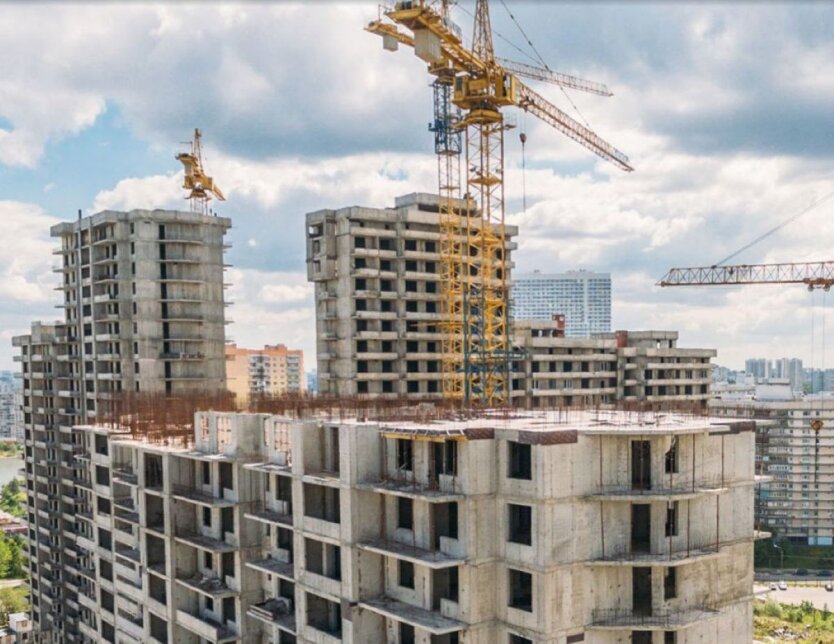
Decline in Developers' Revenues in Russia
According to inkorr.com: In Russia, the revenue of development companies from January to September 2025 decreased by 8% compared to the previous year, amounting to 2.9 trillion rubles. This is the first decline since the 'mortgage boom' in the country, according to the Center for Countering Disinformation.
Sales and New Projects
Sales volumes also fell by 17%, totaling 14.4 million square meters. The mass segment of residential construction was hit the hardest, while the number of new projects decreased by 19%. This indicates that developers have lost confidence in future demand due to the high cost of mortgage loans.
The main reason for the crisis is the high cost of mortgage lending. Interest rates on mortgages exceed 20% per annum, despite the reduction of the key rate by the Central Bank of Russia. Under these conditions, purchasing housing becomes unaffordable for the average Russian families.
Systemic Problems in the Economy
The crisis in the housing construction sector points to deep problems in the Russian economy amidst rising military expenses and decreasing real incomes of the population. This may lead to even more negative consequences for employment in regions where the construction sector plays a key role in the economy.
High mortgage rates exceeding 20% per annum make access to housing difficult for the population, resulting in decreased activity in the real estate market and possible structural problems for the country's economy.
Thus, the situation in the Russian real estate market raises serious concerns. The decline in revenue and the reduction in sales volumes indicate that developers are facing new challenges. The high cost of mortgage lending and overall economic problems may have far-reaching consequences for the lives of citizens and the stability of regional labor markets.
Read also
- Trump Says Talks Possible as Oil Prices Crash After US and Iran Halt Attacks
- Sanctions Disguise Airline Bankruptcies as Rostec Plans a Restructuring of Russian Aviation
- Drone Strikes on CPC Terminal Drive Kazakhstan's Daily Oil Output Down to 133,200 Metric Tons
- Partial Restoration of Gasoline Output at Russian Refineries After Drone Strikes: 30-40% Capacity Recovered, but Full Repair Deemed Unlikely
- New U.S. Tariffs Hit 60 Nations: Here Are the Rates for the EU and Russia
- Russia’s Oil and Gas Revenue Set to Surge by 60%—Here’s What’s Driving the Jump