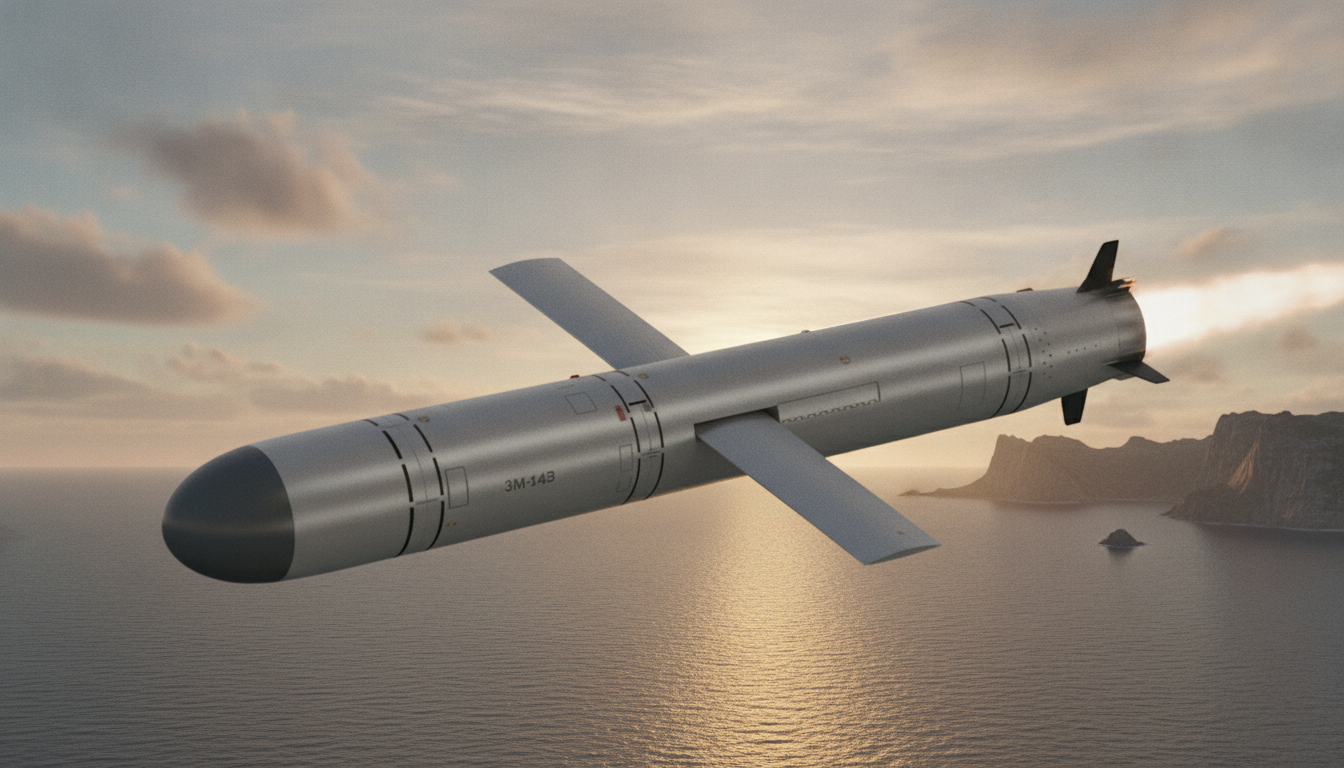
Russian Kalibr Missiles Now Equipped with Cluster Warheads and Relying Again on Foreign Electronics.

Shifts in Kalibr Missile Design
According to UATV: Since the start of the full-scale invasion, the Russian Kalibr cruise missile has undergone notable modifications. On June 9, 2023, Ukraine’s Ministry of Defense reported that missiles downed in the spring of that year contained a cluster warhead for the first time—a clear sign of evolving Russian military technology.
Ongoing Dependence on Imported Parts
Between 2023 and 2024, Russia made efforts to shift toward domestically produced components for the Kalibr. However, analysis of a missile shot down in 2025 revealed that its onboard digital computer still relied on imported parts. This indicates that the country remains dependent on foreign technology for missile production, despite attempts to achieve self-sufficiency.
In May 2023, Ukraine’s defense forces intercepted 11 Kalibr cruise missiles over Ukrainian territory. These interceptions highlight both the effectiveness of Ukrainian air defense and the continuous technological adjustments in Russian weaponry. The situation surrounding the Kalibr missile remains fluid and complex.
These developments in Russian Kalibr missiles—particularly the return to imported electronics and the introduction of cluster munitions—underscore the critical role of technological independence in modern warfare. Dependence on foreign components can affect production efficiency and the operational capabilities of Russian forces. Meanwhile, Ukraine’s countermeasures continue to evolve, reflecting the growing challenges its military faces in shaping its defense strategy.
Read also
- Speed Record Set by Bombardier Global 8000: Los Angeles to Farnborough in Just 8 Hours 46 Minutes
- A New Augmented Reality Platform Lets You Read and Build 3D Comics
- How Artificial Intelligence Is Unlocking Billions in Real Estate Value
- Ukraine’s Air Defense Gets a Boost: New 'Hot Dog' Drone Takes Down Over 300 Targets
- Windows That Generate Power Even at Night: A New Solar Innovation
- GE Aerospace’s Hybrid-Electric Aircraft Reaches 30,000 Feet in Key Test Flight