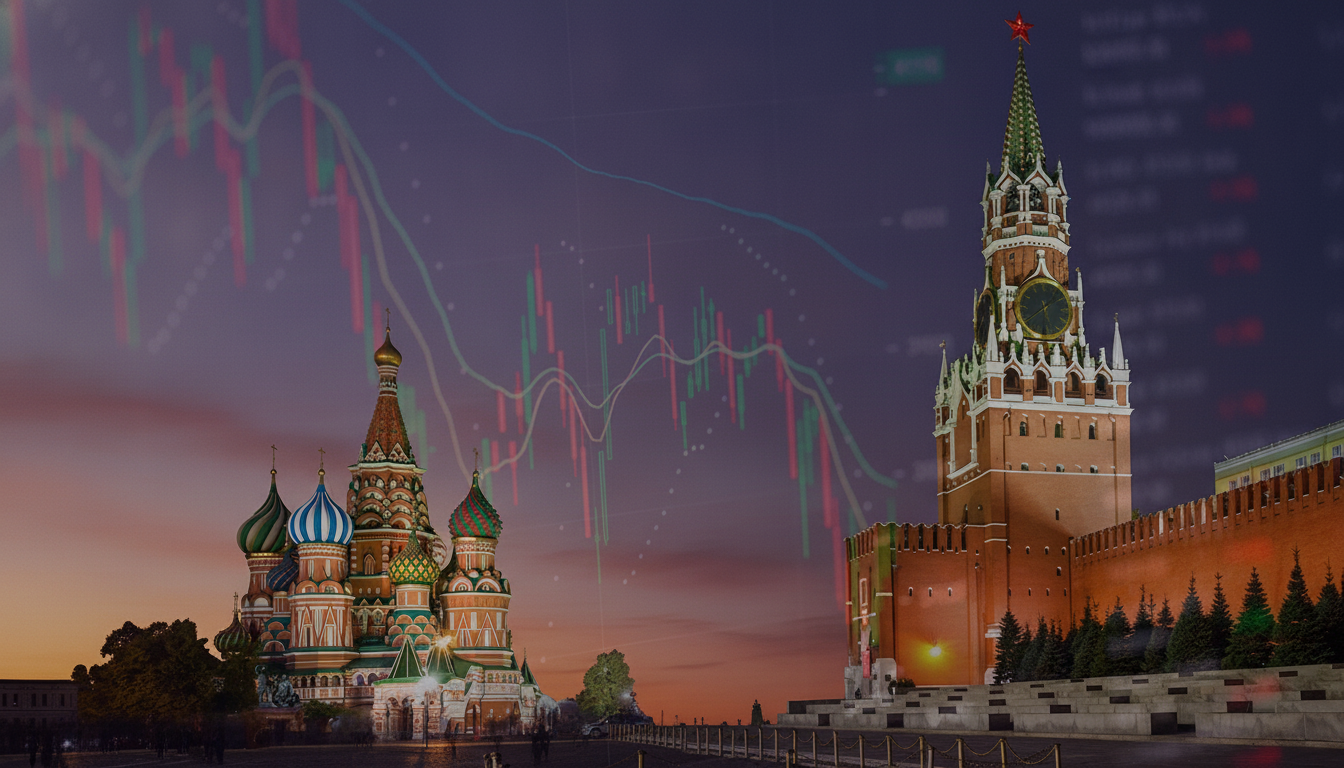
Russian Business in Sharp Decline as 60 Regions Enter Economic Danger Zone.

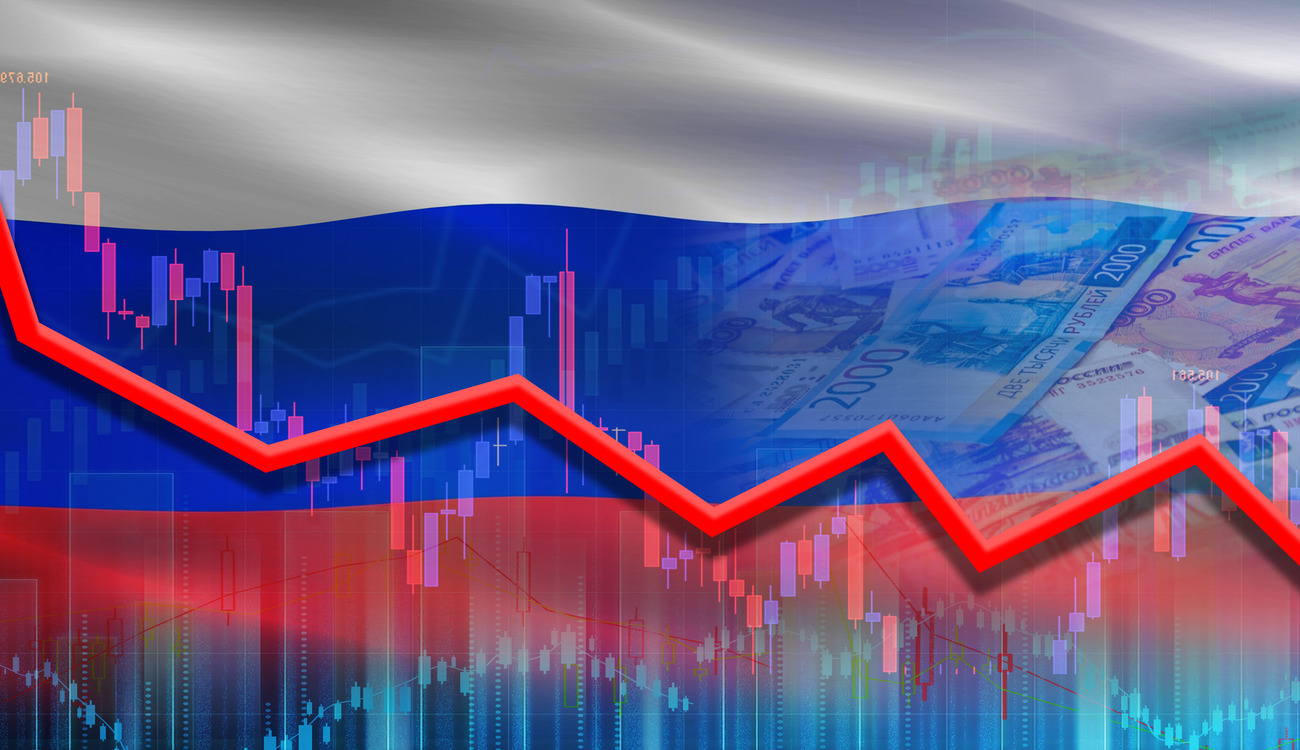
Russia's Economic Outlook
According to UATV: The Russian business sector is undergoing a severe contraction, with 60 of the country's regions now classified in a 'red zone' of low economic activity. This decline, driven by international sanctions and a domestic budget crisis, has resulted in a record number of company liquidations. In 2025, the number of dissolved legal entities reached 233,000, while new business registrations were only 173,000. The rate of business closures now exceeds the rate of new business formation by 26%, highlighting a deeply troubled commercial environment. This trend is a significant reversal for an economy that has long relied on state-supported enterprises.
Negative business activity is now being recorded across 60 Russian regions, including the major economic hubs of Moscow and St. Petersburg. This indicates that the economic strain is not confined to remote areas but is impacting the nation's core urban centers. Consequently, over half a million Russian citizens have been declared bankrupt, underscoring the severe financial distress affecting both businesses and households.
Causes and Consequences
The reasons for the shrinking number of companies are systemic in nature. Key factors include:
- A sharp increase in operational costs;
- High costs for credit and financing;
- Tighter enforcement of tax compliance;
- Chronic delays in payments from clients and the state.
While the projected inflation rate for 2026 is 9.3%, the actual rate of price increases has already hit 14.5%. These combined factors are severely damaging the business climate and the wider economy, pointing to profound challenges within the current Russian economic model.
The situation on the Russian market demonstrates that economic issues are becoming entrenched, stemming not only from external sanctions but also from deep-seated internal structural weaknesses. The rising cost of borrowing and operations, coupled with stricter tax discipline, creates additional hurdles for companies trying to survive. Observers are closely monitoring these trends for potential government measures aimed at stabilization, as the current trajectory threatens the country's long-term economic resilience.
Read also
- Russia Sets Record in Gold Sell-Off: What It Signals for the Economy
- Putin’s Economic Claims Exposed as Manipulation by Ukraine’s Disinformation Center
- Rheinmetall to Double Gunpowder Output: What This Means for Ukraine
- Azerbaijan Steps Up as Europe's Energy Alternative: Gas Deliveries to Germany Already Underway
- IMF Demands Utility Rate Hikes as Naftogaz Debt Surges 63%
- 12 Red Flags for Shell Companies Identified by Ukraine's Central Bank: Banks Ordered to Scrutinize Importers