Russian Drone Strikes Train in Mykolaiv, Injuring One.

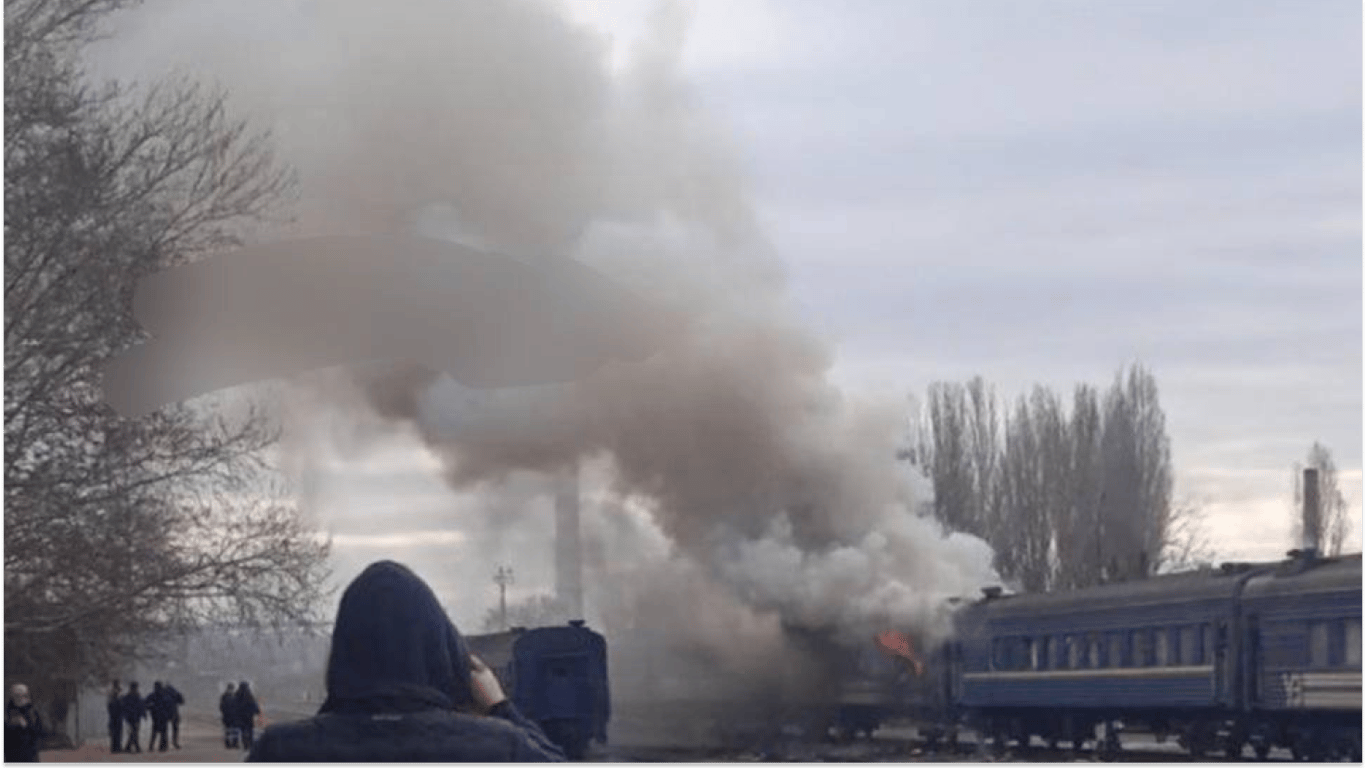
Drone Attack Targets Mykolaiv Region
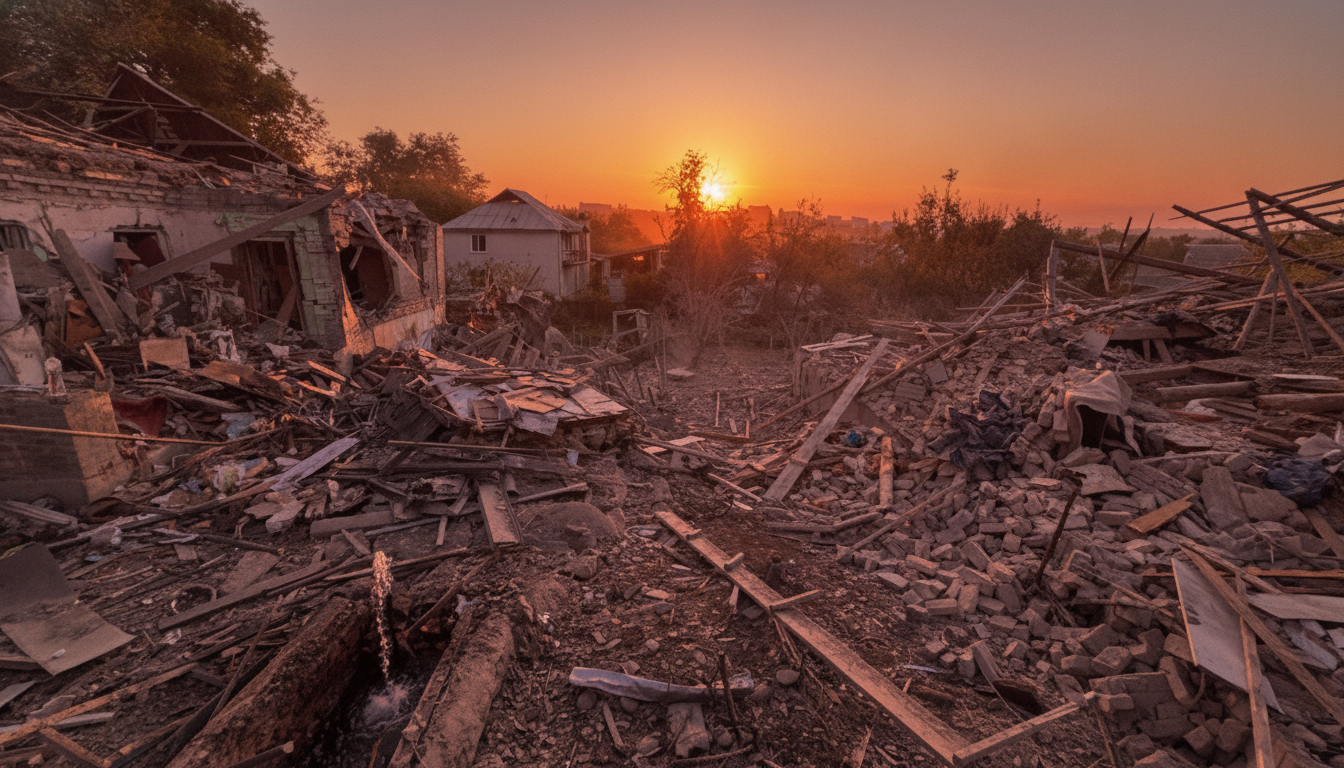
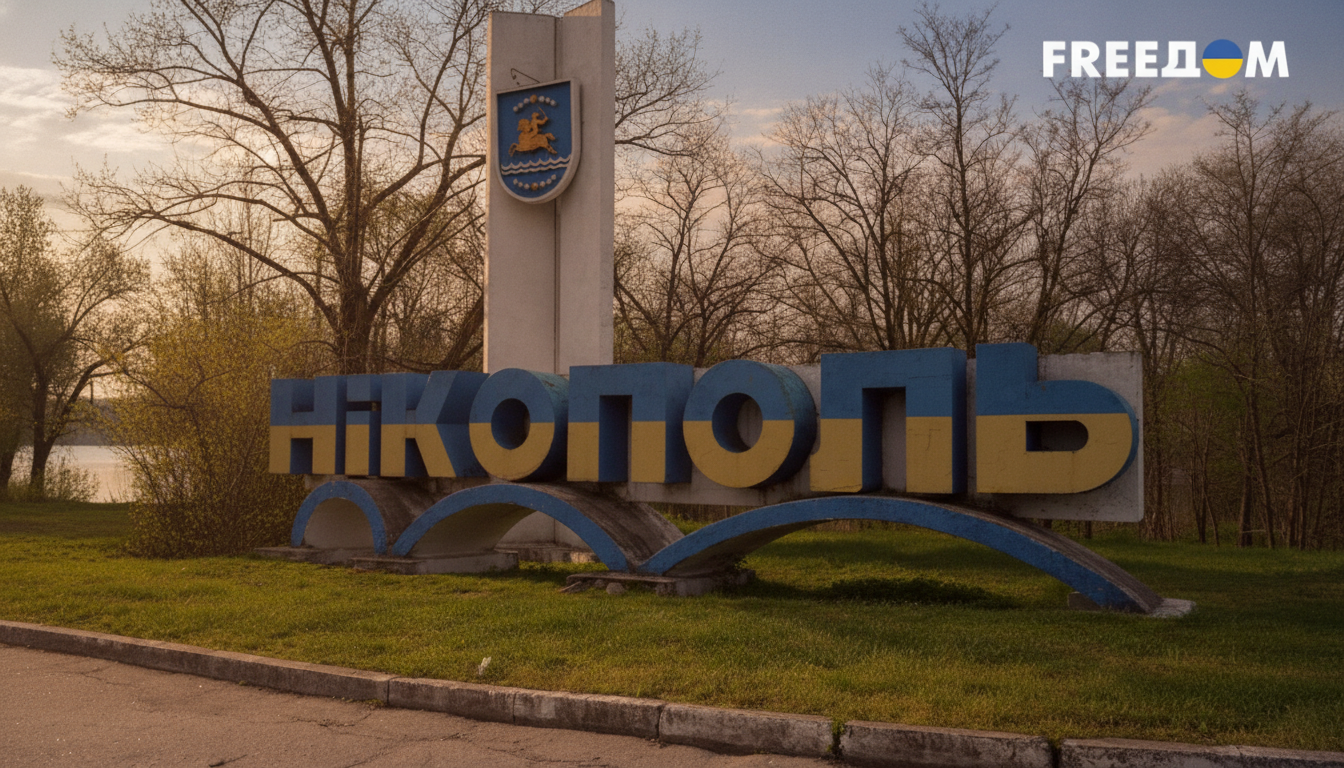
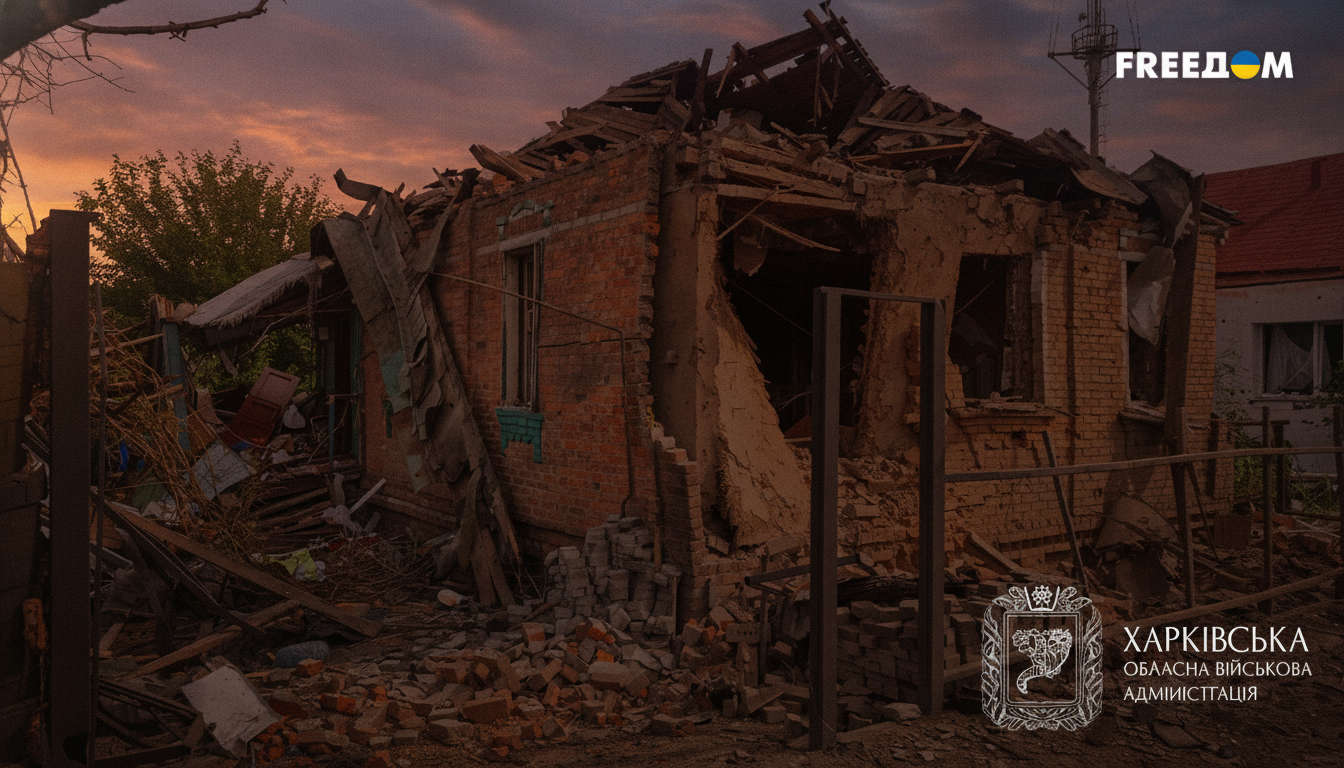
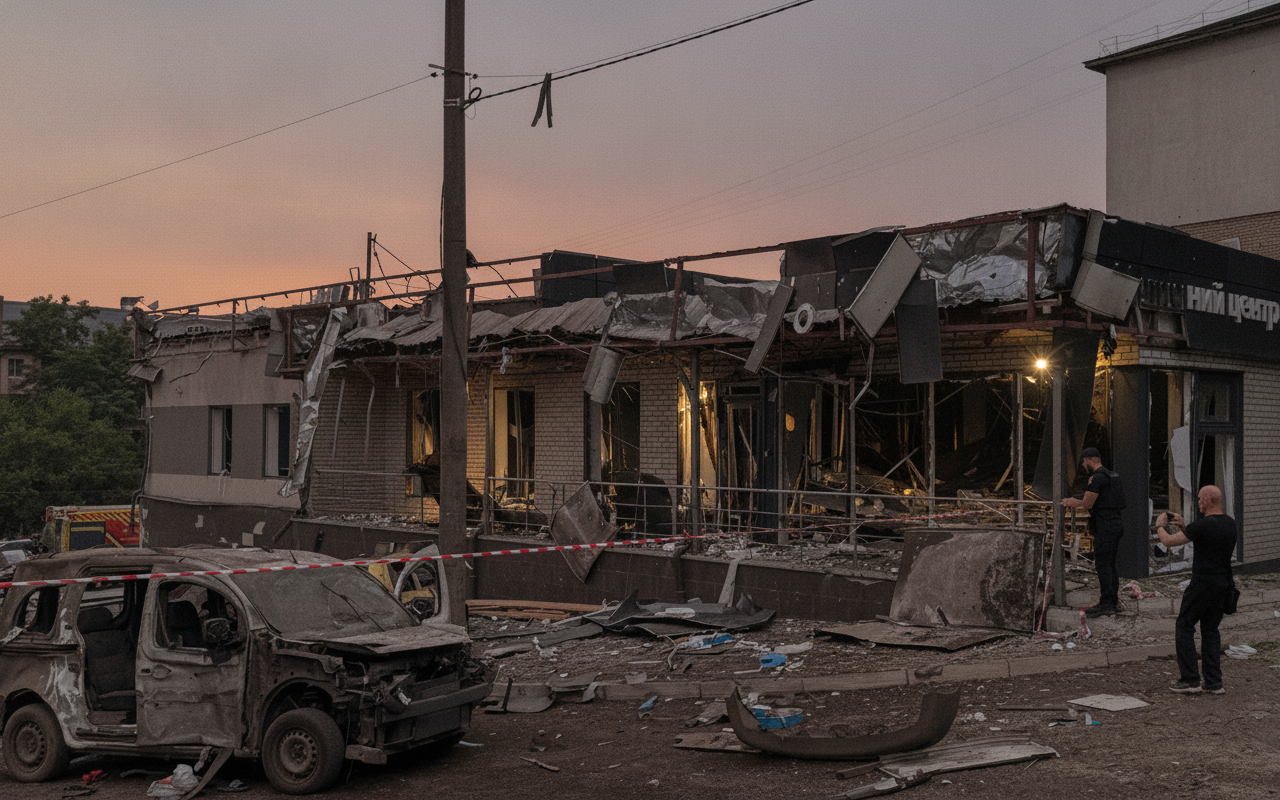
According to Novyny.live: A drone attack in the Mykolaiv region on March 4 resulted in one man sustaining minor injuries. The strike occurred within the city when a drone hit a railway train, causing a fire. The resulting blaze was extinguished promptly by emergency services.
At the time of the attack, air raid sirens had sounded four times across Mykolaiv Oblast. In total, 19 attack drones were recorded at 15 different locations. Official sources also report that Russian forces targeted one of the largest reservoirs of the 'Druzhba' oil pipeline.
“A man received minor injuries and has been hospitalized.”
Vitaliy Kim, Head of the Mykolaiv Regional State Administration
Escalating Tensions in the Region
The drone assault on Mykolaiv is part of a wider escalation of hostilities in southern Ukraine, heightening concerns among the local population. This incident underscores the persistent threat to civilian infrastructure far from the front lines. In such situations, it is critical to follow official safety protocols during air raid alerts to ensure personal security.
This attack is evidence of the continued escalation of the conflict in Ukraine, where drone warfare is becoming increasingly commonplace. Given the frequent alerts and strikes, local residents face a constant risk, highlighting the necessity for emergency preparedness. It is vital that the public remains informed about safety measures and adheres to the instructions of local authorities to protect their lives and well-being.
Read also
- Zelenskyy Assigns Key Economic Tasks as Oleksii Sobolev Joins Presidential Office
- New Ukrainian Government Appointed: Here Are the Ministers Who Got the Jobs
- Zelenskyy Unveils New Government: Key Appointments in the Koretskyi Cabinet
- Ukraine’s New Government Approved by Parliament: Here’s Who Makes Up Koretsky’s Cabinet
- New Ministerial Appointments Proposed: Serhiy Koretsky Submits Candidates to Parliament
- Vitaliy Kim Tipped for Veterans Ministry Role: What We Know About the Potential Appointment