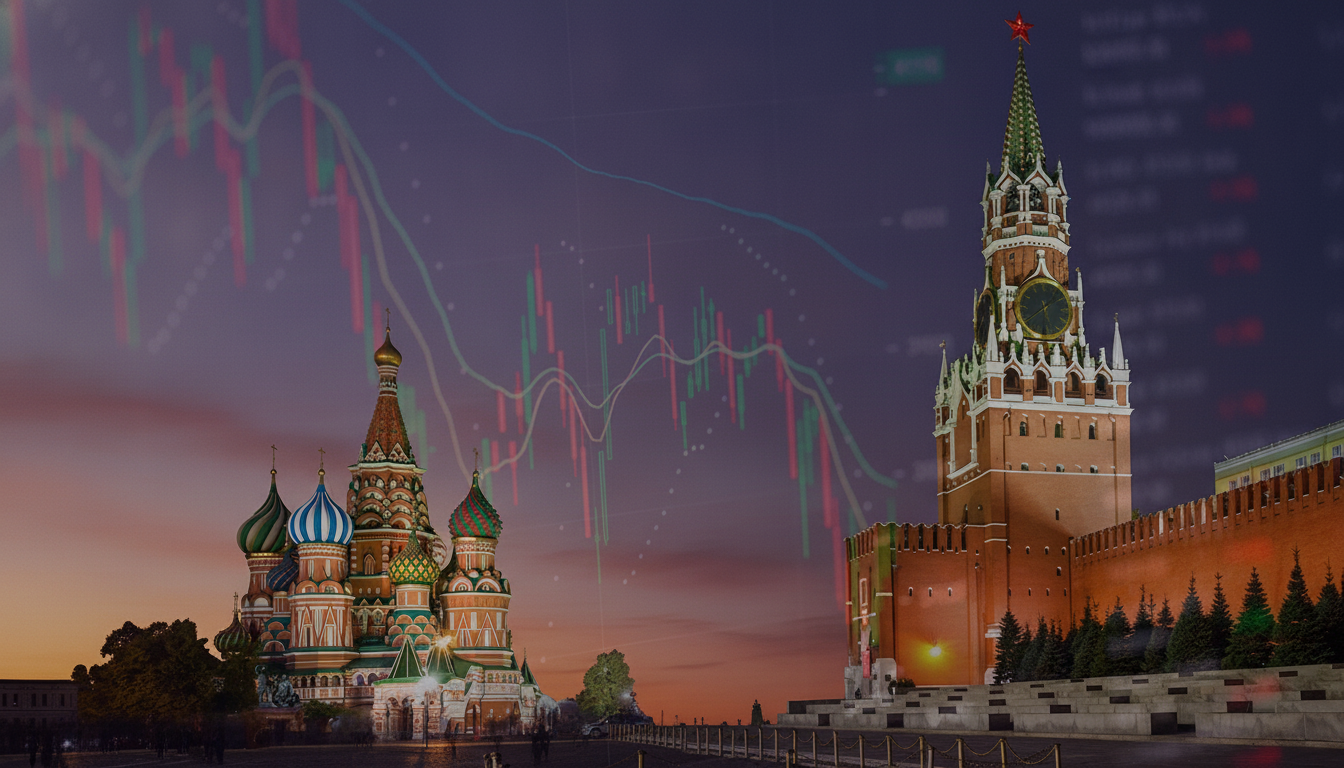
Russian Rostselmash will switch to a three-day work week starting in 2025.

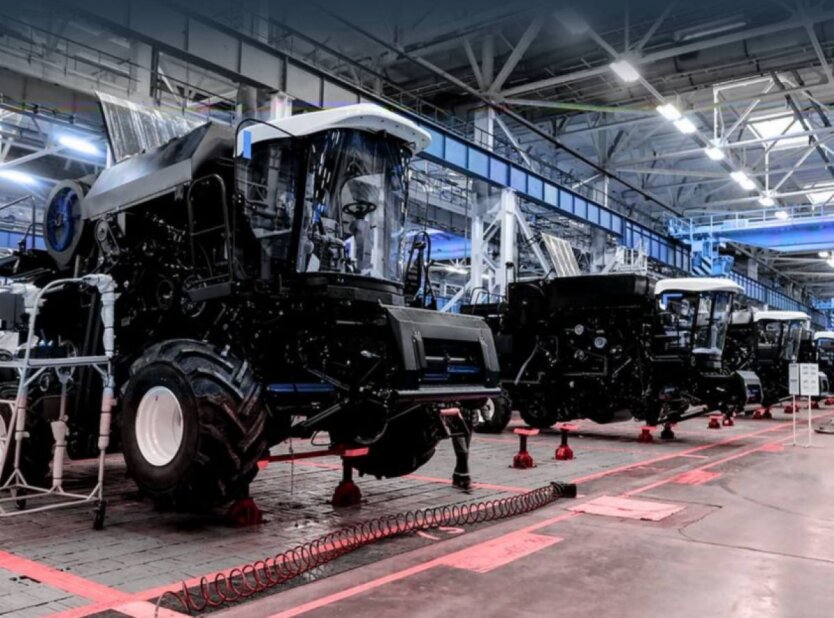
According to inkorr.com: In Russia, the company 'Rostselmash', a leading manufacturer of agricultural machinery, will operate only three days a week starting in August 2025. This decision was made as a result of a sharp decline in sales, as reported by the Center for Counteracting Disinformation.
The situation at the enterprise arose due to systemic crises in the Russian industry caused by the war in the east, international sanctions, and a decrease in domestic demand. This has led even the largest market players to the brink of survival, losing markets and financial support.
The company is forced to cut production and halt investment projects. According to the company's own estimates, 2025 will be the worst year in the last decade.
Not only 'Rostselmash', but also other leading Russian companies such as 'KamAZ', 'AvtoVAZ', the Kirov Tractor Plant, and the Chelyabinsk Plant are also switching to a shortened work week. This allows for a reduction of employee salaries by 20-40% to preserve financial resources.
The Russian authorities are trying to present this situation as a 'modern work format', referring to global trends of four-day work weeks. However, the real reason is the depletion of the Russian economy due to the war against Ukraine.
Thus, large enterprises like 'Rostselmash' are forced to reduce production and lower wages to survive in the conditions of an economic crisis. The authorities are trying to portray these changes as an adaptation to new realities, but the true reason lies in the negative impact of the war and sanctions on the Russian economy.
This situation reflects the deep economic problems in the country, which are the result of a number of factors, including the conflict in Ukraine. Changes in the work of large enterprises only highlight the difficulties faced by Russian industry in the modern conditions and raise concerns about the future economic situation. The further development of events will affect not only the companies but also the lives of their employees and consumers who depend on this production.
Read also
- Russia Sets Record in Gold Sell-Off: What It Signals for the Economy
- Putin’s Economic Claims Exposed as Manipulation by Ukraine’s Disinformation Center
- Rheinmetall to Double Gunpowder Output: What This Means for Ukraine
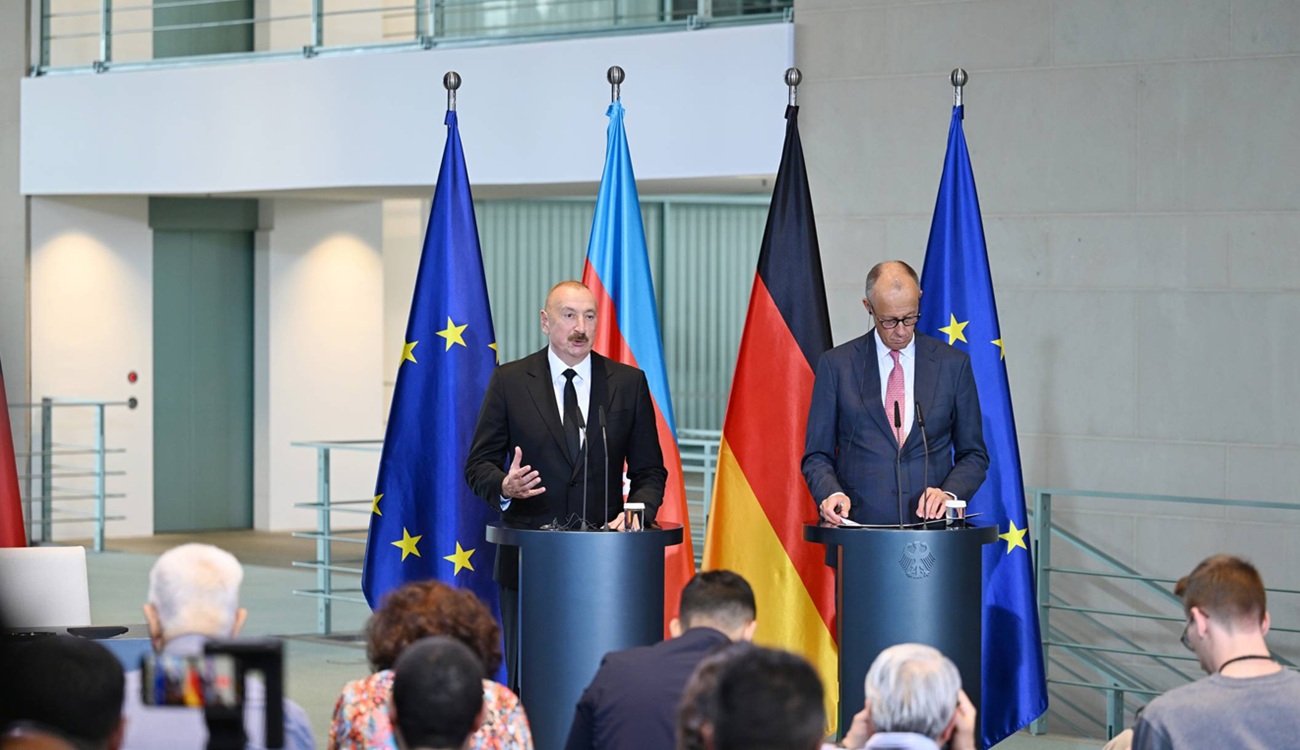
- Azerbaijan Steps Up as Europe's Energy Alternative: Gas Deliveries to Germany Already Underway
- IMF Demands Utility Rate Hikes as Naftogaz Debt Surges 63%
- 12 Red Flags for Shell Companies Identified by Ukraine's Central Bank: Banks Ordered to Scrutinize Importers