Intelligence has reported how much oil Russia transported last year with the 'shadow fleet'.

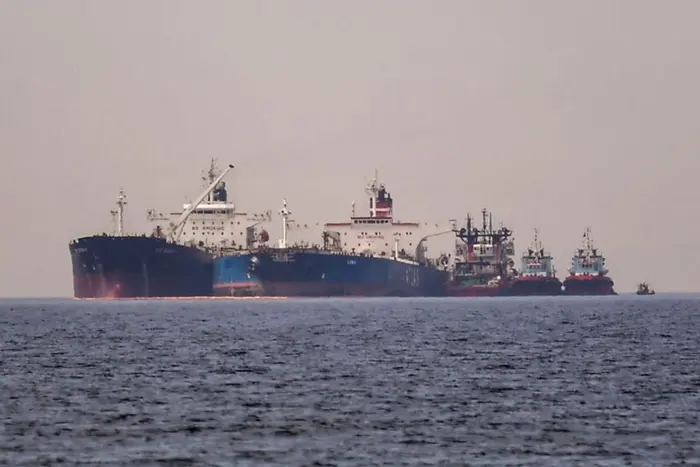
Russia transported more than 60% of its maritime oil export with the 'shadow fleet'
In 2024, Russia transported more than 60% of its maritime oil export using the 'shadow fleet' of tankers, including 78% of exported crude oil and 37% of petroleum products. The total value of maritime oil exports is estimated at over €80 billion, with €57 billion for crude and €26 billion for petroleum products. This was stated by the Main Intelligence Directorate citing 'Glavkom'.
The intelligence notes that the 'shadow fleet' of the Russian Federation consists of 387 tankers that transport oil and petroleum products with a total weight of over 57 million tons.
According to intelligence data, Russia is changing the behavior model of its 'shadow fleet', choosing China and Russia for the registration of owner/manager companies of tankers, besides the UAE, India, the Seychelles, and the Marshall Islands. Additionally, Russia is using new 'convenient' flags from Comoros, Curacao, Djibouti, Guyana, Gambia, Sao Tome and Principe, and Tanzania.
It is noted that vessels associated with operators of the Russian tanker fleet - Fractal Marine Shipping (UAE), Gatik ShipManagement (India), Sun Ship Management (UAE), and Hennesea Holdings Limited (UAE) have been added to the list of the 'shadow fleet'. These companies often change owners using 'vessel-juggling' tactics.
The tankers of the 'shadow fleet' conceal information about the ship and cargo, disable navigation equipment, and create risks for shipping. High-risk STS loading - transshipment of oil from one tanker to another in open seas, is widely used, complicating the tracking of the origin of the raw material.
The German government has decided to take strict measures against a tanker belonging to the 'shadow fleet' that is used to circumvent sanctions from Russia for selling oil around the world.
European countries are discussing the possibility of a large-scale detention of Russian oil tankers in the Baltic Sea. These negotiations have gained momentum after the arrest of the vessel Eagle S, which was used to damage the underwater power line between Estonia and Finland.
According to data, Russia's 'shadow fleet' numbers up to 1000 units, mainly consisting of outdated vessels that carry out the export of oil and petroleum products. In 2023, there were about 600 units.
Read also
- The government has approved new rules for issuing driver's licenses: the validity period will depend on the category
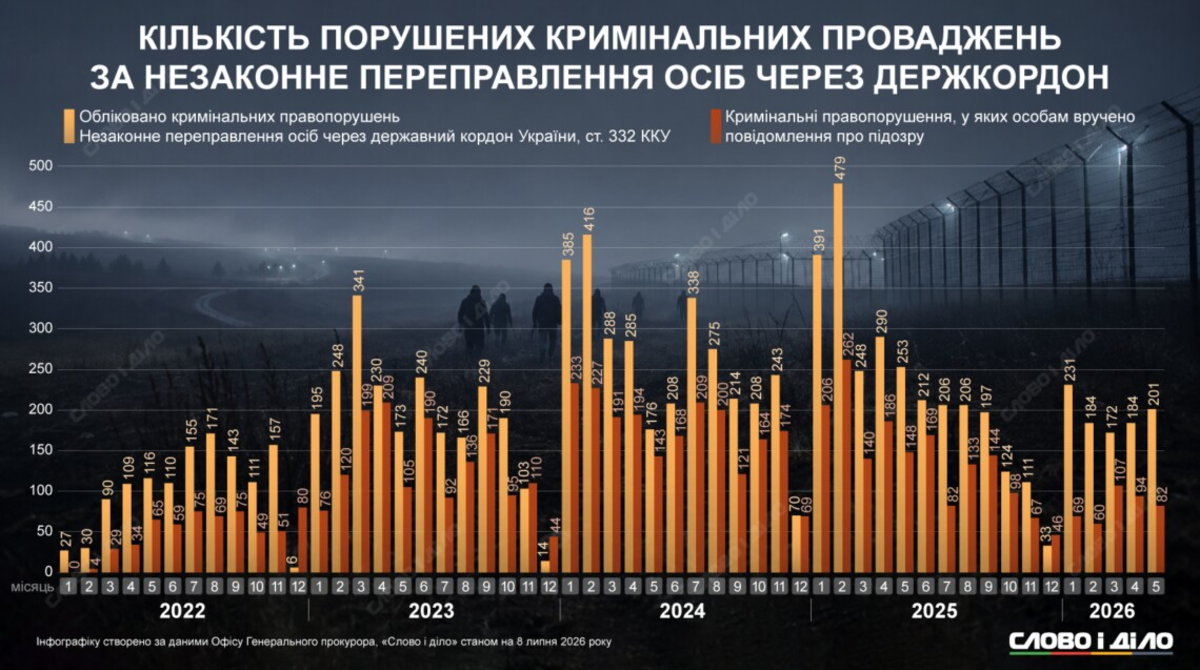
- Criminal Cases for Illegal Border Crossing in Ukraine: New Statistics Released
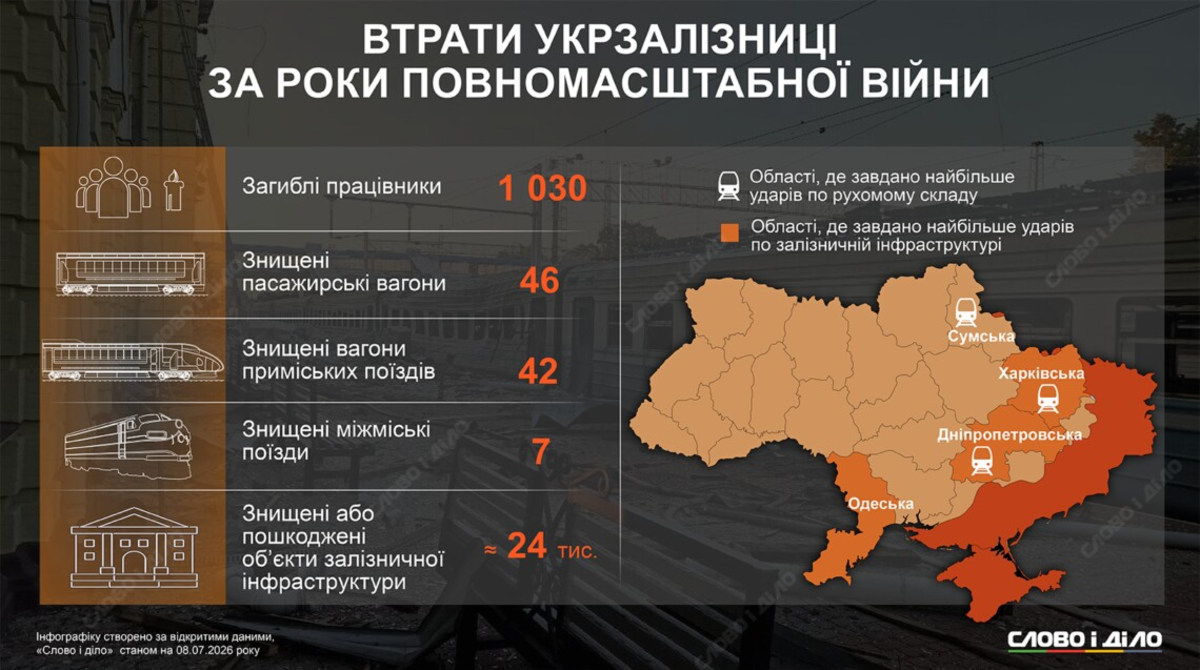
- Over 1,000 Dead and Nearly 3,000 Wounded: The Toll on Ukraine’s Railways After Four Years of War
- Climate Change Puts Ukrainian Cities at Risk: Experts Offer Solutions for Kyiv, Lviv, and Vinnytsia
- No Restrictions at Border for Suspect in Yermolayev Assassination Attempt, Border Guards Confirm
- One-Third of Ukraine’s Nature Reserves Destroyed by War; Eight Parks Under Occupation