At NATO Summit, Rutte Warns Russia, China, and North Korea Are Aligning Against the West.

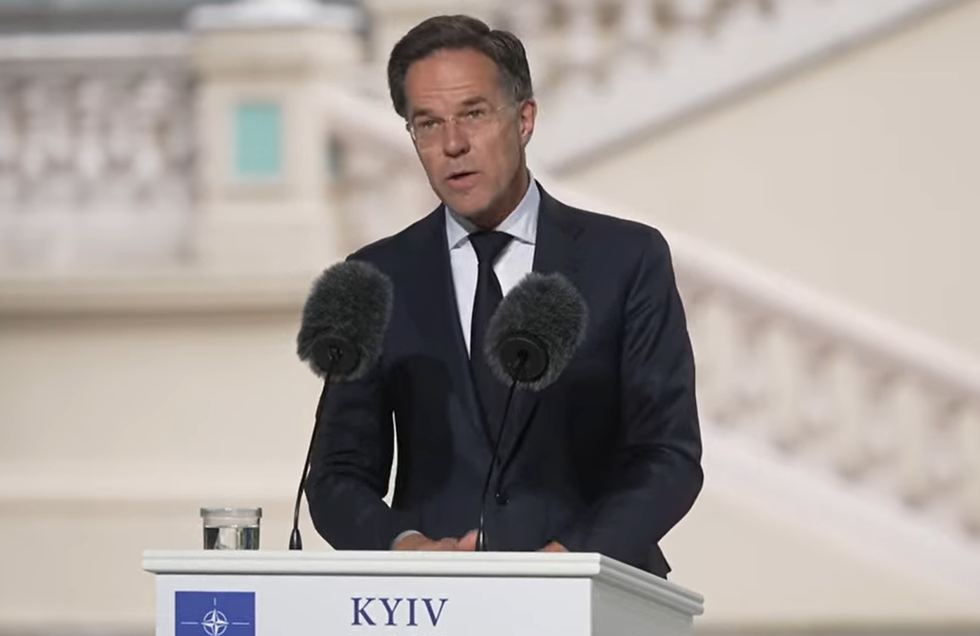
Two-Day NATO Summit Kicks Off in Ankara
According to Espreso.tv: A two-day NATO summit has begun in Ankara, where Dutch Prime Minister Mark Rutte voiced concerns over the deepening ties between Russia, China, and North Korea. He emphasized that these nations are 'increasingly cooperating without any regard for our best interests.'
Rutte pointed out that Russia is channeling nearly half of its national budget into military spending, while China continues to modernize its armed forces and expand its nuclear arsenal. He also highlighted North Korea’s material support for Russia, which has raised further alarm among NATO member states.
NATO Must Adapt, Says Dutch PM
The Dutch leader argued that NATO urgently needs a 'transatlantic defense-industrial revolution' to meet emerging threats. In closing, Rutte expressed confidence that Kyiv 'keeps innovating at an incredible pace.'
“The match is far from over” — NATO Secretary General
This summit serves as a critical platform for addressing pressing geopolitical challenges, particularly the growing alignment between Russia, China, and North Korea—a development with serious implications for global security. Rutte’s remarks underscore the need for the Alliance to adapt to new realities, especially through innovation in the defense industry, which is essential for maintaining regional stability. The gathering also reinforces the importance of unity and coordinated action among NATO members in the face of mounting threats.
Read also
- NATO Summit in Ankara Draws Record 6.8 Million Views from Ukraine
- Who Else Resigned After Fedorov's Dismissal as Defense Minister?
- Trump Predicts Ukraine War Will End During His Presidency, Says Putin Ready for a Deal
- Putin Is Losing the War and Faces a Tough Choice, Expert Warns
- New Security Guarantees for Ukraine on the Agenda as Rutte and Zelensky Meet in Paris on July 13
- NATO Greenlights New Defense Strategy: $70 Billion for Ukraine and Push for 5% GDP Spending