Gaps in Sanctions: How Russia's Elite and Key Industries Evade Restrictions.

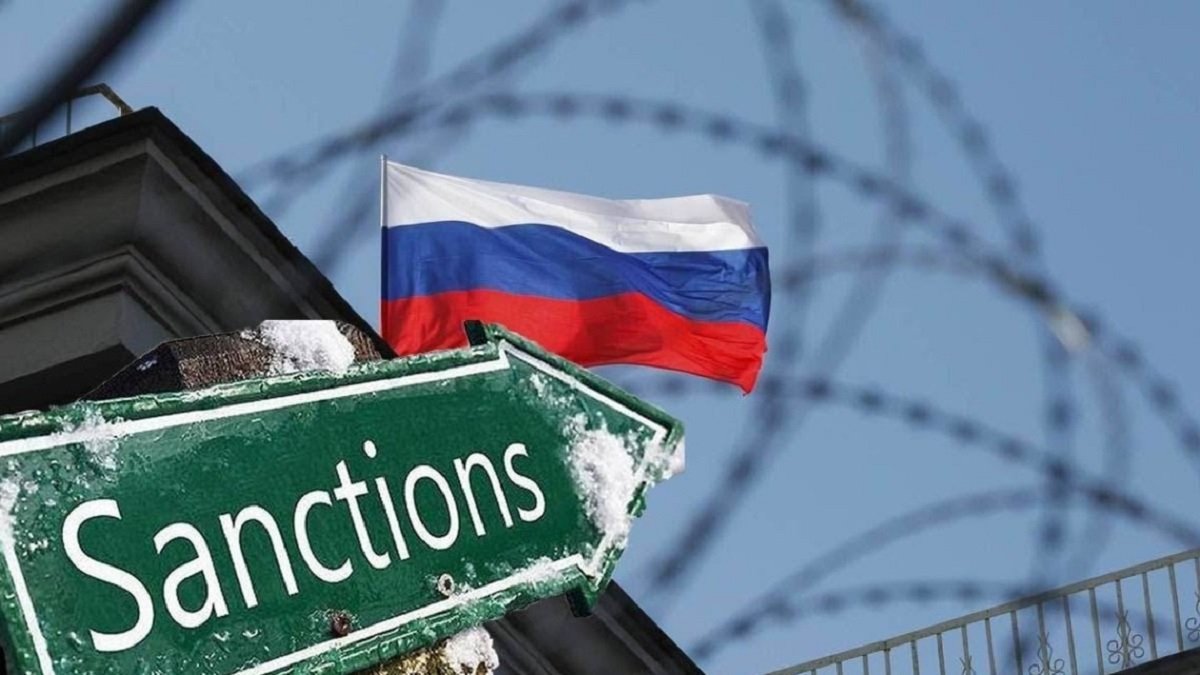
Assessing the Impact of Sanctions on Russia
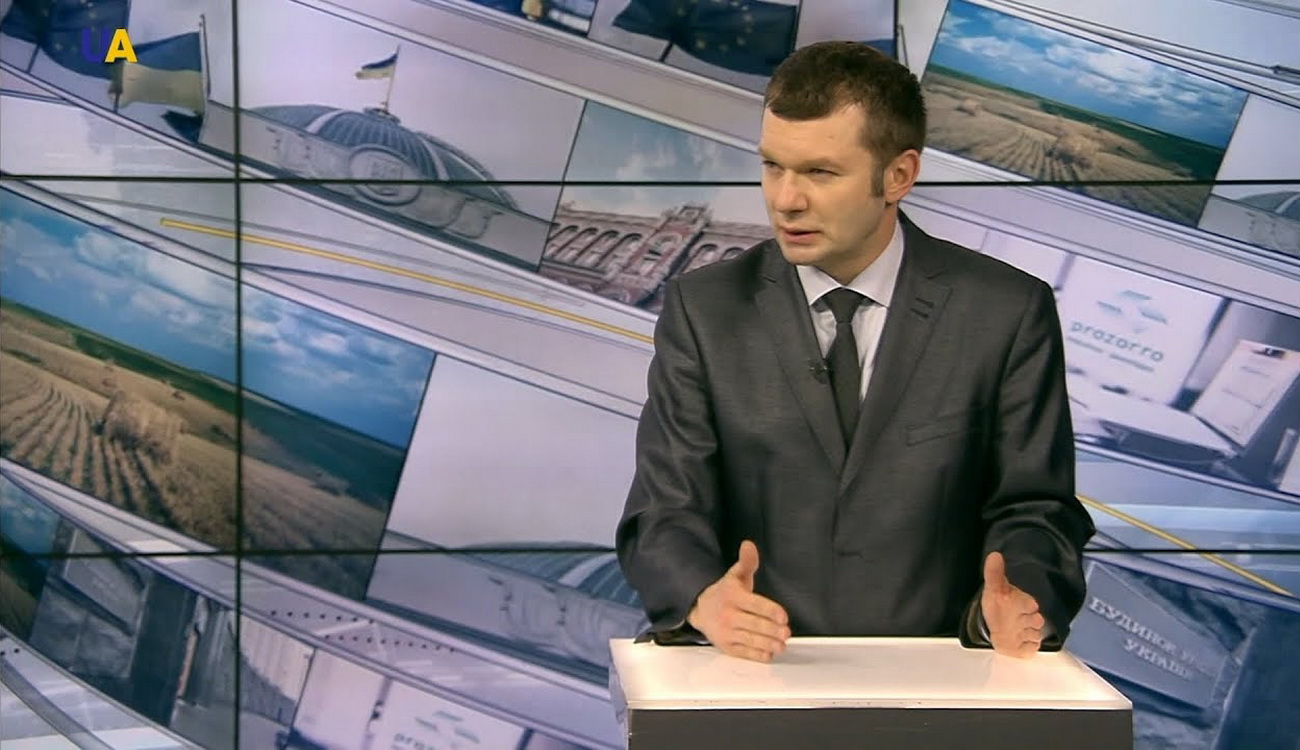
According to UATV: Political scientist Igor Reiterovich has analyzed the potential consequences of sanctions against Russia, focusing on sectors where restrictions are not applied, such as Rosatom and the cryptocurrency market. He noted that the Russian elite maintains contacts with the West, which could influence the domestic situation. According to Reiterovich, there remain economic sectors where Russia preserves certain ties with Western nations despite the imposed sanctions. This highlights a significant challenge in the international effort to isolate Russia's economy.
Sectors Exempt from Sanctions
Among the industries not subject to sanctions is Rosatom, the state nuclear energy corporation. This sector continues to operate without major restrictions, allowing Russia to sustain certain economic links. Furthermore, Russia continues to export rare earth metals, a crucial component of its economy. The cryptocurrency market is also developing actively, creating new avenues for financial transactions despite international sanctions, offering alternative channels for capital flow.
In 2022, discussions centered on members of the Russian elite whose families reside in the West. Reiterovich argued that:
“all these people should be expelled from these countries, personal sanctions should have been imposed against them too, and they should return to Russia” - Igor Reiterovich
This underscores the view that the ongoing connections between the Russian elite and Western countries could have serious implications for Russia's internal situation. Ukrainian President Volodymyr Zelenskyy recently commented on the freedom of movement enjoyed by representatives of the Russian elite, a factor that may also affect future developments.
Thus, despite sanctions, Russia retains certain opportunities to support its economy through sectors that escape restrictions. This raises questions about the effectiveness of measures aimed at curtailing Russia's financial and economic links with the West. The persistence of unsanctioned sectors suggests Russia can adapt to new conditions and continue advancing its economic interests, potentially complicating the task for international communities seeking to diminish Russia's influence on global economics and politics. The question of sanction efficacy remains pertinent as various industries continue to function despite efforts to constrain them.
Read also
- EU Adopts 21st Sanctions Package Against Russia: What It Means for Oil and Banking
- Zelensky Warns of Black Sea Grain Corridor Blockade as Ukraine Calls UN Security Council Meeting
- EU sanctions on Russia slow down as member states prioritize economic interests
- A 35-Minute Manila Meeting Between Rubio and Lavrov Puts Ukraine War at the Center of Talks
- Latvia Moves to Ban Imports from Russia and Belarus: Here's What Will Be Blocked
- Poland Faces Thousands of Daily Cyberattacks from Russia, Deputy PM Calls It Hybrid Warfare