Why Western Sanctions Are Falling Short: The Kremlin’s Tricky but Manageable Challenges.

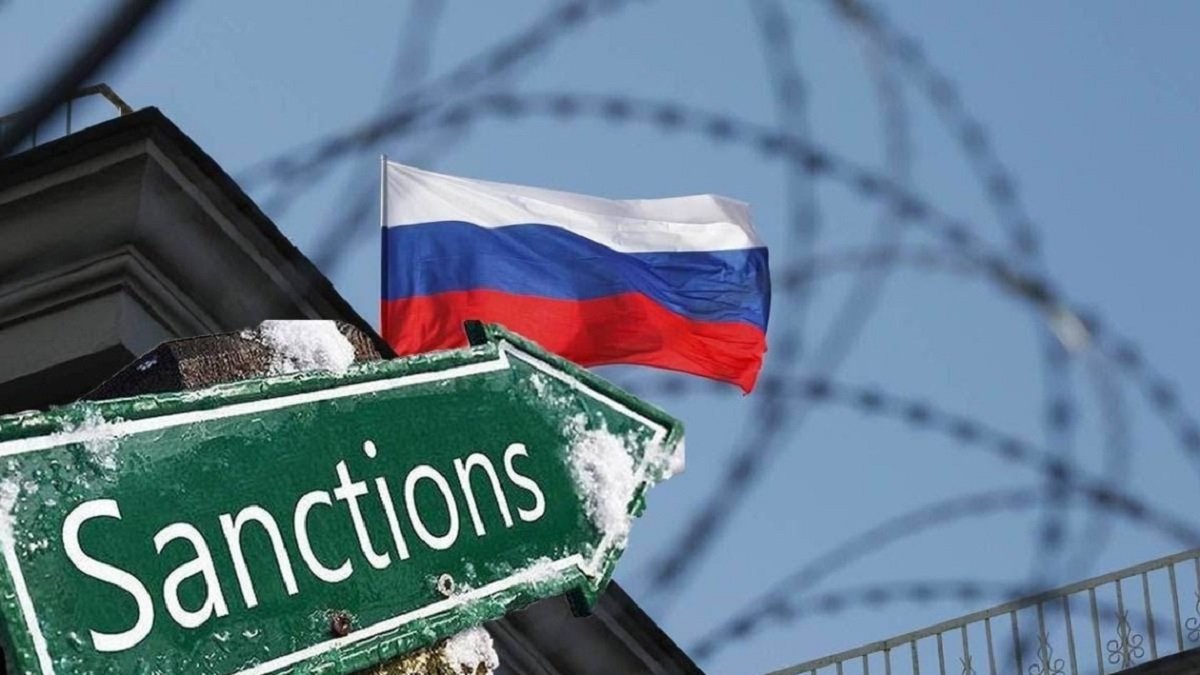
The State of Sanctions Against Russia
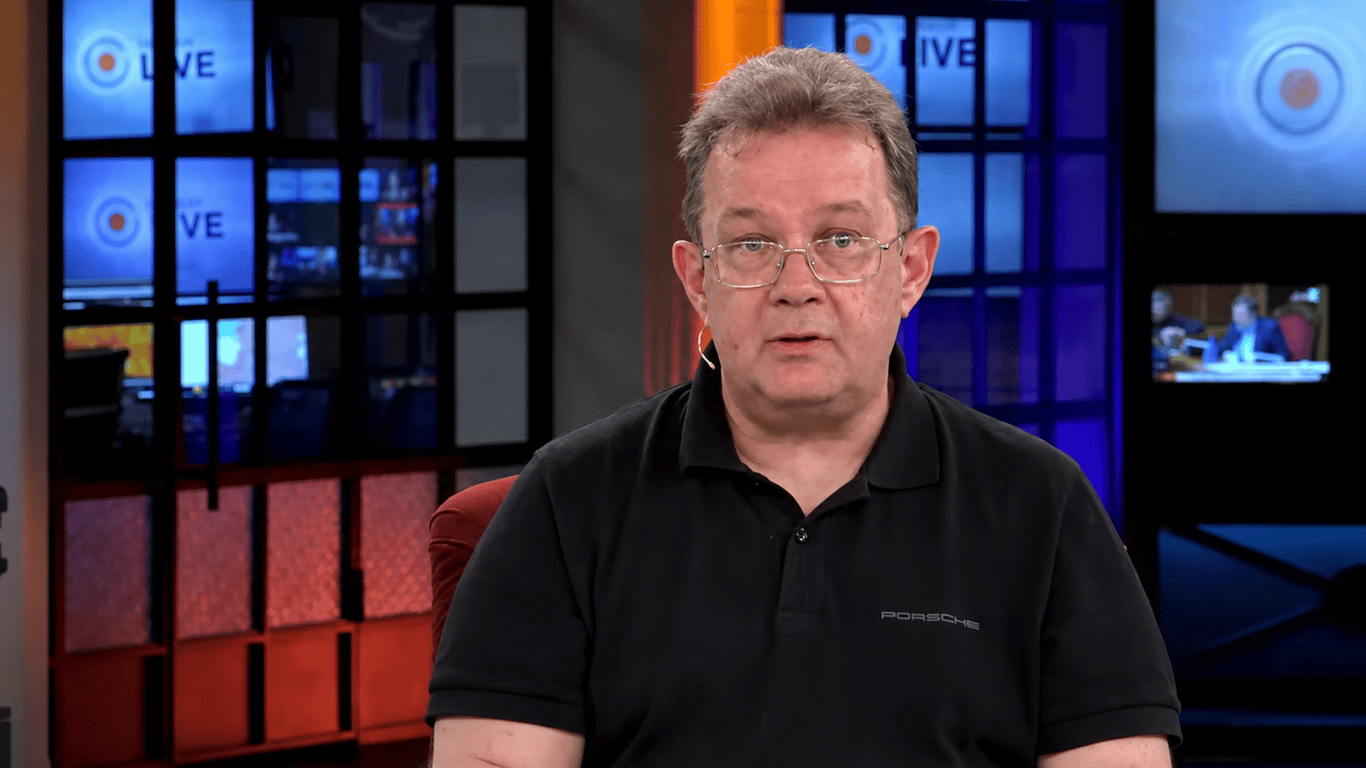
According to UATV: Anna Malkina, a professor at Taras Shevchenko National University of Kyiv, argues that while sanctions against Russia disrupt logistics and drive up prices, their overall impact remains insufficient. In her assessment, the restrictions present the Kremlin with a set of difficult problems—what she calls “challenges with an asterisk”—that Moscow is managing to address, and with a fair degree of success so far.
“Sanctions have indeed created a number of tricky challenges for the Kremlin, which the Russians are certainly trying to solve—and, on the whole, doing so quite successfully.” – Anna Malkina
Sanctions and Their Global Political Ripple Effects
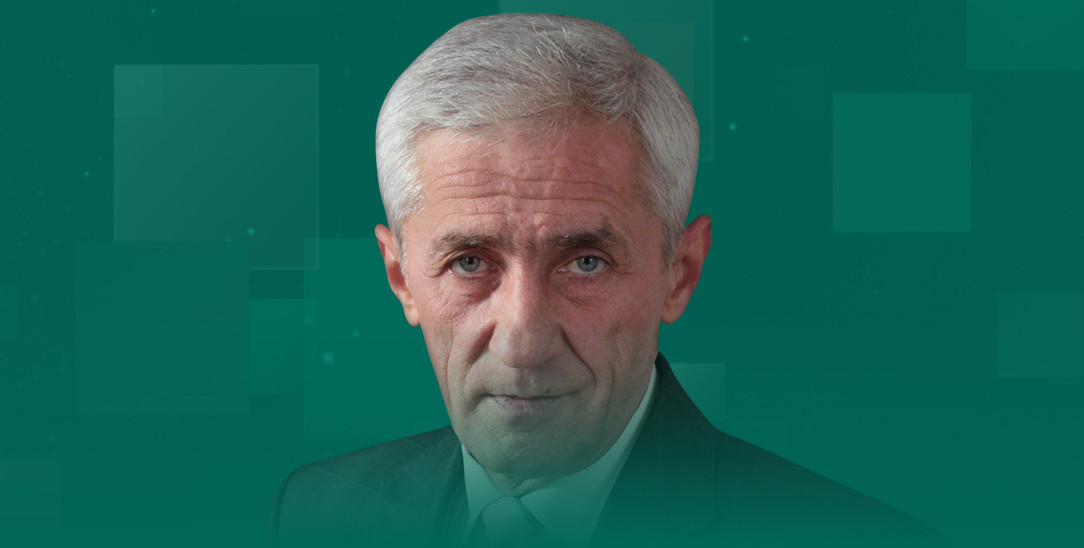
Meanwhile, Kaja Kallas, the EU’s High Representative for Foreign Affairs and Security Policy, warned that any easing of U.S. sanctions on Russia would set a dangerous precedent. Her remarks highlight that despite concerted international efforts to curb Russia’s economic power, the situation remains fraught and demands continued scrutiny and action.
The European Union is currently exploring options for a 20th sanctions package, reflecting ongoing efforts to support Ukraine and find ways around Hungary’s veto. Total financial aid to Ukraine has now reached 90 billion euros, underscoring the scale of international backing amid the ongoing crisis.
The debate over sanctions against Russia continues to dominate global diplomacy, as experts remain divided on their actual economic toll. While some nations, like the United States, are considering easing restrictions, the EU is pushing to maintain unity in supporting Ukraine and containing Russian aggression. This dynamic reveals the growing complexity of diplomatic relations in today’s geopolitical landscape.
Read also
- Crimea Ablaze: Ukraine Intensifies Pressure to Make Russia's Occupation Unbearable
- Harman explains how the Minsk Agreements led to the erasure of the Ukrainian language in Donbas
- Ukraine's 2027 War End Date Built Into Budget: What It Means for Citizens
- Germany Rejects Tusk’s Request for Mediator Role in Poland-Ukraine Dispute
- These fundamental rights remain inviolable even in war – what the constitution really says
- Ukraine Needs New Brigades to Counter Belarus Threat, Says General Syrsky