Saudi Arabia and UAE Show Restraint Toward Iran Amid Internal Tehran Power Struggles.

Regional Tensions
According to UATV: Saudi Arabia and the United Arab Emirates are exercising significant caution in their response to Iranian attacks, driven by fears of a wider regional conflict. Both nations are avoiding direct confrontation with Tehran, a stance that underscores their concern over a potential Iranian retaliation capable of inflicting severe damage. This restraint highlights the complex security calculations of Gulf states, which must balance deterrence with economic stability.
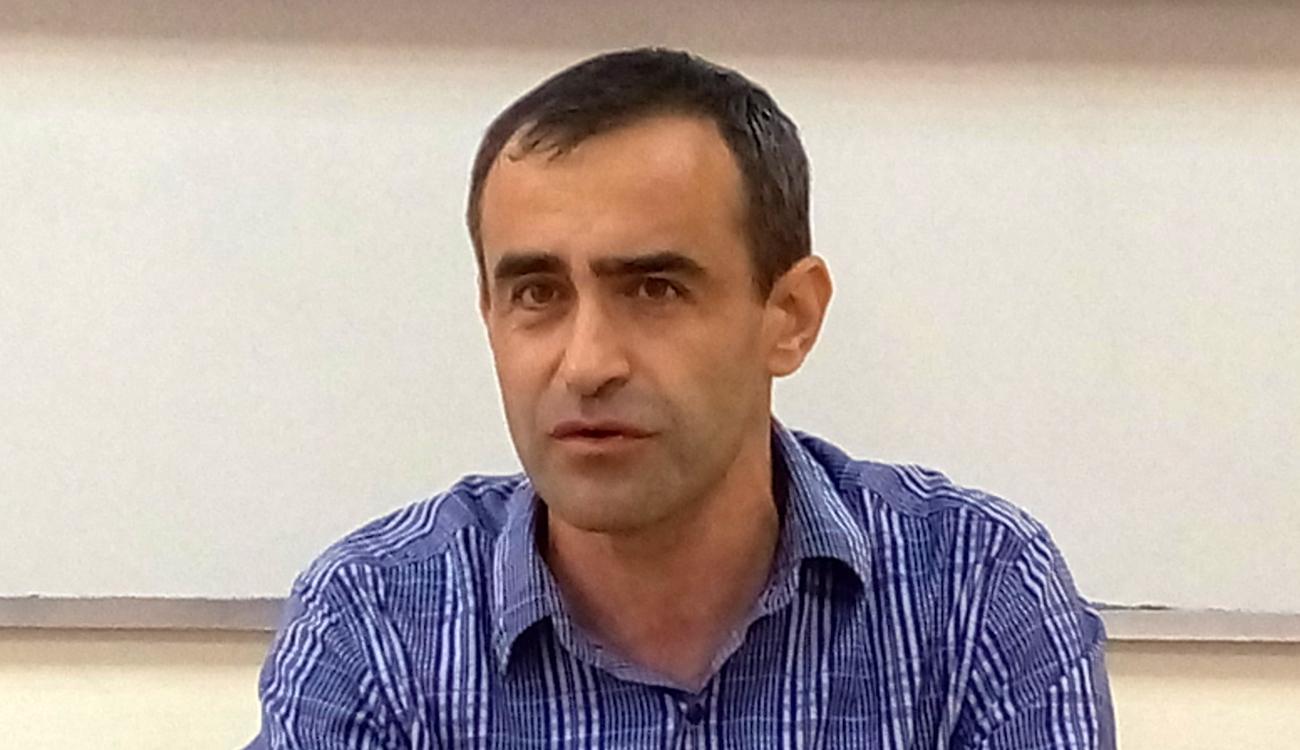
Military analyst David Sharp has commented on the regional situation, noting that a division exists within the Iranian leadership itself, between hardline and more moderate factions. This internal split could significantly influence Iran's foreign policy and its reactions to threats from neighboring states. Sharp observes:
“The reality is far more complex” — David Sharp
He further emphasizes that should Saudi Arabia or the UAE decide to engage in direct conflict with Iran, the consequences could be severe:
“If they opt for direct confrontation with Iran—whether by granting the U.S. airspace access or launching strikes themselves—Tehran has the capacity to inflict far greater damage upon them” — David Sharp
United Arab Emirates' Policy
The United Arab Emirates, a renowned hub for business, tourism, and investment, is also demonstrating a cautious policy toward Iran. Existing regional tensions and fears of potential conflict escalation are compelling these countries to act with prudence. Meanwhile, U.S. President Donald Trump has stated that any decision to halt military operations against Iran would be made jointly with Israeli Prime Minister Benjamin Netanyahu, a factor that could influence future actions in the region.
Consequently, the situation in the Middle East remains tense, with the restrained responses from Saudi Arabia and the UAE reflecting their apprehension about the possible consequences of escalating conflict with Iran. The internal divisions within Iran's leadership present an additional factor to consider when analyzing the region's future trajectory. Observing the positions of the United States and Israel will also likely play a crucial role in shaping the strategy of these Arab nations, given their historical reliance on external powers in resolving regional conflicts.
Read also
- Trump to Attend 2026 World Cup Final in New Jersey: Argentina Faces Spain
- New Anti-Russia Sanctions Advance in U.S. Congress: Inside the Daines Amendment
- Trump Backs Late Senator Graham’s Sister in Her Bid for a U.S. Senate Seat
- White House Teleprompter Operator Made Over $100,000 Betting on Trump’s Speeches: Investigation Reveals
- Over 60 U.S. Senators Back Graham’s Bill for 100% Tariffs on Russian Energy Exports
- New U.S. Strikes Hit Iran: Chabahar Port Tower Destroyed in Latest Escalation