Lockheed Martin unveils the Vectis drone: it will work alongside the F-35.

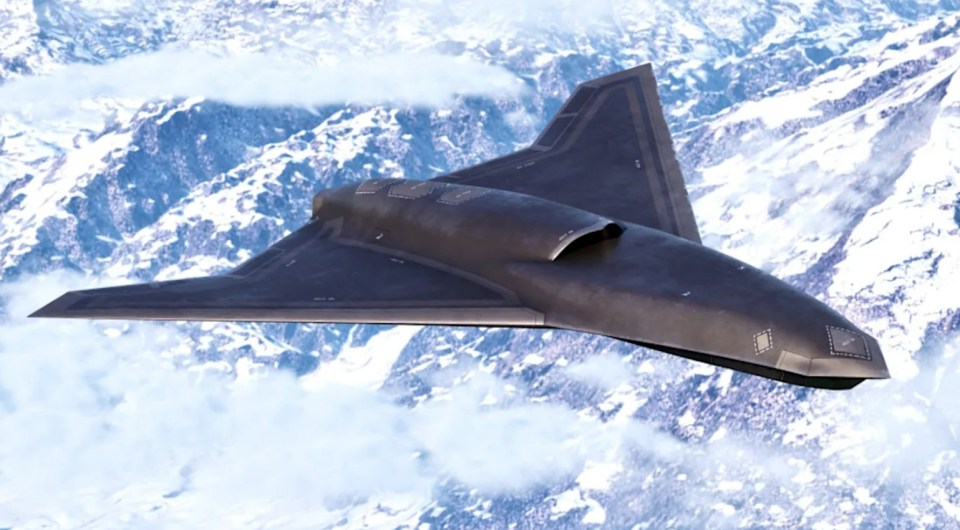
According to The Sun: The super-modern Vectis drone is ready to conquer the skies – it is designed for reconnaissance, strikes, and support alongside American F-35s.
Lockheed Martin has unveiled its new drone Vectis, a secretive strike UAV that could change the way wars are fought.
Vectis is designed to operate autonomously or as a "loyal wingman" to the F-35 The drone is set to take flight within two years and become fully operational by 2028Vectis is the release of a new model from the famous Skunk Works division, which developed the U-2, SR-71 Blackbird, and F-117 Nighthawk.
Although the drone has not yet taken to the air, it has already been dubbed a potential 'game-changing' asset capable of providing American forces and their allies a crucial advantage.
This drone is larger than a missile drone but smaller than an F-16 fighter jet. It belongs to the Group 5 UAV class, meaning it weighs over 1,320 pounds and can fly at high altitudes.
The design of Vectis features a tailless, radar-resistant shape with delta wings and a streamlined fuselage, ensuring good aerodynamics.
It will be capable of precision strikes, conducting electronic warfare, reconnaissance, and executing both defensive and offensive combat operations.
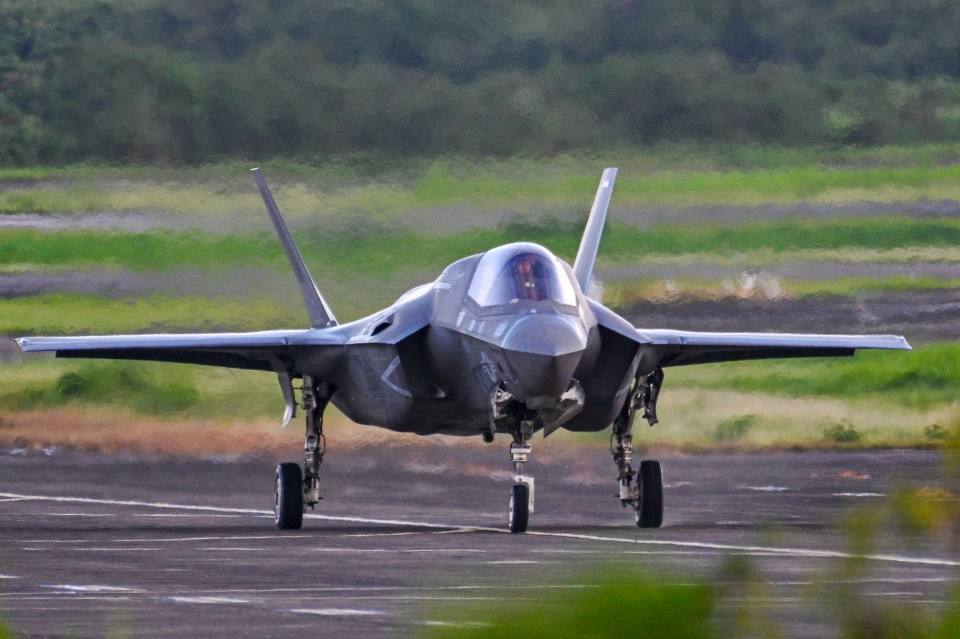
Importantly, the drone can operate autonomously or work as a "loyal wingman" to the latest fighter jets, such as the F-35 Lightning II.
Unlike many secret prototypes, Vectis will not only be used by the U.S. military.
The drone is offered to allies and partners worldwide, featuring an open architecture for upgrades and designed with accessibility in mind through digital design and modern manufacturing technologies.
Vectis is the culmination of our experience in integrating complex systems, developing modern fighters, and autonomy.
OJ Sanchez, head of Skunk Works
Vectis is expected to undergo flight testing within the next two years and is slated to be fully operational by 2028.
Lockheed notes that the drone will be able to operate not only within the U.S. but across the Indo-Pacific region, Europe, and the Middle East.
This design promises to be more survivable and versatile than its competitors, reflecting a shift in perspective on drones as expendable assets.
Experts acknowledge that the drone could fly daily, both during training and in combat conditions, with a high level of reliability.
Its versatility may also allow it to be adapted for the Navy, the U.S. Marine Corps, or even allied air forces – putting Lockheed in competition with Boeing's MQ-28 Ghost Bat drones and other stealth UAV projects.
As rivals, particularly China, introduce their drone-fleet adversaries, the release of Vectis showcases America's resolve to maintain its technological edge.
 In the world of military technology, drones are becoming increasingly important. The introduction of Vectis by Lockheed Martin will add a new dimension to the competition among nations regarding technological innovations in defense. Given the escalating international tensions, the potential scenarios for its use could significantly impact the military strategy of the United States and its partners in the future.
 Read also
- Russia Deploys New Jet-Powered Drones Capable of Reaching 500 km/h
- EU Ambassador Details Aftermath of Devastating July 2 Strike on Kyiv
- French Court Fines Tanker Owner €1 Million for Violating International Sanctions
- Ukraine’s General Staff Rejects Russian False Claims of Bus Attack: Key Details
- Russia Is 'Running Out of Steam': Expert Explains Drop in Missile Strikes
- Russian Offensive Slows to 50 Meters Per Day as Moscow Loses Ground