Ukraine's Foreign Minister Accuses Hungarian PM of Advancing Putin's EU Agenda.

Diplomatic Dispute Between Ukraine and Hungary Escalates
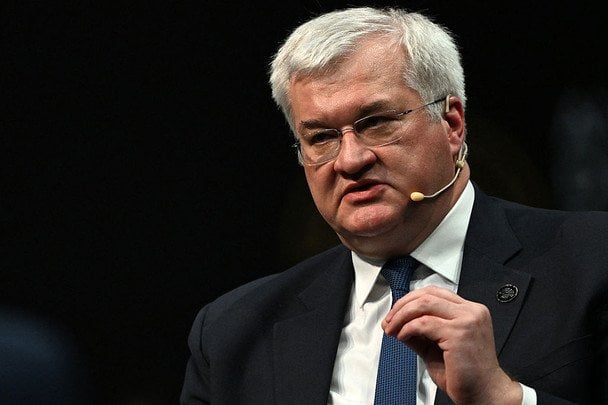
According to TSN.ua: A diplomatic row continues between Ukrainian Foreign Minister Andrii Sybiha and Hungarian Prime Minister Viktor Orbán. The conflict stems from Orbán's recent assertion that Ukraine would not be able to join the European Union for the next 100 years. Sybiha expressed outrage at these comments, arguing that the Hungarian leader is not addressing the Ukrainian state but is instead acting in Russia's interests. This dispute highlights the complex political challenges Ukraine faces on its path to European integration.
Andrii Sybiha stated that
"Orbán's master in Moscow will not last another 100 years,"suggesting that such declarations align with the Kremlin's wishes. The minister further emphasized that
"by blocking Ukraine's EU membership, Orbán is fulfilling Putin's desires."The Hungarian government responded to these accusations. Péter Szijjártó, Hungary's Minister of Foreign Affairs, retorted that
"the sovereign Hungarian government will continue to protect the country and its people from your war! Hungary first!"
Ukrainian President's Response
On January 22, Ukrainian President Volodymyr Zelenskyy also criticized Viktor Orbán during an address at the World Economic Forum in Davos. Sybiha considers the Hungarian prime minister's actions unacceptable, declaring,
"Hungary and the Hungarian people do not deserve this."This exchange signals a sharp deterioration in diplomatic relations between Ukraine and Hungary, set against the backdrop of the ongoing war and Ukraine's European aspirations. Hungary's stance is particularly significant as it is a member of both NATO and the EU.
The controversy underscores the deep-seated tensions between Ukraine and Hungary, which have both historical roots and contemporary political dimensions. In the context of the war and Ukraine's push for Euro-Atlantic integration, Hungary's position could substantially impact regional stability and European geopolitics. The international community is expected to monitor this situation closely, as its evolution may have significant consequences for European security and policy toward Ukraine.
Read also
- Zelenskyy Heads to NATO Summit in Ankara Amid Concerns Over Ukraine’s Exclusion from Key Decisions
- G7 Leaders Approve Defense and Economic Measures for Ukraine: Key Takeaways
- EU Cluster Openings and Anti-Russia Sanctions Top Zelenskyy's Agenda with European Leaders
- Ukraine’s Ballistic Missile Ambitions: When Will They Be Able to Strike Russia?
- Ukraine’s Ballistic Weapons Will Transform the War: Fedorov Reveals Timeline
- G7 Leaders Escalate Support for Ukraine: More Air Defense Systems and Licensed Weapons Production