Ukraine's Foreign Minister Urges Global Sanctions Against Belarusian Leader Lukashenko.

An Appeal to the International Community
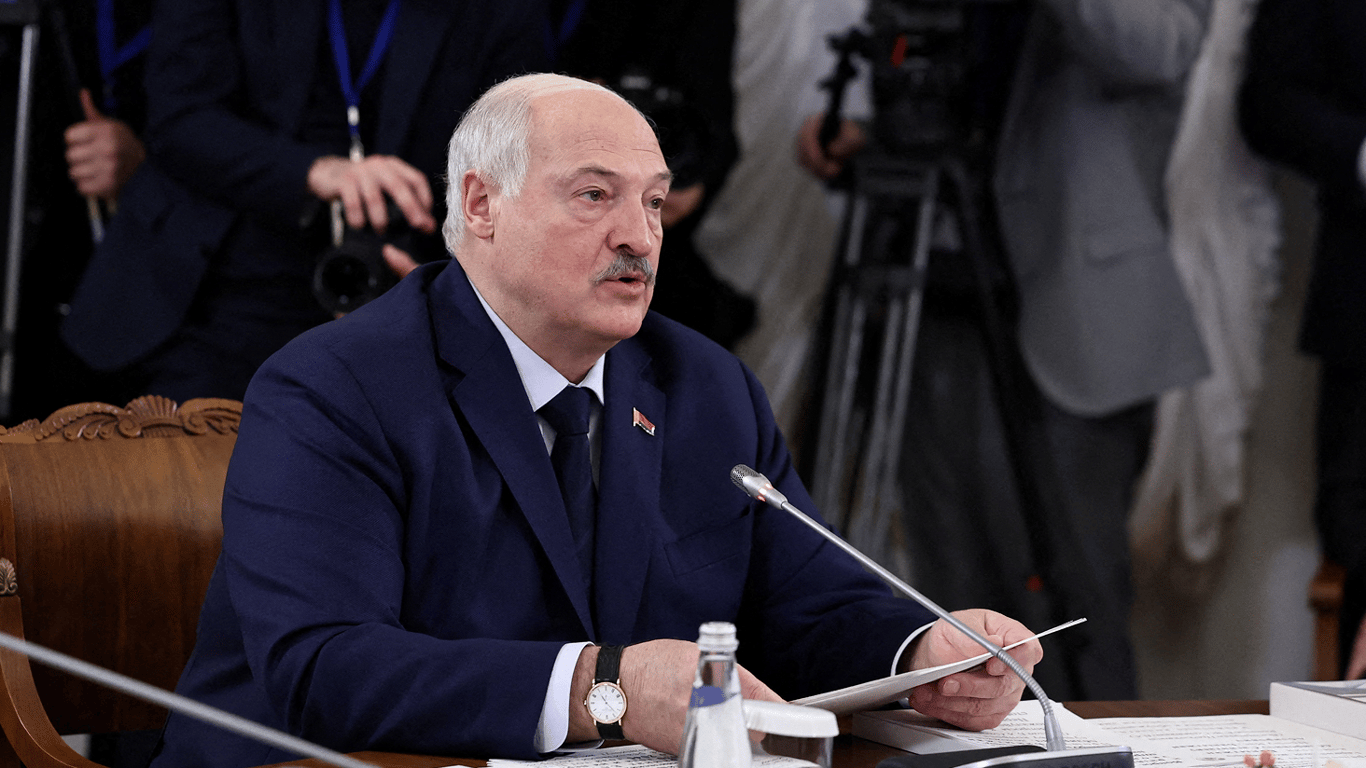
According to Novyny.live: On February 18, Ukrainian Foreign Minister Andrii Sybiha called upon the international community to impose sanctions against the dictator Alexander Lukashenko. Sybiha emphasized the threats posed by the Minsk regime to Ukraine and Europe, stating that Lukashenko is a co-perpetrator in the Russian Federation's crime of aggression against Ukraine. This call comes as Belarus continues to provide critical logistical and political support for Russia's ongoing war.
In a related move, Ukraine has already implemented a new package of restrictions against the Minsk regime. Sybiha stressed that Lukashenko
"continues to assist Moscow in its genocidal war against Ukraine,"a situation that raises alarm not only in Ukraine but across Europe due to its potential serious consequences for regional security.
The Sanctions Landscape
This appeal for stronger measures coincides with a recent U.S. decision to lift sanctions on the state-owned enterprise 'Belaruskali'. That move has sparked debate among international observers, who fear it may weaken the pressure on the Minsk regime and send mixed signals.
Sybiha also expressed Ukraine's readiness to welcome a democratic Belarus into the Lublin Triangle format alongside Poland and Lithuania. This statement signals Ukraine's intent to foster democratic change in its neighboring country, which would represent a significant step for regional stability and security in Eastern Europe.
Ukraine's call for global sanctions against Lukashenko reflects persistent concerns over his role in enabling Russian aggression. While the sanctions issue remains on the international agenda, the U.S. decision to remove certain restrictions could complicate efforts by potentially diminishing the overall effectiveness of pressure on the Belarusian regime.
The support for democratic transformation in Belarus, as voiced by Ukraine, could become a crucial factor in stabilizing the region and countering the spread of authoritarianism among neighboring states.
Read also
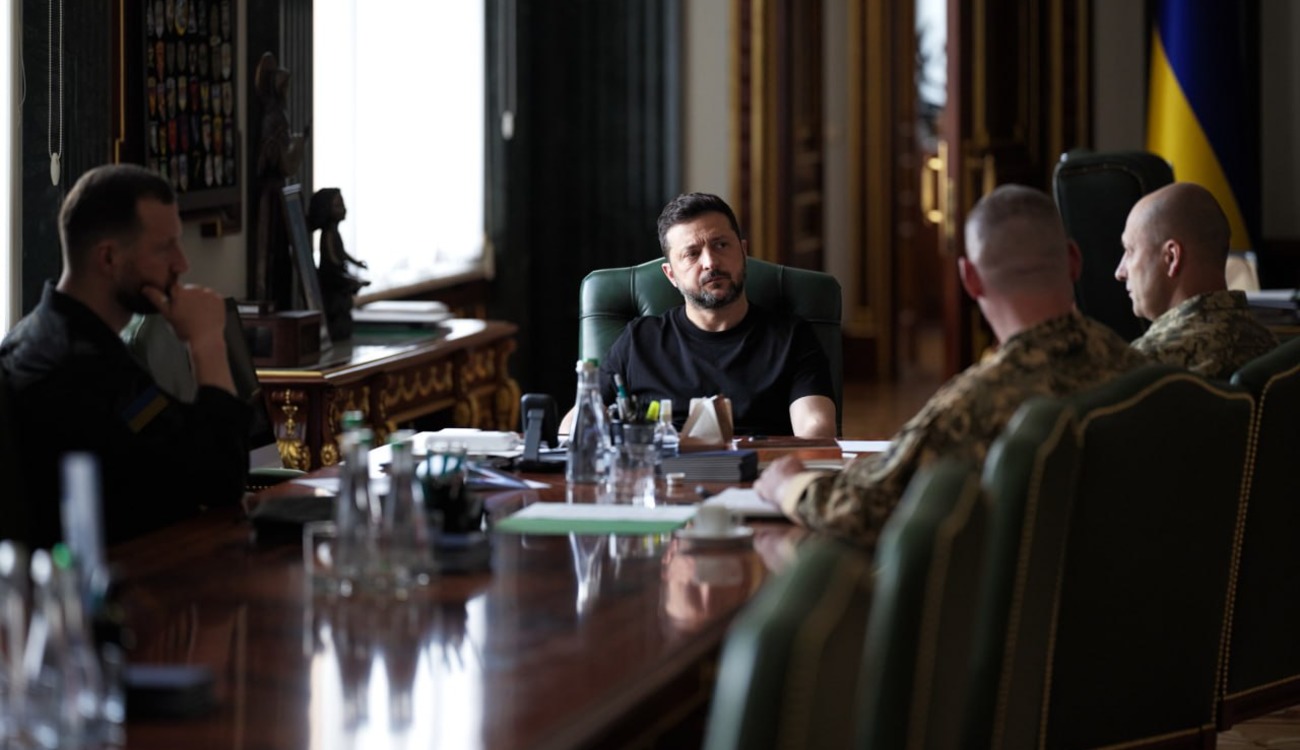
- Zelensky Holds Strategy Session with Corps Commanders: Key Frontline Decisions Announced
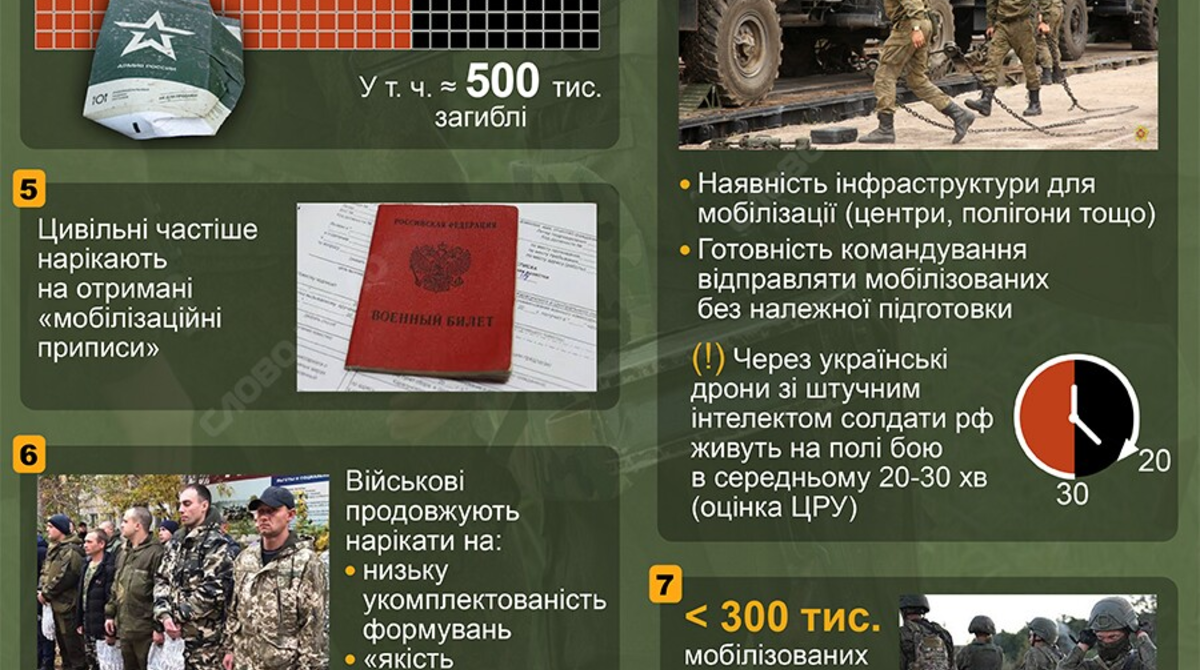
- 9 Signs Russia Is Preparing for a New Mobilization Wave This Fall
- Why Ukraine's Defense Management Reform Is Stalling: The Ministry vs. General Staff Standoff
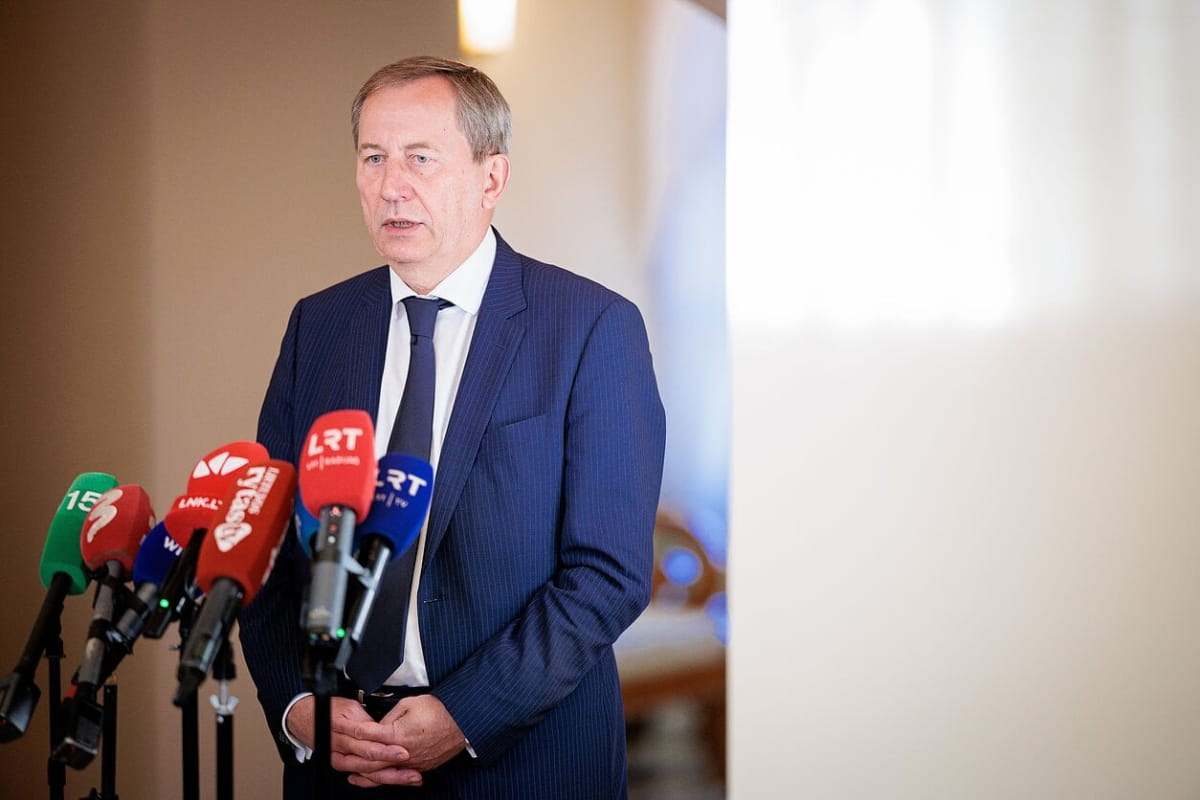
- EU Sanctions Enthusiasm Wanes as Lithuania Urges Stronger Measures Against Russia
- Ireland Pushes Hungary for Ukraine: When Will EU Negotiation Clusters Open?
- Nicaragua Abolishes Elections: Ortega Blocks Opposition from Power