Why Your Start-Stop Battery Lasts Only 2–3 Years and How to Save Fuel.

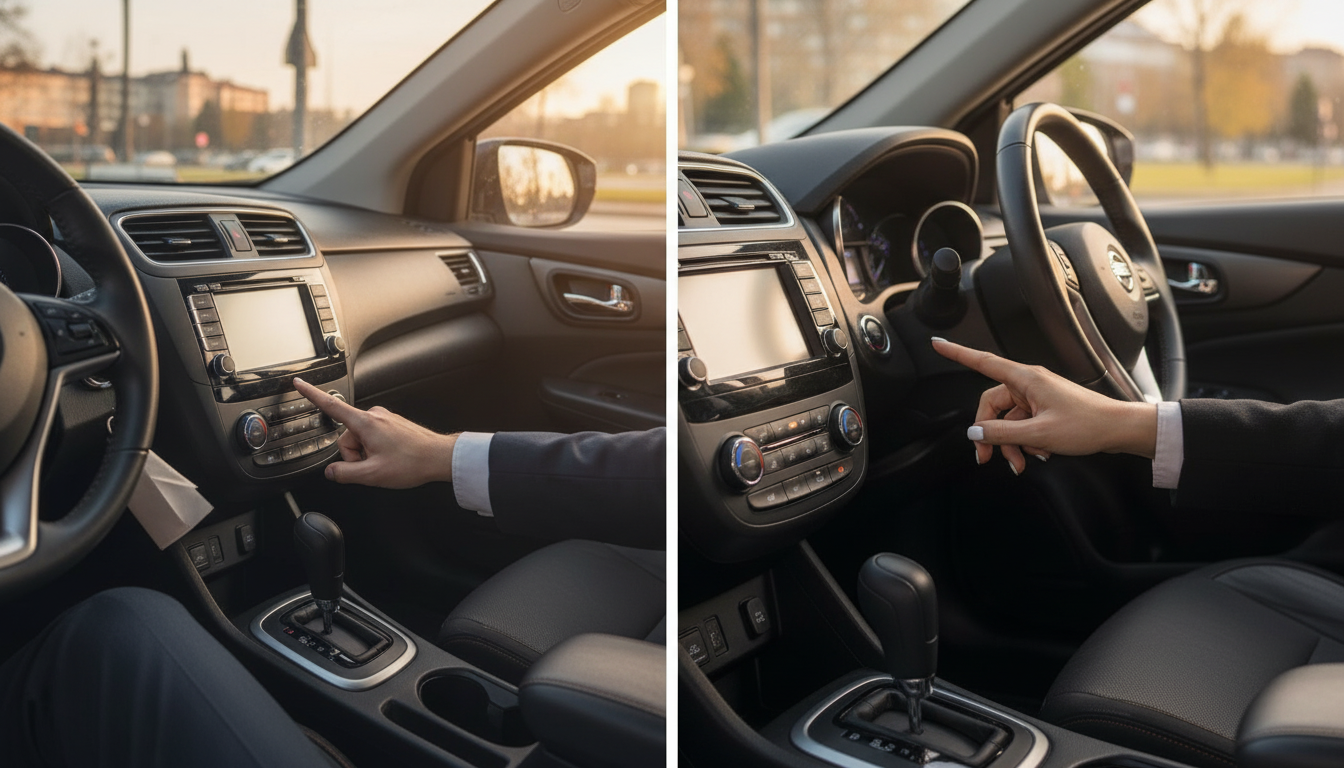
How Start-Stop Systems Work in Cars
According to Novyny.live: Automakers are increasingly equipping vehicles with start-stop technology because it cuts fuel consumption and lowers CO₂ emissions. In city driving, this system can reduce fuel usage by up to 25%. However, despite these environmental benefits, start-stop systems come with drawbacks—especially concerning battery reliability and the strain placed on other vehicle components.
Key Factors Affecting Start-Stop Performance
One major issue is battery lifespan, which typically lasts just 2 to 3 years. To handle the frequent charge and discharge cycles, these systems rely on specialized AGM or EFB batteries. If the battery charge drops too low, the car’s electronics may disable the start-stop feature. This can happen due to several reasons:
- insufficient battery charge level,
- coolant temperature that is too low or critically high,
- active regeneration or cleaning of the DPF or GPF particulate filter,
- outside temperature falling below 2–5 °C.
Another important detail: the system will not shut off the engine if the hood is open, ensuring safety for mechanics. Meanwhile, an idling engine burns between 0.5 and 2 liters of fuel per hour, which highlights why start-stop technology makes sense in the right conditions. So while start-stop systems offer clear advantages in reducing fuel costs and emissions, drivers must understand how they operate and the challenges related to battery and component durability.
Given tightening environmental regulations and the push to lower fuel expenses, start-stop systems are becoming a key feature in modern cars. Yet, to get the most out of them, drivers need to be aware of their limitations and maintenance requirements. Ongoing improvements in battery and electronics technology will likely shape the future popularity and reliability of these systems.
Read also
- A New Augmented Reality Platform Lets You Read and Build 3D Comics
- How Artificial Intelligence Is Unlocking Billions in Real Estate Value
- Ukraine’s Air Defense Gets a Boost: New 'Hot Dog' Drone Takes Down Over 300 Targets
- Windows That Generate Power Even at Night: A New Solar Innovation
- GE Aerospace’s Hybrid-Electric Aircraft Reaches 30,000 Feet in Key Test Flight
- Kyiv Officially Launches 5G: Coverage Areas and Speed Details Revealed