Russia has exceeded its mobilization plan for 2025: the figures for 2026 have been announced.

According to ТСН: Russia continues to seek new human resources for waging war against Ukraine. The aggressor country not only fulfilled but also exceeded the plan for recruitment of servicemen this year, already preparing figures for the next period.
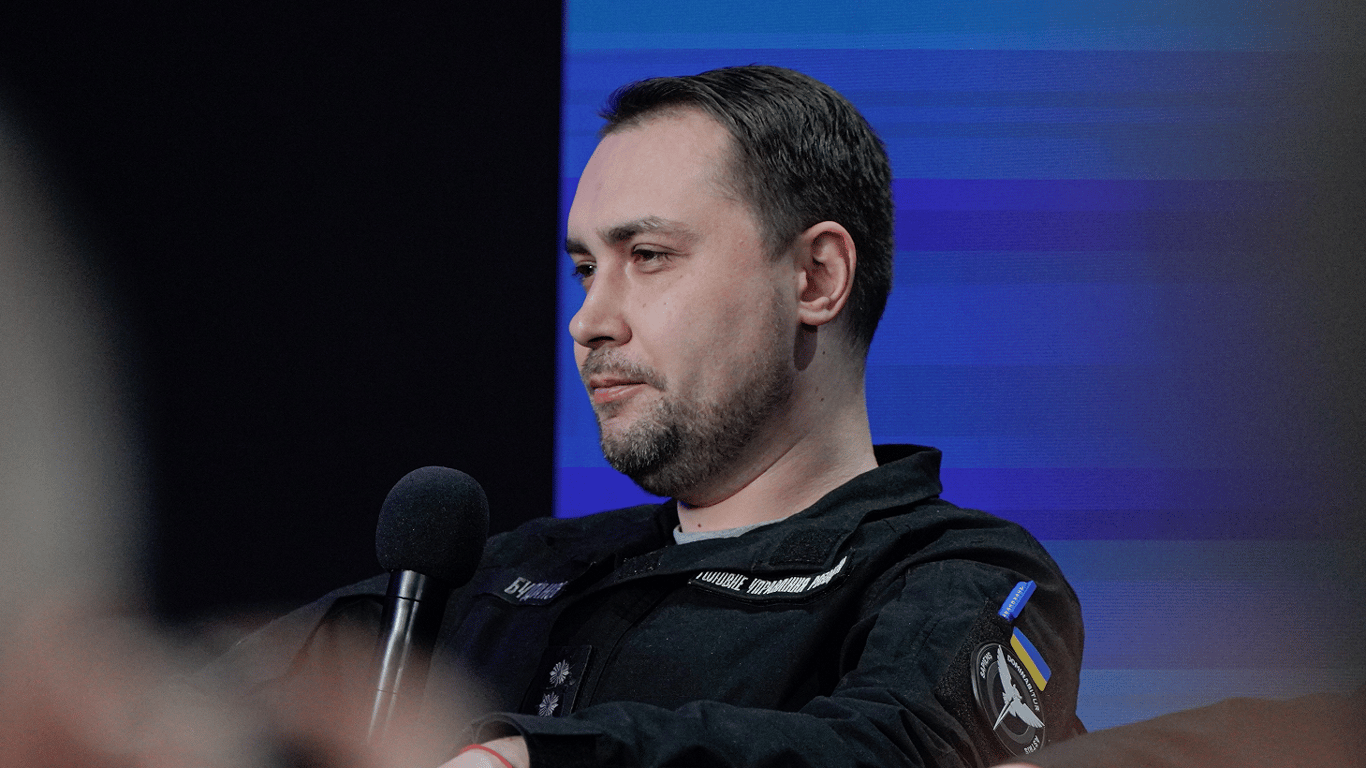
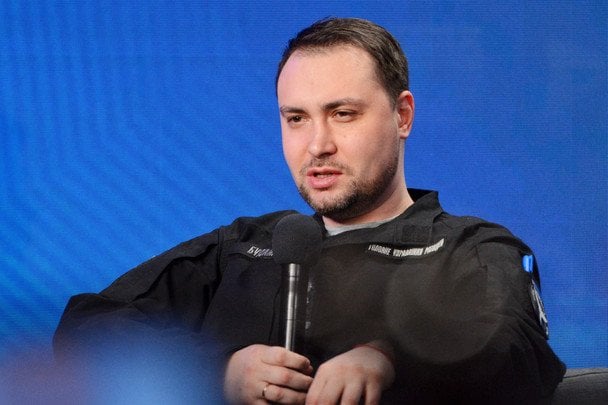
This was stated by the head of the Main Directorate of Intelligence of the Ministry of Defense of Ukraine Kyrylo Budanov in an interview. He emphasized that the Russian mobilization system is operating without interruption. The Kremlin aims to recruit 403,000 people into the ranks of the occupation army during 2025. This figure was achieved as early as the beginning of December.
Budanov also noted that the primary source of manpower for the invaders remains contractors rather than conscripted individuals.
How many are planned to be mobilized in 2026
The Kremlin's plans for the next year are also known. According to the GUR, the mobilization plan for 2026 involves recruiting 409,000 people. This indicates the intentions of the military-political leadership of the Russian Federation to continue active hostilities and attempt to compensate for significant losses at the front with new waves of recruitment.
Despite fulfilling the plans, the conscription process in Russia faces difficulties. In response to journalists' questions about problems in recruitment, the head of the GUR confirmed that they indeed exist.
According to him, the number of those willing to go to war is gradually decreasing, so the Russian authorities are forced to constantly raise the stakes to entice people into the military.
“Of course (they face problems — ed.). Therefore, periodically they increase the level of one-time payments: it fluctuates depending on the region, but these are significant sums. This is how they entice people to the military,” the general explained.
Economic factors remain key in forming military units, turning the war into a means of income for many Russians.
According to British intelligence data, Russia almost does not involve residents of large cities in the war, focusing its main recruitment efforts in poor and remote regions. Most of the losses concern ethnic minorities and rural residents, while ethnic Russians from cities remain more protected.
The research also notes that less than 1% of officials have relatives at the front, confirming the limited involvement of urban elites. The Kremlin uses financial incentives for recruitment in poor regions and tries to maintain support for the war among the urban population and political elite.
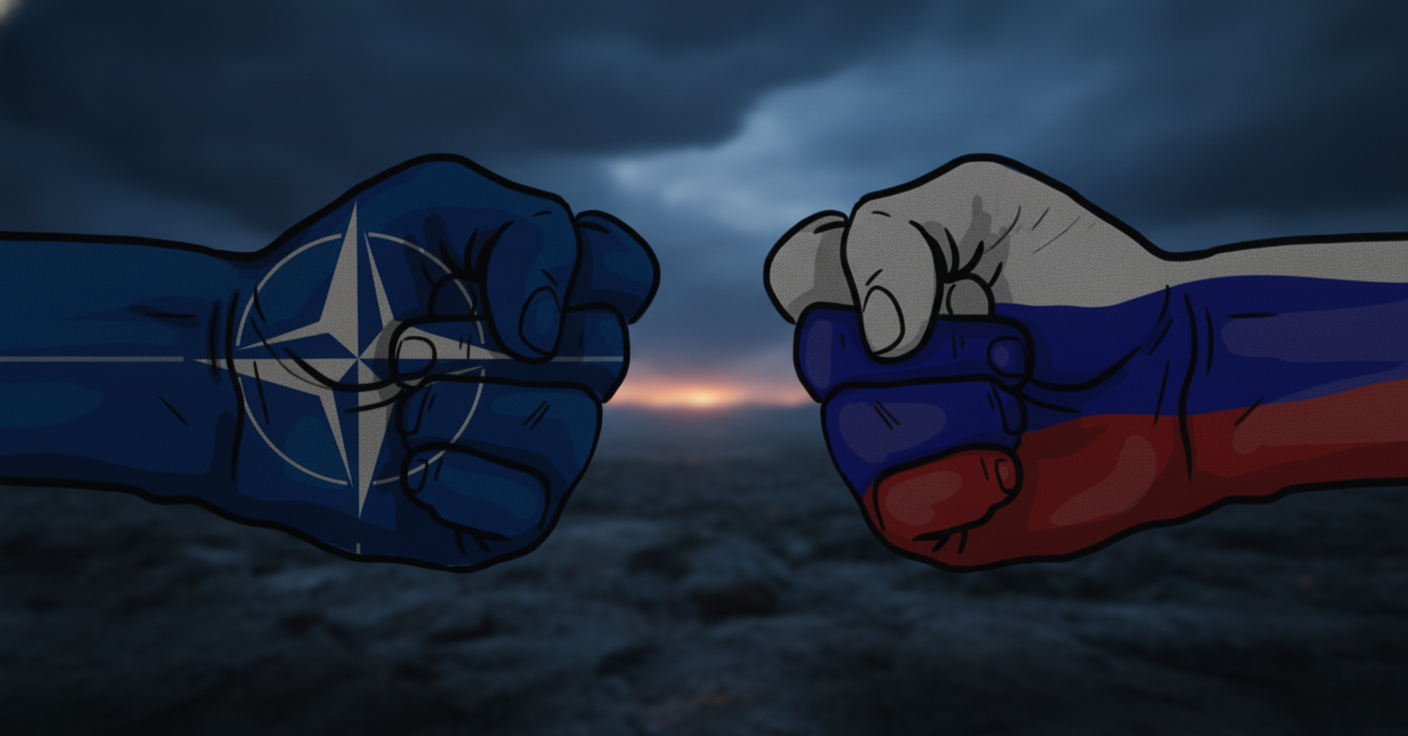
Thus, the Kremlin's plans for 2025 and 2026 indicate a continuation of aggressive policies in Ukraine, focusing on attracting new resources and maintaining support for military actions. These complex processes, considering the decrease in willing participants, will further influence the situation at the front and in society.
Read also
- Budanov Appointed to Lead New Council for Veterans and Prisoner Rights
- Budanov Calls Kakhovka Dam Destruction an Act of Ecocide That Demands Accountability
- Kyrylo Budanov to Lead New Presidential Advisory Council: Its Mission Explained
- On Journalist Day, Ukraine’s Commander-in-Chief Syrskyi Hails Media’s Critical Role in War Coverage
- Budanov Transforms the Presidential Office into a Governance Engine: What’s Set to Change
- Poland Visit by Budanov: Security Talks and UPA Heroes Honor for Special Forces