Slovakia officially halts military aid to Ukraine: what the leaders said.

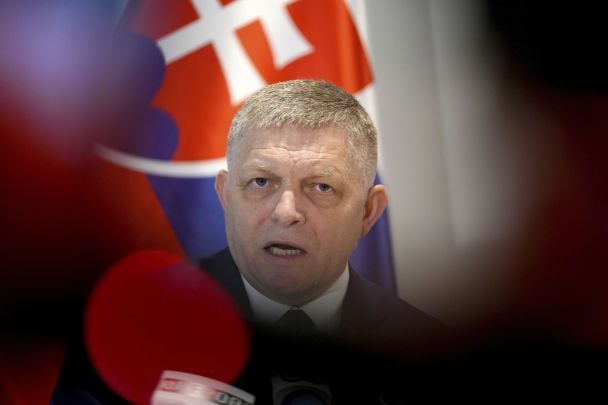
According to ТСН: Slovakia has decided to no longer provide military aid to Ukraine. President Peter Pellegrini, Prime Minister Robert Fico, and National Council Chairman Richard Rasi confirmed their 'unity on key issues'.
This information was announced during a lunch to mark the 33rd anniversary of the country’s independence.
Fico, Pellegrini, and Rasi unanimously refused to transfer military support to Ukraine. Thus, Slovakia will not send weapons or soldiers and will also not participate in the guarantees of a major loan from the EU.
The leaders noted that 'the sovereignty of Slovakia, rather than external conflicts', is a priority.
'Slovakia will not run around like a wounded deer in the EU crisis', Fico stated.
Moreover, they called on the coalition and the opposition for unity to protect the country's interests in Europe and the world.
Criticism of Interventions
In addition to refusing assistance to Ukraine, the leaders of Slovakia also expressed a joint condemnation of the actions of the USA in Venezuela, viewing it as a violation of international law.
Previously, there were discussions in Slovakia about a possible change in the format of participation in supporting Ukraine. The leaders emphasized the necessity of maintaining the sovereign course of the state in the European Union.
At the same time, they highlighted that the EU remains an important space for Slovakia, which the country seeks to continue being a part of.
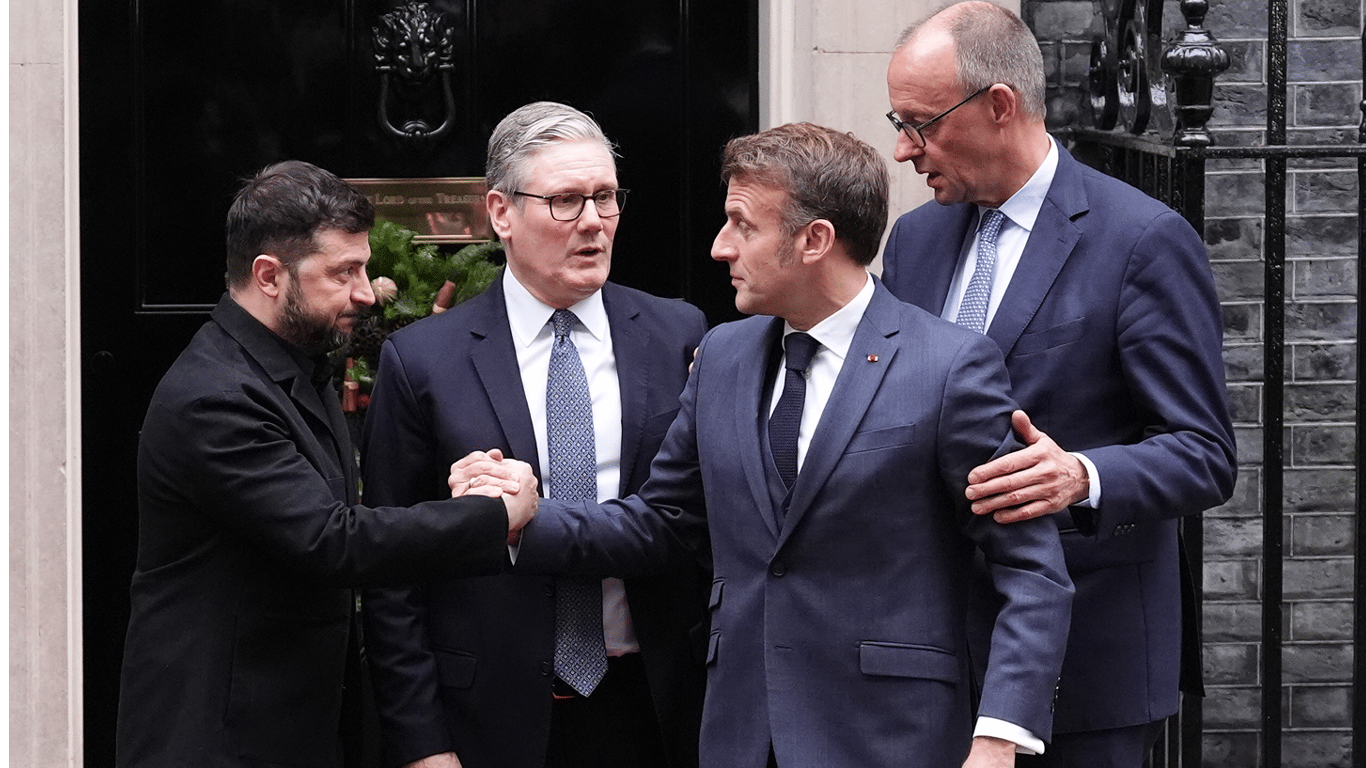
Meanwhile, Britain and France have initiated the placement of a peacekeeping contingent in Ukraine following the conclusion of a peace agreement. Poland and Germany also expressed support and openness to proposals but stated that they would not send troops to Ukraine.
This step by Slovakia signifies a shift in focus from military aid to the internal affairs of the country and its national interests. On an international scale, such a position may affect the overall EU strategy regarding support for Ukraine. At the same time, the initiatives of Britain and France indicate the continuation of international efforts to resolve the situation in Ukraine despite changes in the political moods of some countries.
Read also
- Slovakia's Mixed Signals: Fico Calls for Talks with Moscow After Constanta Blast
- EU's €90 Billion Loan for Ukraine Faces Hurdles: Brussels Weighs In
- Szijjártó Admits Secret Calls to Lavrov, Declares EU Sanctions a Failure
- Hungary Presses EU to Drop Sanctions on Russian Oligarchs as Szijjártó Engages Lavrov
- Five EU Nations Accused of Undermining Rule of Law by Rights Watchdogs
- Slovak PM Fico Threatens to Veto EU’s 20th Sanctions Package Against Russia