Why the Kremlin Failed to Support a Key Ally After Ali Khamenei's Death.

The Death of Ali Khamenei and the Kremlin's Response
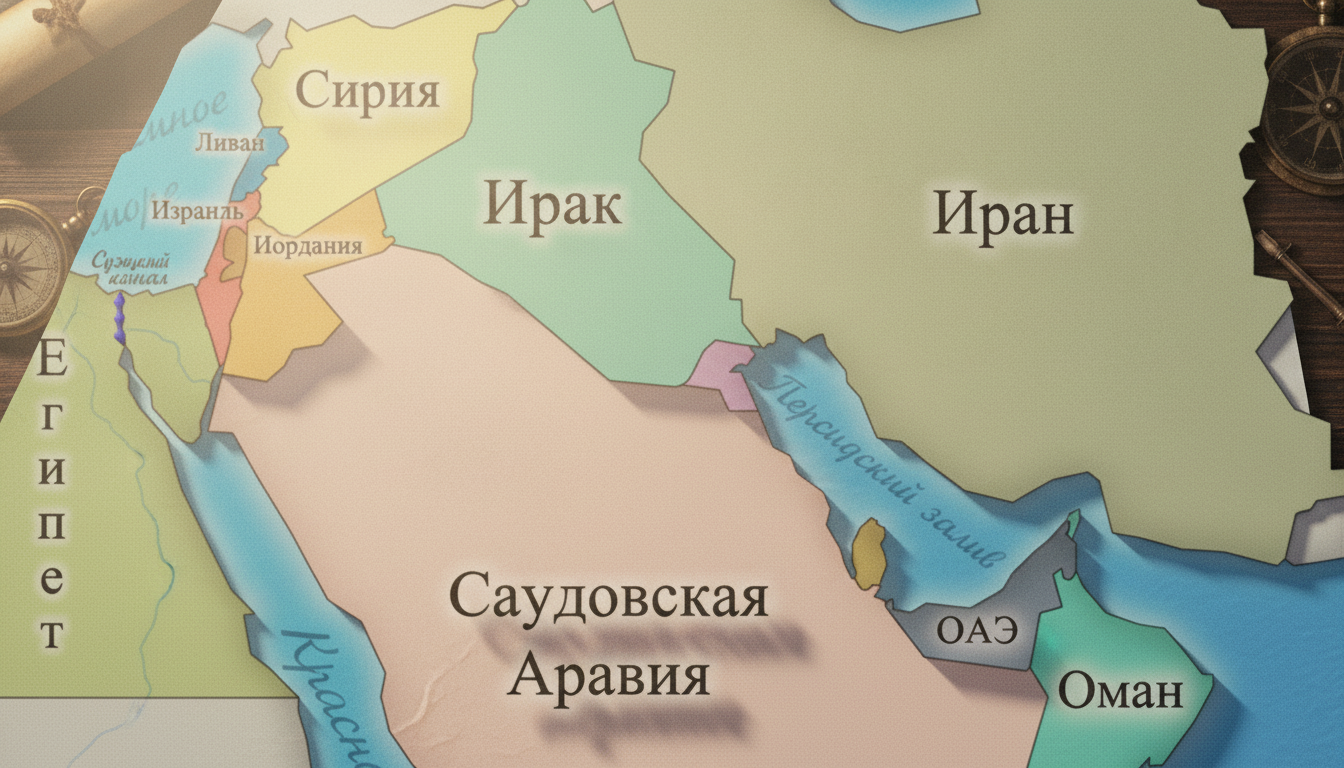
According to UATV: Nine months ago, the death of Iran's Supreme Leader, Ali Khamenei, prompted a reaction from the Kremlin, yet Russia took no concrete steps to support its ally. This incident highlights the weakening ties between these partners and reveals the Kremlin's inability to back its allies during a crisis. The relationship is a crucial part of Russia's strategy to project influence in the Middle East and counter Western power.
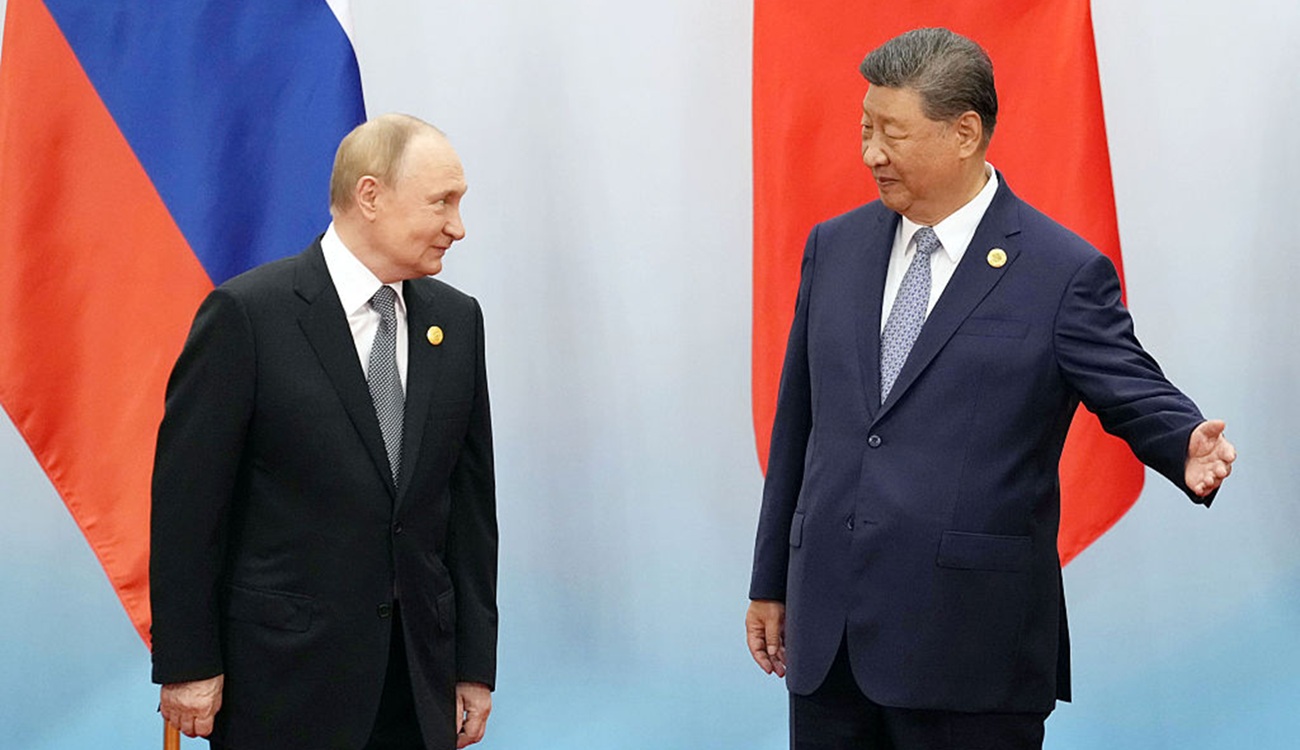
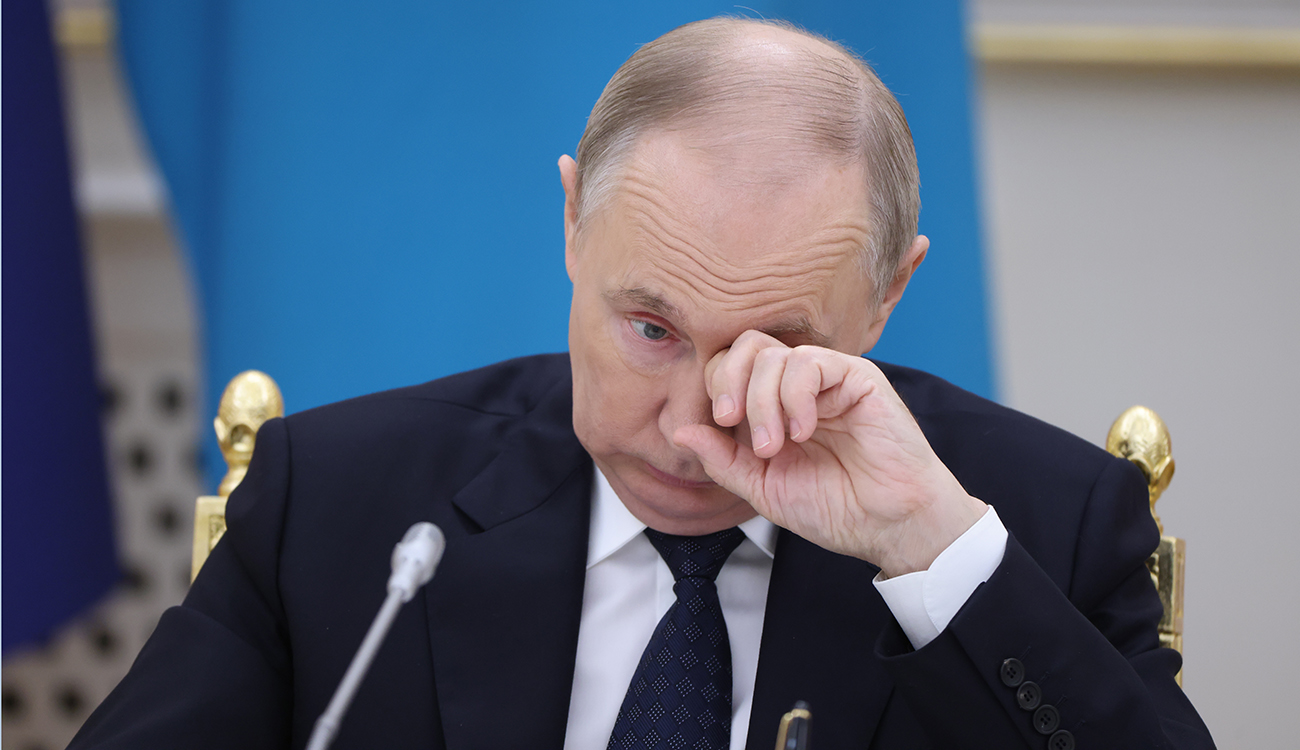
Following Khamenei's death, Vladimir Putin condemned it as a 'cynical murder' and a 'gross violation of international law.' He had previously expressed reluctance to discuss the potential elimination of Khamenei, but the event forced a shift in his position. Despite a signed strategic cooperation treaty between Iran and Russia, this agreement did not translate into active Kremlin support for Tehran in the aftermath.
Weakness in Russian Leadership
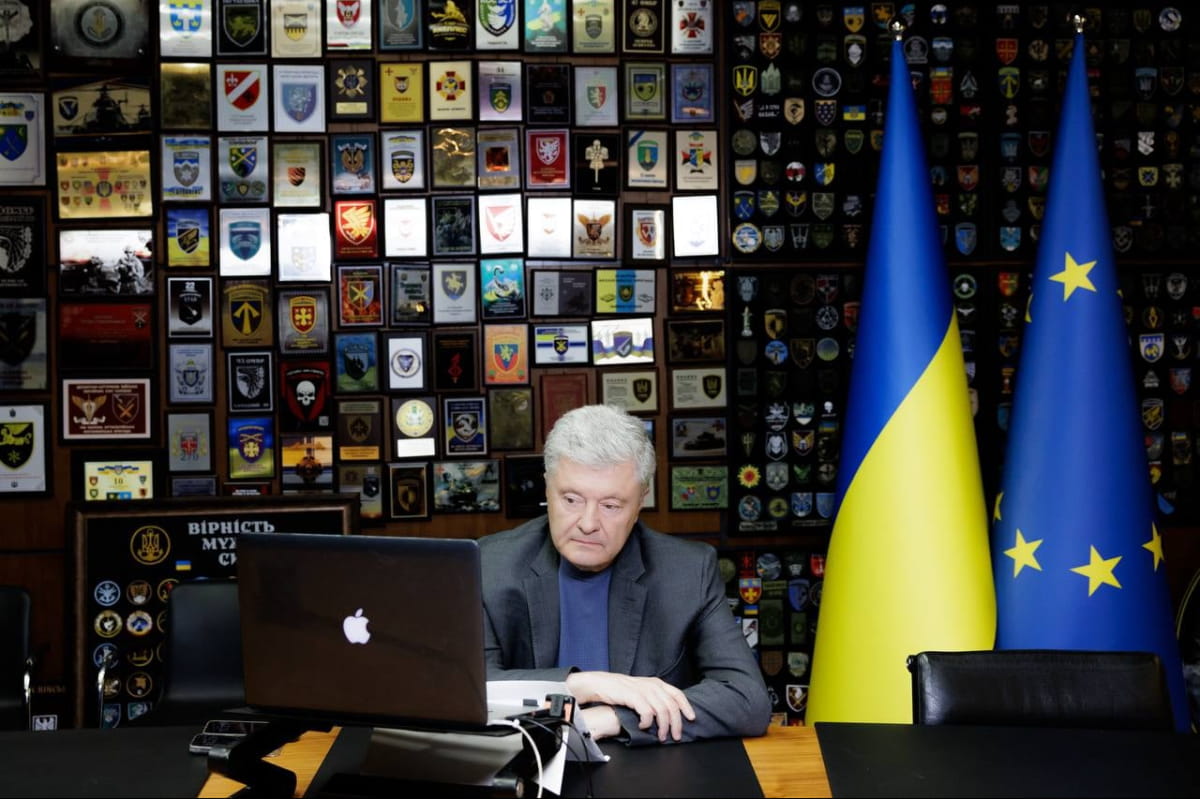
Analysts note that the situation exposes a fundamental weakness in Russian leadership. Oleg Lisny remarked that
"Putin appears weak; he seems frightened and inconsistent."Sam Greene also emphasized that
"Putin has no intention of risking his own life, the stability of the state regime, or his vision for Russia's national security."These comments suggest the Kremlin is unprepared for decisive action, even as it loses diplomatic allies.
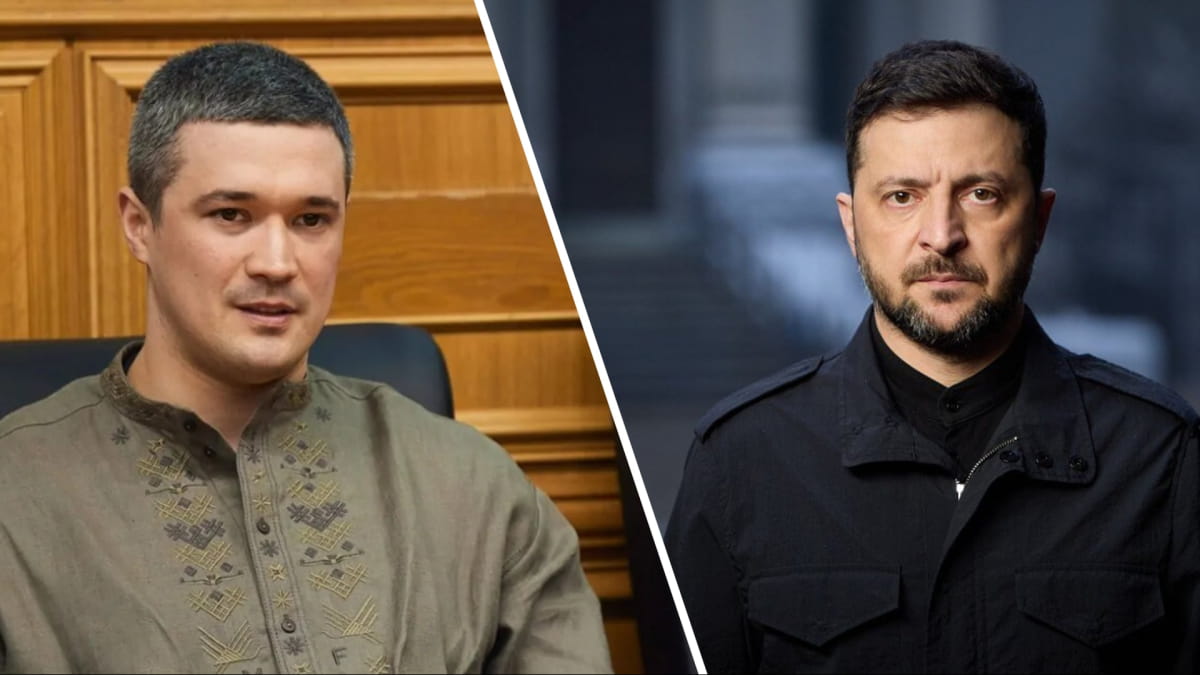
Against this backdrop, Andriy Sybiha pointed out that 'Putin has lost three of his closest friends in just over a year,' citing the examples of Assad, Maduro, and Khamenei. This indicates the Russian leader is facing significant foreign policy challenges that could impact the stability of his regime.
Mykhailo Podolyak added that 'a prolonged war in the Middle East is exactly what the Russian Federation needs,' underscoring the Kremlin's interest in sustained regional conflict. However, despite these strategic interests, the lack of tangible action to support Iran after Khamenei's death signals a deterioration in the alliance.
Thus, the Iran situation casts doubt on Russia's capacity to support its partners in difficult times. The death of Ali Khamenei and the Kremlin's tepid response underscore the complexities facing Russian leadership in international politics. The loss of influential allies like Khamenei, Assad, and Maduro suggests Russia may lack the resources or strategic resolve for active intervention on behalf of its partners. This could lead to a further erosion of its position on the global stage, particularly in the Middle East, where stability and allied support are critical for achieving its strategic goals.
Read also
- Putin’s Economic Claims Exposed as Manipulation by Ukraine’s Disinformation Center
- Putin Abandons Plans to Return Occupied Lands to Ukraine: What We Know About the So-Called 'Buffer Zones'
- Russia Planning a New Fall Mobilization: When Recruits Could Reach the Front Lines
- Feigin Reveals Putin's Litmus Test: When Mobilization Plans Will Become Clear
- Putin Now Acknowledges Ukraine's Strength, Says Former Polish Defense Minister, Marking a Turning Point in the War
- Feigin Reveals Who Arranged Melnychenko's Interview and Why Russian Oligarchs Are Fleeing